admin
admin
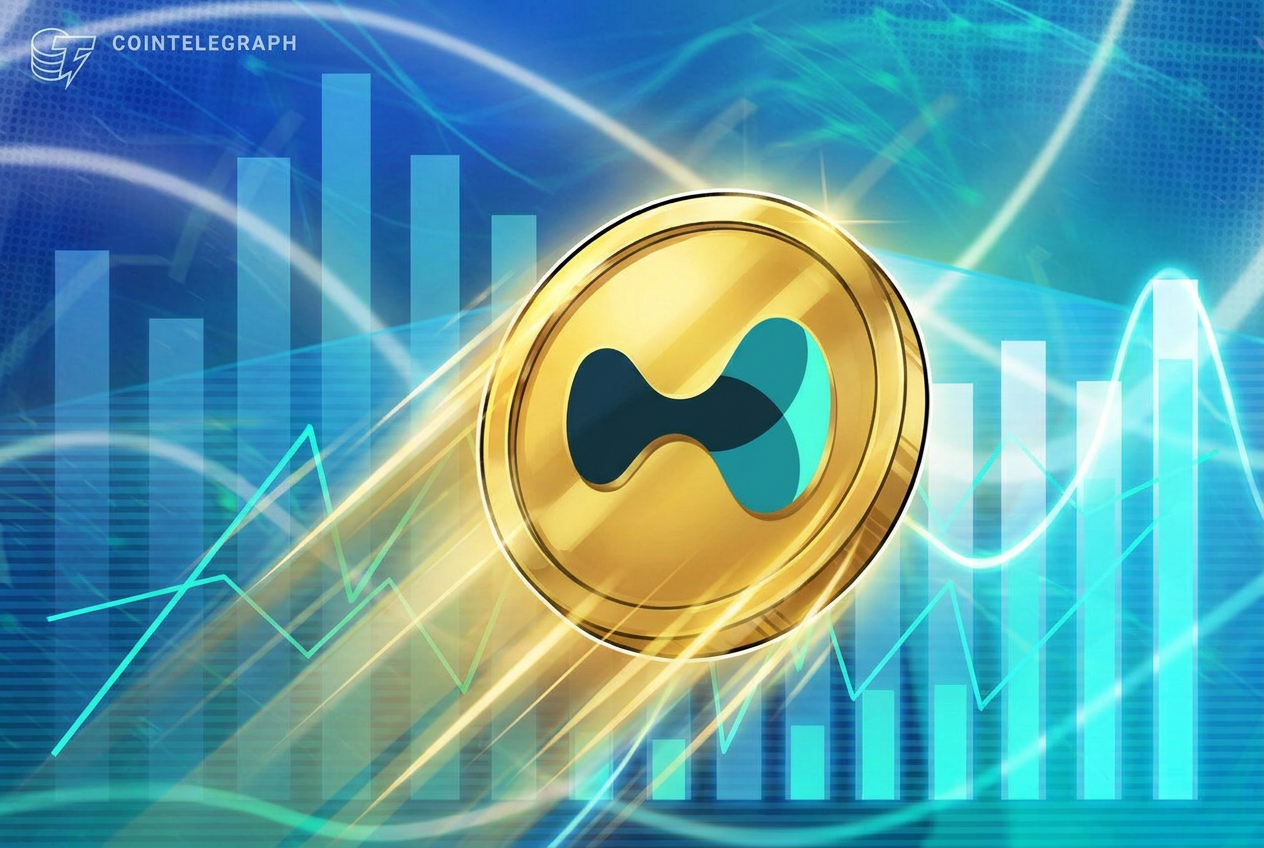
HYPE, the native cryptocurrency powering Hyperliquid, a burgeoning Layer-1 blockchain and decentralized perpetuals trading platform, ascended to a fresh all-time high of $90.92 on Friday. This significant price milestone closely followed the protocol’s announcement of a new manual borrowing feature, fundamentally expanding the utility and accessibility within its ecosystem. The introduction allows users to leverage their HYPE and Bitcoin holdings as collateral to borrow leading stablecoins, USDC and Tether’s USDt (USDT), thereby integrating a crucial decentralized finance (DeFi) lending mechanism directly into Hyperliquid’s trading infrastructure.
The Strategic Rollout of Manual Borrowing
The immediate surge in HYPE’s valuation underscores market enthusiasm for Hyperliquid’s latest innovation. The protocol officially confirmed the launch, stating, "Manual borrows are live on Hyperliquid," and emphasized that this new functionality leverages the same robust HyperCore infrastructure that underpins its sophisticated portfolio-margin system. This architectural choice is critical, as Hyperliquid co-founder Jeff Yan highlighted, ensuring that "every borrowed asset comes from a supplier rather than being created through platform-level margin accounting." This design principle reinforces the decentralized and transparent nature of the borrowing mechanism, aligning with core DeFi tenets by preventing the creation of unbacked liabilities and ensuring that lending is always backed by real assets provided by other users.
This new feature represents a significant evolution beyond Hyperliquid’s existing portfolio margin system, which previously allowed for borrowing stablecoins implicitly within the context of leveraged trading. Manual borrowing, however, provides direct, explicit access to USDC and USDT against HYPE or Bitcoin collateral, offering greater flexibility for users who may wish to utilize borrowed funds for purposes beyond immediate trading positions on Hyperliquid. This could include deploying stablecoins to other DeFi protocols, arbitraging opportunities, or simply managing liquidity more effectively. The underlying infrastructure, even prior to the explicit manual borrowing feature, demonstrated considerable activity, with Hyperliquid reporting $269 million in assets borrowed across its system on Friday, indicating a robust demand for leveraged positions and capital efficiency.
HYPE’s Market Performance and Ecosystem Context
The ascent of HYPE to its new all-time high is not an isolated event but rather a reflection of Hyperliquid’s growing prominence within the highly competitive decentralized exchange (DEX) and Layer-1 blockchain landscape. Prior to this latest development, HYPE had already exhibited strong upward momentum, driven by increasing user adoption, substantial trading volumes on the platform, and a growing recognition of its underlying technology.
HYPE serves multiple critical functions within the Hyperliquid ecosystem. As the native token of a Layer-1 blockchain, it is intrinsically linked to the network’s security and operational integrity. It is often used for transaction fees, staking, and potentially future governance mechanisms, aligning the incentives of token holders with the long-term success of the platform. The ability to now use HYPE as collateral for borrowing stablecoins significantly enhances its utility, moving it beyond a mere speculative asset or fee token to a more integral financial instrument within the platform. This increased utility can naturally lead to higher demand, as users acquire HYPE not just for direct network participation but also to unlock borrowing capabilities, thereby boosting its perceived value and market capitalization.
Hyperliquid distinguishes itself as a Layer-1 optimized specifically for decentralized perpetual futures trading. This specialization allows it to offer high throughput, low latency, and a capital-efficient trading environment that rivals centralized exchanges. Its unique architecture, built on a custom-designed blockchain, enables features like portfolio margin and now manual borrowing, which are typically found only in more mature, centralized trading venues. The platform’s commitment to delivering a seamless, high-performance trading experience has attracted a dedicated user base, contributing to its rapid growth and the appreciation of its native token.
A Broader Timeline of Strategic Developments
The launch of manual borrowing and HYPE’s subsequent price surge are contextualized by a series of strategic announcements and developments that underscore Hyperliquid’s ambitious trajectory. Just two days prior to the borrowing feature rollout, on Wednesday, Payward, the parent company behind the prominent cryptocurrency exchange Kraken, made a significant announcement. Payward revealed its plans to deploy on-chain perpetual futures markets for its U.S. clients, commencing with Hyperliquid’s HIP-3 markets.
This partnership with Kraken is a monumental validation for Hyperliquid. Kraken is one of the oldest and most respected cryptocurrency exchanges globally, known for its strong regulatory compliance and institutional-grade services. Its decision to leverage Hyperliquid’s infrastructure for its on-chain perpetual futures marks a pivotal moment, signaling a growing acceptance and integration of decentralized finance solutions by traditional crypto institutions. For Hyperliquid, this collaboration means a potential influx of institutional liquidity, heightened visibility, and a significant boost to its credibility within the broader financial ecosystem. It positions Hyperliquid as a go-to infrastructure provider for sophisticated on-chain derivatives, potentially setting a new standard for how such markets can operate in a regulated yet decentralized manner.
The timing of these announcements—Kraken’s partnership followed swiftly by the manual borrowing feature—suggests a coordinated strategic effort by Hyperliquid to expand its offerings and solidify its market position. The ability to borrow stablecoins against HYPE and Bitcoin collateral directly enhances the capital efficiency for traders and liquidity providers on the platform, making it even more attractive, especially in anticipation of increased activity from Kraken’s integration. Traders looking to engage with the upcoming Kraken-powered perpetuals on Hyperliquid would benefit immensely from readily available borrowing options, allowing them to manage their positions and capital without needing to exit the Hyperliquid ecosystem.
Implications for Decentralized Finance and Derivatives
The developments on Hyperliquid carry significant implications for the broader decentralized finance landscape, particularly in the realms of lending and derivatives.
- Enhanced Capital Efficiency: By allowing users to borrow stablecoins against HYPE and Bitcoin, Hyperliquid is significantly boosting capital efficiency within its ecosystem. Traders can now unlock liquidity from their existing holdings without selling them, enabling them to pursue new opportunities, manage margin calls, or simply diversify their portfolio within the DeFi space. This reduces friction and costs associated with moving assets between different protocols or converting them to stablecoins.
- Increased Utility for HYPE: The direct utility of HYPE as collateral transforms it into a more robust financial asset. This can lead to deeper liquidity pools for HYPE, reduced price volatility (as more HYPE is locked as collateral), and a stronger incentive for users to hold and accumulate the token. It positions HYPE as a foundational asset within a sophisticated DeFi ecosystem.
- Competitive Edge in Decentralized Derivatives: Hyperliquid’s focus on high-performance, Layer-1 decentralized perpetuals, combined with advanced features like portfolio margin and now manual borrowing, places it at the forefront of the decentralized derivatives market. It offers a compelling alternative to centralized exchanges by combining the transparency and censorship resistance of DeFi with the speed and functionality demanded by professional traders. The Kraken partnership further solidifies this competitive advantage by bridging institutional demand with decentralized infrastructure.
- DeFi Lending Innovation: While borrowing and lending are fundamental to DeFi, Hyperliquid’s integration directly within a Layer-1 trading platform, using a bespoke infrastructure like HyperCore, represents an interesting evolution. It blurs the lines between trading and lending protocols, offering a more unified financial experience. The "supplier-backed" model, as described by Jeff Yan, is crucial for maintaining the integrity and decentralization of the lending market.
- Potential for Broader Adoption: The collaboration with Kraken could serve as a blueprint for how traditional crypto businesses can integrate with and leverage cutting-edge DeFi protocols. This institutional validation can help de-risk DeFi in the eyes of a wider audience, potentially accelerating mainstream adoption and bringing more capital into the decentralized ecosystem.
- Regulatory Considerations: The involvement of a regulated entity like Kraken (through Payward) in deploying on-chain perpetual futures raises interesting questions about the future of DeFi regulation. It suggests a pathway where decentralized protocols can operate in conjunction with regulated entities, potentially creating hybrid models that offer the best of both worlds: decentralization with a layer of regulatory oversight where appropriate. This could pave the way for more sophisticated financial products to be offered on-chain to a broader user base, including those in jurisdictions like the U.S.
Market Sentiment and Expert Perspectives
The general sentiment surrounding Hyperliquid’s recent announcements is overwhelmingly positive within the crypto community. Analysts and traders view the manual borrowing feature as a logical and necessary expansion of the platform’s utility, directly addressing user needs for capital flexibility. The ability to leverage HYPE itself as collateral is seen as a strong vote of confidence in the token’s long-term value proposition and a mechanism to deepen its market integration.
Experts anticipate that the combined effect of increased HYPE utility and the Kraken partnership will significantly boost Hyperliquid’s Total Value Locked (TVL) and trading volumes. A higher TVL, reflecting more assets locked in the protocol (including collateral for borrowing), signals greater liquidity and trust in the platform’s security and operational stability. Increased trading volumes, driven by both existing users and new participants from Kraken’s client base, will further cement Hyperliquid’s position as a leading decentralized derivatives platform.
Some market observers suggest that Hyperliquid is strategically positioning itself as a foundational layer for sophisticated on-chain financial services. By offering a high-performance Layer-1, advanced trading features, and now integrated lending capabilities, it is building a comprehensive ecosystem that could attract a diverse range of users, from retail traders to institutional players. The focus on decentralization while maintaining performance is a key differentiator that resonates strongly with the core ethos of the crypto space.
Looking Ahead: Challenges and Opportunities
While the recent developments paint a bright future for Hyperliquid, the path forward is not without potential challenges. The decentralized finance space remains highly competitive, with numerous protocols vying for market share. Hyperliquid will need to continue innovating, enhancing its security, and maintaining its high-performance standards to stay ahead. Scalability will be a continuous concern as user adoption grows, and the HyperCore infrastructure will be tested under increasing loads.
Furthermore, the evolving regulatory landscape for cryptocurrencies and DeFi presents both opportunities and risks. While the Kraken partnership could offer a pathway for regulated growth, Hyperliquid will need to remain agile in adapting to new legal and compliance frameworks across different jurisdictions.
Despite these challenges, Hyperliquid appears well-positioned for continued expansion. The enhanced utility of HYPE, coupled with strategic partnerships like that with Payward/Kraken, indicates a mature and forward-thinking approach to building a robust, decentralized financial ecosystem. The integration of manual borrowing is more than just a new feature; it is a testament to Hyperliquid’s commitment to providing comprehensive and capital-efficient solutions, further solidifying its role as a significant player in the future of decentralized finance. As the platform continues to onboard users and expand its offerings, HYPE’s journey to new heights may just be beginning, driven by tangible utility and strategic growth.