admin
admin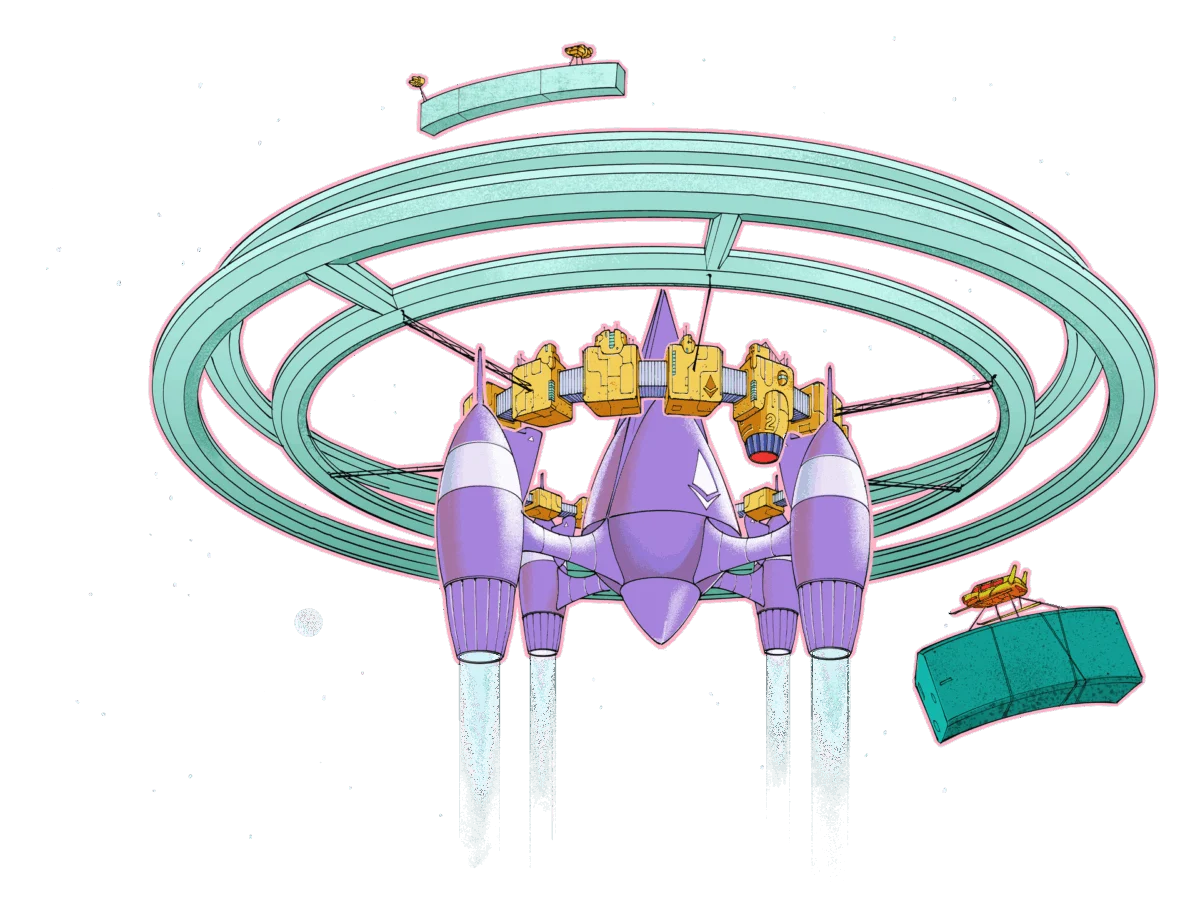
Ethereum, the world’s second-largest blockchain by market capitalization, is approaching a watershed moment in its history as it prepares for "The Merge." This event represents a fundamental shift in the network’s underlying architecture, moving from the energy-intensive Proof-of-Work (PoW) consensus mechanism to a more sustainable Proof-of-Stake (PoS) model. With hundreds of billions of dollars in assets, decentralized applications (dApps), and non-fungible tokens (NFTs) relying on its continuous operation, the stakes could not be higher. Industry experts frequently compare this transition to "changing the engine of a commercial airplane while it is mid-flight," emphasizing that the network must maintain 100% uptime and block validity throughout the process. However, as the mid-year deadline approaches, a significant technical hurdle has emerged: the lack of client diversity within the consensus layer, a vulnerability that some developers warn could lead to a "game over" scenario for the network.

The Technical Evolution: From Mining to Staking
To understand the current risks, one must first understand the structural changes being implemented. Since its inception in 2015, Ethereum has relied on miners to secure the network, similar to Bitcoin. In December 2020, the Ethereum Foundation launched the Beacon Chain, a parallel PoS network that has been running in a "test" capacity, allowing users to stake their ETH without yet processing mainnet transactions. The Merge is the formal joining of these two layers.
Post-merge, the network will bifurcate node responsibilities into two distinct layers: the Execution Layer and the Consensus Layer. The Execution Layer, managed by the Ethereum Virtual Machine (EVM), will handle the execution of smart contracts and transaction data. This is essentially the Ethereum we know today, but without the mining component. The Consensus Layer (the Beacon Chain) will take over the role of validating these transactions and achieving agreement across the network.
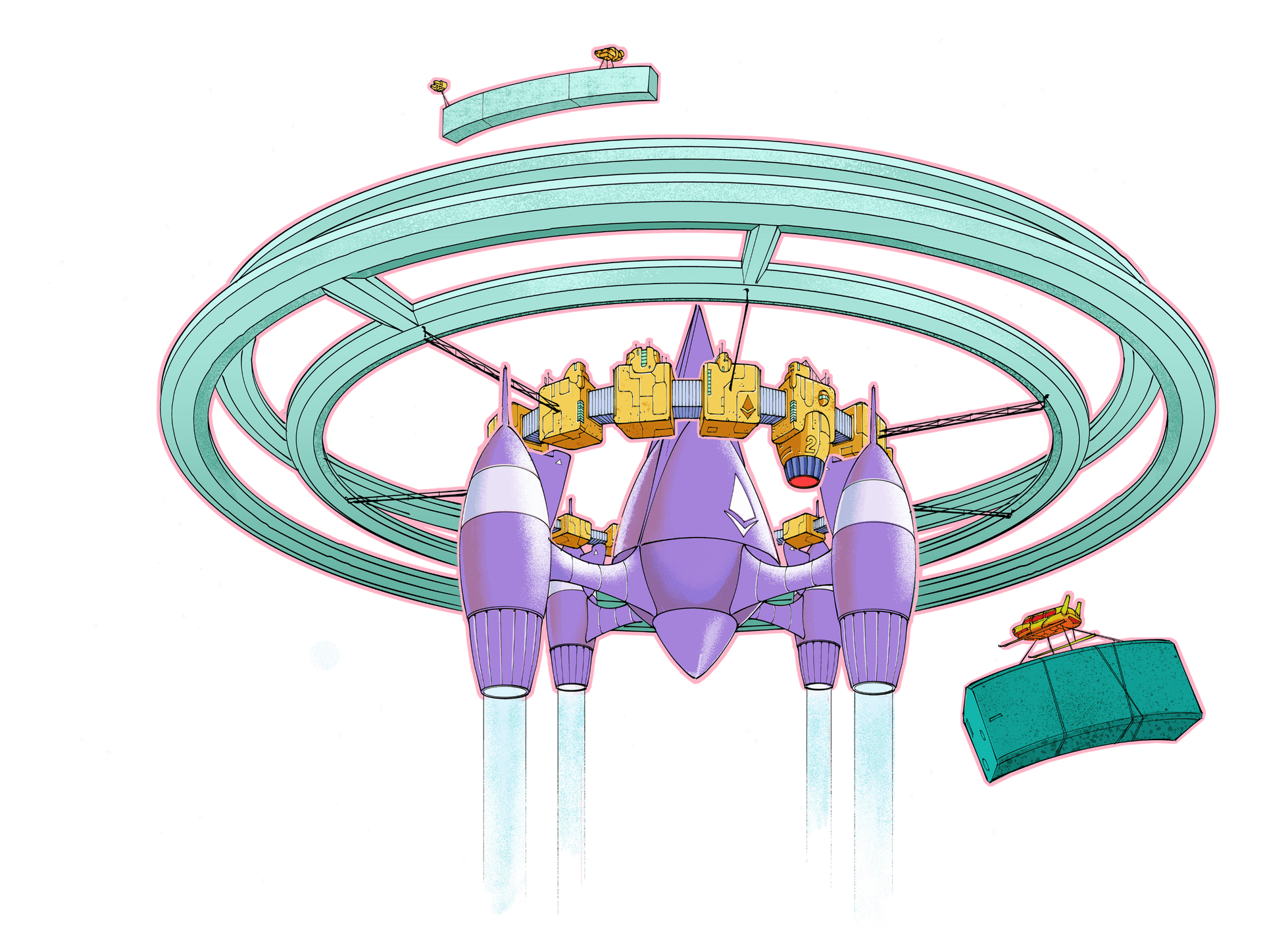
Unlike many other blockchain projects that rely on a single software implementation, the Ethereum community has long championed a multi-client philosophy. By developing multiple versions of client software in different programming languages—such as Go, Java, Rust, and Nim—the network aims to ensure that a bug in one specific piece of software does not bring down the entire ecosystem.
The Mathematics of Consensus and the Danger of Supermajorities
The resilience of a decentralized network depends on the distribution of power among these different software clients. The Ethereum protocol is designed with specific mathematical thresholds that determine how it reacts to software failures. If the distribution is balanced, the network can survive significant glitches. However, if one client gains too much market share, it creates a "single point of failure" that undermines the very purpose of decentralization.
The risks are categorized by the percentage of the network’s total staked ETH controlled by a single client:
- Below 33%: This is the ideal state. If a client with less than one-third of the stake experiences a critical bug, the network continues to function normally. The faulty nodes are simply ignored by the rest of the network until they are patched.
- Between 33% and 50%: If a bug hits a client in this range, the network loses its ability to "finalize" blocks. While transactions may still process, they lack the permanent guarantee of finality until the issue is resolved.
- Above 50%: A bug in a majority client can lead to a split in the network, where the majority follows a "corrupted" or "buggy" chain while the minority stays on the correct one.
- Above 66% (The Supermajority): This is the most dangerous scenario. If a client controls more than two-thirds of the network, a bug in that software can cause the network to finalize a corrupted chain. In this instance, the "buggy" chain becomes the official state of the network. For the minority clients to fix this, they would have to manually intervene, likely resulting in a permanent and messy chain split, essentially creating two versions of Ethereum.
The Current Landscape: Prysm’s Dominance
As of the current assessment, the Ethereum network faces a critical concentration of power. The Prysm client, developed by Prysmatic Labs and written in the Go programming language, currently commands nearly two-thirds of the consensus layer market share. While Prysm is widely regarded as a high-quality, stable piece of software, its dominance is a source of anxiety for core developers.
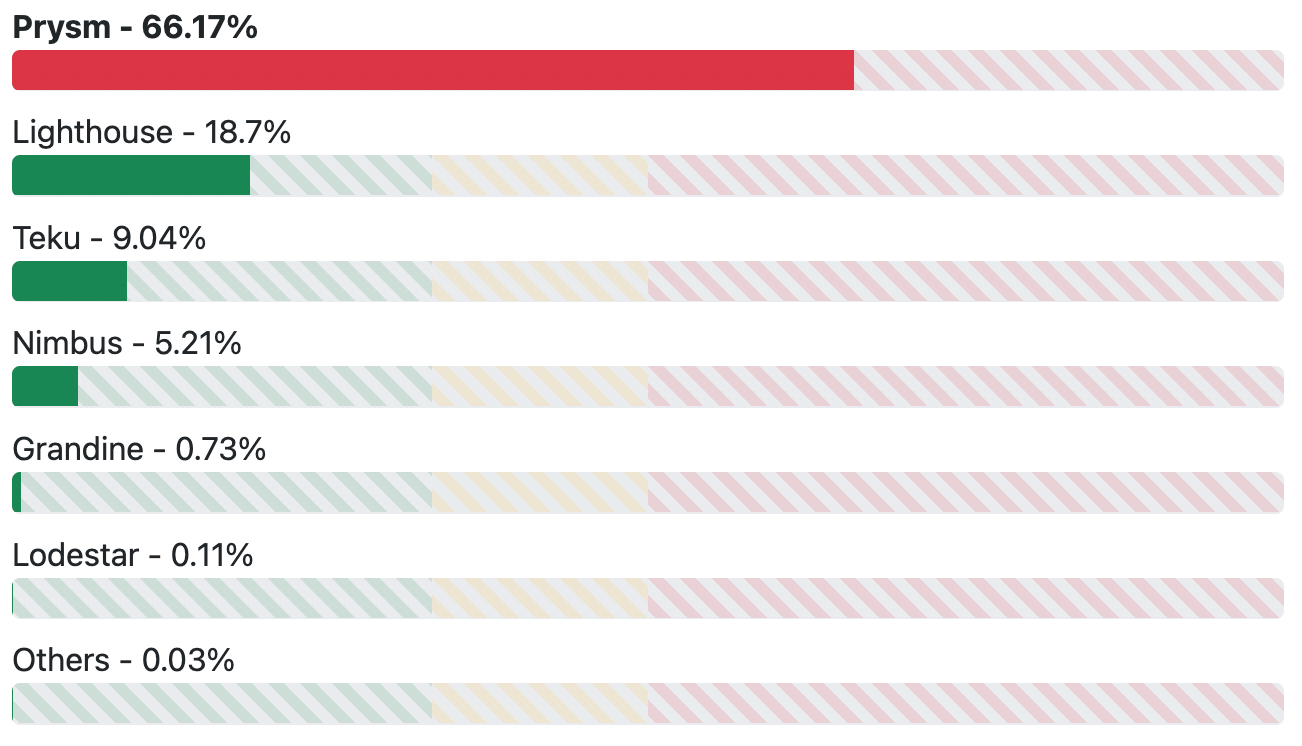
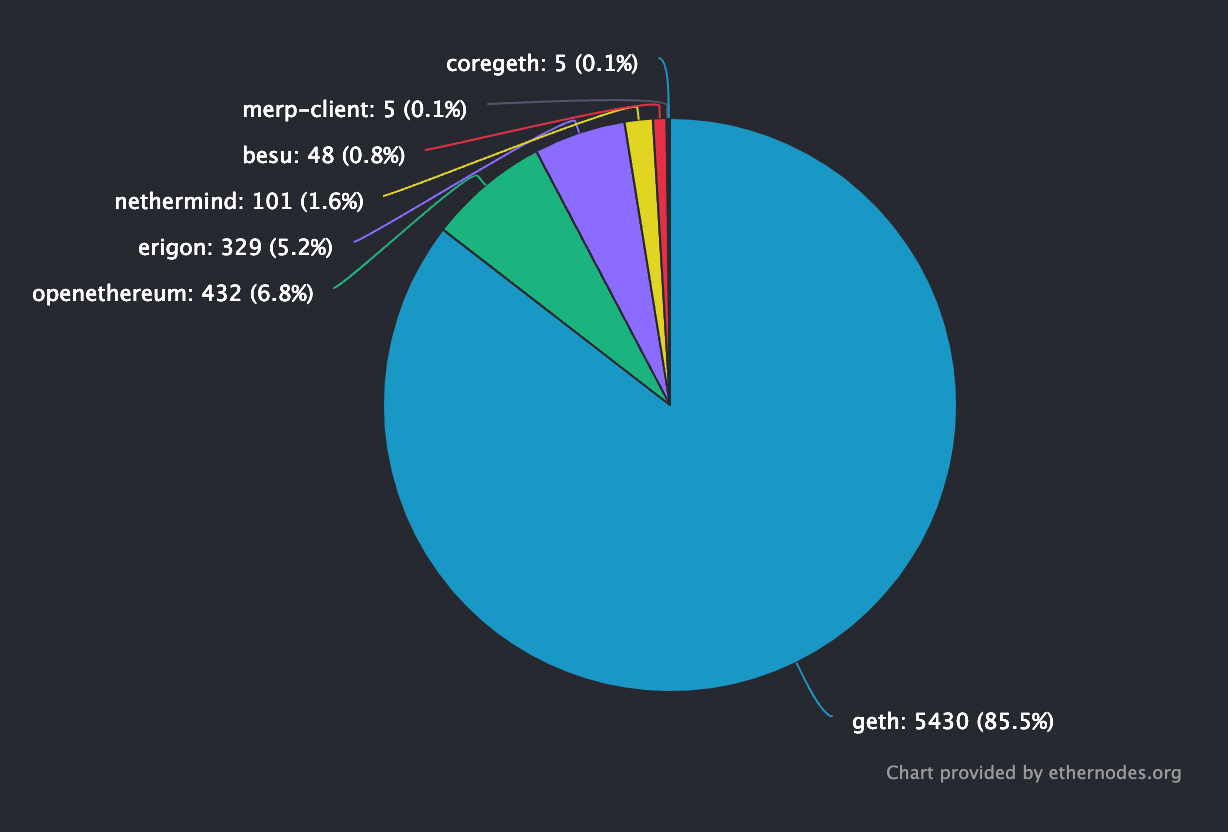
Other available consensus clients include Lighthouse (Rust), Teku (Java), Nimbus (Nim), and newer entries like Grandine and Lodestar. Despite the availability of these alternatives, Prysm has maintained its lead due to what developers call a "first-mover advantage." Prysm was the first client to offer a stable prototype, comprehensive documentation, and a user-friendly web interface. Furthermore, because the most popular execution client, Geth (Go-ethereum), is also written in Go, many developers and node operators found it easier to audit and run Prysm alongside their existing infrastructure.
The Role of Centralized Exchanges and Staking Services
The client diversity issue is not merely a result of individual hobbyists choosing the most popular software. It is largely driven by institutional players and massive staking pools. Centralized exchanges like Coinbase, Kraken, and Binance, along with decentralized liquid staking protocols like Lido, control a massive portion of the total staked ETH.
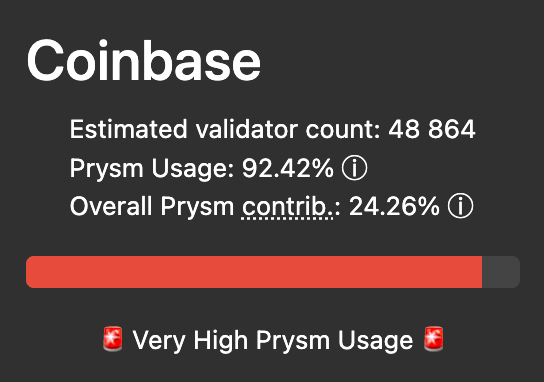
A deep dive into the data reveals the following contributions to the Prysm dominance:
- Coinbase: Manages approximately 17.5% of all validators. Historically, over 92% of these have run on Prysm.
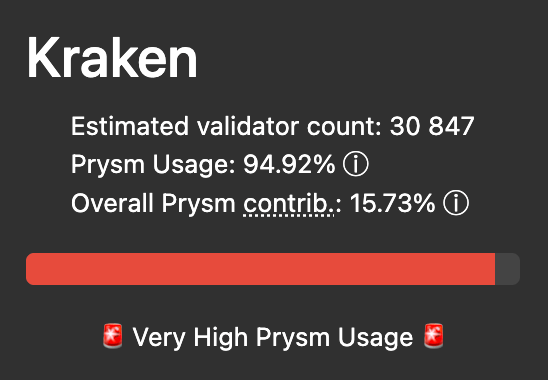
- Kraken: Accounts for roughly 11% of validators, with a 94.9% reliance on Prysm.
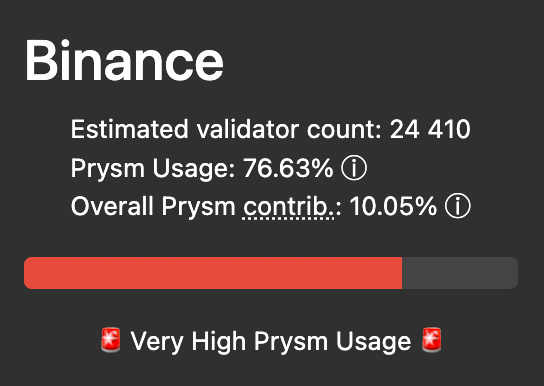
- Binance: Holds about 8.7% of the validator market, with 76.6% running Prysm.
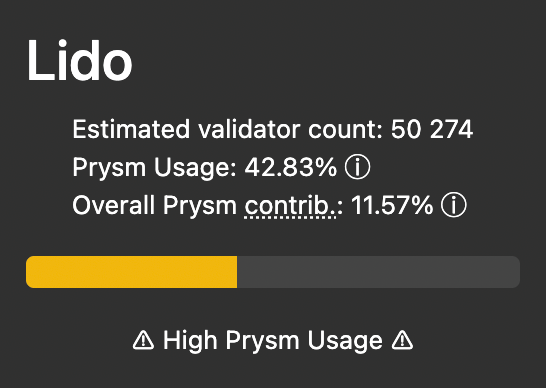
- Lido: While more diversified than the exchanges, the largest liquid staking protocol still sees a significant portion of its underlying node operators using Prysm.
When questioned about this concentration, institutional players have pointed to security and "remote signing" capabilities as the primary reasons for their choice. Remote signers allow validators to store their private keys in isolated, secure environments rather than on the validator node itself. Early in the development of the Beacon Chain, Prysm was the only client that robustly supported this feature, making it the logical choice for institutions responsible for billions of dollars in client funds.
Industry Responses and the Path to Diversification
The Ethereum Foundation and core developers have been vocal in their efforts to encourage migration away from Prysm. Marius van der Wijden, a prominent Ethereum core developer, has emphasized that while the Merge is safe to pursue, the community must not be complacent. "We have strong consensus that we will not bail out stakers that run a majority client if their clients misbehave," van der Wijden stated. This "no bailout" policy serves as a stern warning: if a supermajority client fails and causes a consensus error, the stakers using that client could face massive financial penalties through "slashing" or "inactivity leaks."
There are signs of progress. Kraken has officially stated that it is in the process of migrating a portion of its validators to Teku to bolster network resilience. Similarly, Coinbase Cloud has integrated support for Lighthouse and is actively working toward a more balanced distribution.
In the decentralized sector, Rocket Pool has emerged as a leader in diversity. Unlike its larger competitors, Rocket Pool’s decentralized nature has resulted in a much healthier distribution, with only about 10% of its validators running Prysm. This serves as a proof-of-concept that high-security staking can be achieved without contributing to client centralization.
Chronology of the Transition
The road to the Merge has been a multi-year journey marked by rigorous testing:
- December 2020: Launch of the Beacon Chain, marking the beginning of the PoS era.
- Late 2021: The "Kintsugi" testnet is launched to simulate the Merge in a controlled environment.
- March 2022: The "Kiln" testnet successfully executes the Merge, providing a final dress rehearsal for the mainnet transition.
- Mid-2022 (Projected): The official Merge on the Ethereum Mainnet.
Implications and Long-Term Outlook
The successful execution of the Merge will be a landmark achievement for the blockchain industry. It is expected to reduce Ethereum’s energy consumption by more than 99.9%, addressing one of the primary criticisms of blockchain technology. Furthermore, it sets the stage for future upgrades, such as "sharding," which aims to dramatically increase the network’s transaction throughput and reduce fees.
However, the client diversity issue remains a shadow over these advancements. If the network proceeds into the Merge with a 66% supermajority on a single client, it remains vulnerable to a "black swan" event—a single coding error that could potentially fracture the entire ecosystem.
The consensus among developers is that while the risk is "non-zero," it is manageable through proactive social pressure and institutional responsibility. The goal is to reach a state where no single client controls more than 33% of the network. Achieving this would provide Ethereum with the robust, "anti-fragile" security required to serve as the foundational layer of the future decentralized internet. As the countdown to the Merge continues, the eyes of the financial and technological worlds remain fixed on whether the Ethereum community can balance its rapid innovation with the disciplined decentralization necessary for its survival.