admin
admin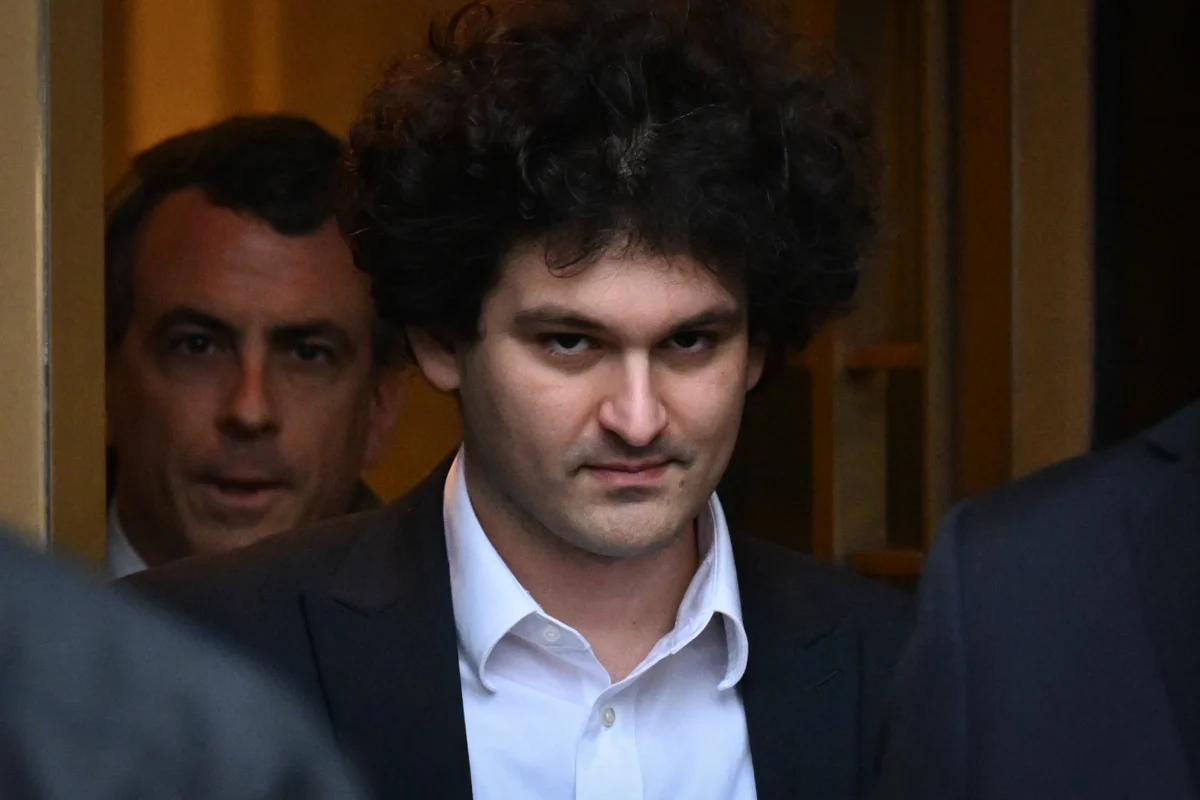
Sam Bankman-Fried, the disgraced co-founder of the defunct cryptocurrency exchange FTX, has officially submitted a petition for a presidential pardon to the United States Department of Justice’s Office of the Pardon Attorney. The application, which marks a significant turn in one of the most high-profile white-collar criminal cases in American history, seeks a full commutation or pardon from President Donald Trump during his second term in office. Bankman-Fried is currently serving a 25-year federal prison sentence following his 2024 conviction on seven counts of fraud, conspiracy, and money laundering. The move, first identified through updates on the Justice Department’s clemency tracking system and subsequently reported by Bloomberg News, signals an attempt by the former billionaire to bypass the traditional appellate process in favor of executive intervention.
The filing comes at a time when the use of executive clemency has become a central pillar of the current administration’s judicial policy. While Bankman-Fried’s legal team had previously indicated they would pursue all available avenues for relief, the decision to file a formal application with the Pardon Attorney is notable. Historically, many of the most high-profile pardons granted by President Trump have bypassed the formal Department of Justice (DOJ) review process, often originating from direct appeals to the White House by influential allies, donors, or advocacy groups. By submitting a formal application, Bankman-Fried is entering a bureaucratic pipeline that involves a rigorous review by the DOJ, though the President retains the absolute constitutional authority to grant clemency regardless of the department’s recommendation.
The Legal Context of the Conviction and Sentencing
Sam Bankman-Fried’s descent from the "golden boy" of the cryptocurrency industry to a federal inmate began in November 2022, when a liquidity crisis at FTX revealed a massive hole in the exchange’s balance sheet. Investigators discovered that billions of dollars in customer funds had been diverted to Alameda Research, a private hedge fund also controlled by Bankman-Fried. These funds were used to cover trading losses, fund venture capital investments, and facilitate hundreds of millions of dollars in political donations.
In March 2024, U.S. District Judge Lewis Kaplan sentenced Bankman-Fried to 25 years in prison, a sentence that fell between the 40 to 50 years sought by prosecutors and the six-year term requested by the defense. During the sentencing hearing, Judge Kaplan was notably critical of Bankman-Fried’s conduct, stating that the defendant had committed perjury during his trial testimony and showed a "total lack of remorse." The judge emphasized the "enormous" scale of the fraud, which impacted over a million customers and resulted in losses exceeding $8 billion.
The conviction was built on the testimony of several of Bankman-Fried’s former inner circle, including former Alameda Research CEO Caroline Ellison and FTX co-founders Gary Wang and Nishad Singh. Their cooperation with the government provided a detailed roadmap of how customer deposits were surreptitiously moved and used to sustain Bankman-Fried’s global empire and personal lifestyle.
Trends in Executive Clemency and White-Collar Crime
The pardon application arrives amidst a broader trend of executive clemency characterized by a focus on both political figures and individuals convicted of significant financial crimes. An analysis conducted by NBC News earlier this year highlighted that during President Trump’s second term, a substantial portion of granted pardons and commutations have been directed toward white-collar offenders. According to the data, more than half of the individual pardons granted in recent months were for crimes involving money laundering, bank fraud, wire fraud, and other complex financial schemes.
This pattern suggests a shift in the application of the pardon power, which has historically been used more frequently for non-violent drug offenses or cases involving clear miscarriages of justice. For Bankman-Fried, this environment presents a potential, albeit controversial, opportunity. His supporters and legal representatives have often argued that the 25-year sentence was disproportionate, particularly in light of ongoing bankruptcy proceedings that have seen a significant recovery of assets for FTX creditors. The argument posits that if creditors are eventually made whole, the underlying "harm" of the fraud is mitigated—a perspective that prosecutors and the presiding judge have vigorously contested, noting that the recovery of funds does not excuse the initial theft and deception.
A Chronology of the FTX Collapse and Legal Proceedings
To understand the weight of the pardon request, it is essential to review the rapid timeline that led to Bankman-Fried’s incarceration:
- May 2019: Sam Bankman-Fried co-founds FTX, which quickly grows to become one of the world’s largest cryptocurrency exchanges, valued at $32 billion at its peak.
- November 2, 2022: A leaked balance sheet from Alameda Research reveals that the hedge fund is heavily dependent on FTT, a token created by FTX, sparking concerns about the solvency of both entities.
- November 11, 2022: After a failed bailout attempt by rival exchange Binance, FTX and its affiliates file for Chapter 11 bankruptcy. Bankman-Fried resigns as CEO.
- December 12, 2022: Bankman-Fried is arrested by Bahamian authorities at the request of the U.S. government and is subsequently extradited to New York.
- August 2023: Bankman-Fried’s bail is revoked by Judge Kaplan after he is accused of attempting to intimidate witnesses, including Caroline Ellison.
- October 2023: The criminal trial begins in Manhattan. Over several weeks, the prosecution presents evidence of a systemic multi-year fraud.
- November 2, 2023: After less than five hours of deliberation, the jury finds Bankman-Fried guilty on all seven counts.
- March 28, 2024: Bankman-Fried is sentenced to 25 years in federal prison and ordered to forfeit $11 billion.
- June 2024: Bankman-Fried officially files for a presidential pardon through the DOJ’s Pardon Attorney Office.
Political Considerations and Donor Relations
The intersection of politics and the Bankman-Fried case is particularly complex. Before the collapse of FTX, Bankman-Fried was one of the largest political donors in the United States. While he was publicly associated with supporting Democratic candidates and causes—becoming the second-largest individual donor to Democrats in the 2022 election cycle—he later claimed in interviews that he had also donated nearly equal amounts to Republican causes through "dark money" channels to avoid public scrutiny.
President Trump has frequently criticized the "politicization" of the justice system, a theme that Bankman-Fried’s allies may attempt to leverage. However, the optics of pardoning a figure associated with the loss of billions in retail investor savings remain a significant hurdle. Unlike many of the January 6 defendants who have received pardons and who are viewed by the President’s base as political martyrs, Bankman-Fried’s case is rooted in financial malfeasance that affected a broad demographic of the American public.
Furthermore, the Bloomberg report noted that very few of the individuals who have received pardons from President Trump in his second term followed the formal application process through the Justice Department. Most successful petitioners have utilized direct lines of communication or high-level lobbying. Bankman-Fried’s decision to use the official channel could be interpreted as a strategy to build a formal administrative record of his request, or it may reflect a lack of the same direct access enjoyed by other high-profile figures.
Potential Implications for the Cryptocurrency Industry
The possibility of a pardon for Sam Bankman-Fried carries significant implications for the cryptocurrency industry and its ongoing struggle for regulatory clarity. For many in the crypto space, Bankman-Fried’s conviction was seen as a necessary "cleansing" of the industry, signaling that the era of unregulated "Wild West" finance was coming to an end. A pardon could be perceived as a setback for those efforts, potentially undermining the deterrent effect of the original sentence.
Conversely, some industry advocates argue that Bankman-Fried was singled out for a "show trial" intended to demonize digital assets. From this perspective, a commutation of his sentence could be framed as a correction of an overzealous prosecution. Regardless of the outcome, the filing ensures that the FTX saga will remain a central point of discussion in the intersection of technology, finance, and federal law.
Official Responses and Public Sentiment
While the White House and the Department of Justice have not issued formal comments on the specific filing—citing the confidential nature of pending clemency applications—the reaction from the legal community and victims has been swift. Representatives for FTX creditors have expressed concern that any move toward clemency could complicate the ongoing efforts to recover assets and distribute them to those who lost money.
Legal analysts suggest that the likelihood of a pardon in the near term remains low, given the severity of the crimes and the recent nature of the sentencing. Typically, the Office of the Pardon Attorney requires a waiting period—often five years after a sentence is completed or at least a significant portion of the sentence has been served—before a petition is seriously considered. However, the President’s pardon power is absolute and not bound by these internal DOJ guidelines.
The Path Forward for the Petition
The application will now undergo a review process within the DOJ. This involves an investigation into the petitioner’s conduct since the conviction, the merit of the claims for clemency, and the potential impact on public safety and the justice system. The Pardon Attorney will eventually make a recommendation to the Deputy Attorney General, who then forwards a recommendation to the White House.
For Sam Bankman-Fried, the petition represents a high-stakes gamble. If denied, it reinforces the finality of his 25-year term. If successful, it would represent one of the most controversial uses of executive power in the history of American financial law, potentially reshaping the landscape of corporate accountability for years to come. As the 2024 political calendar progresses, the decision on Bankman-Fried’s future will likely be weighed against the broader political priorities of the administration and the public’s enduring memory of the FTX collapse.