admin
admin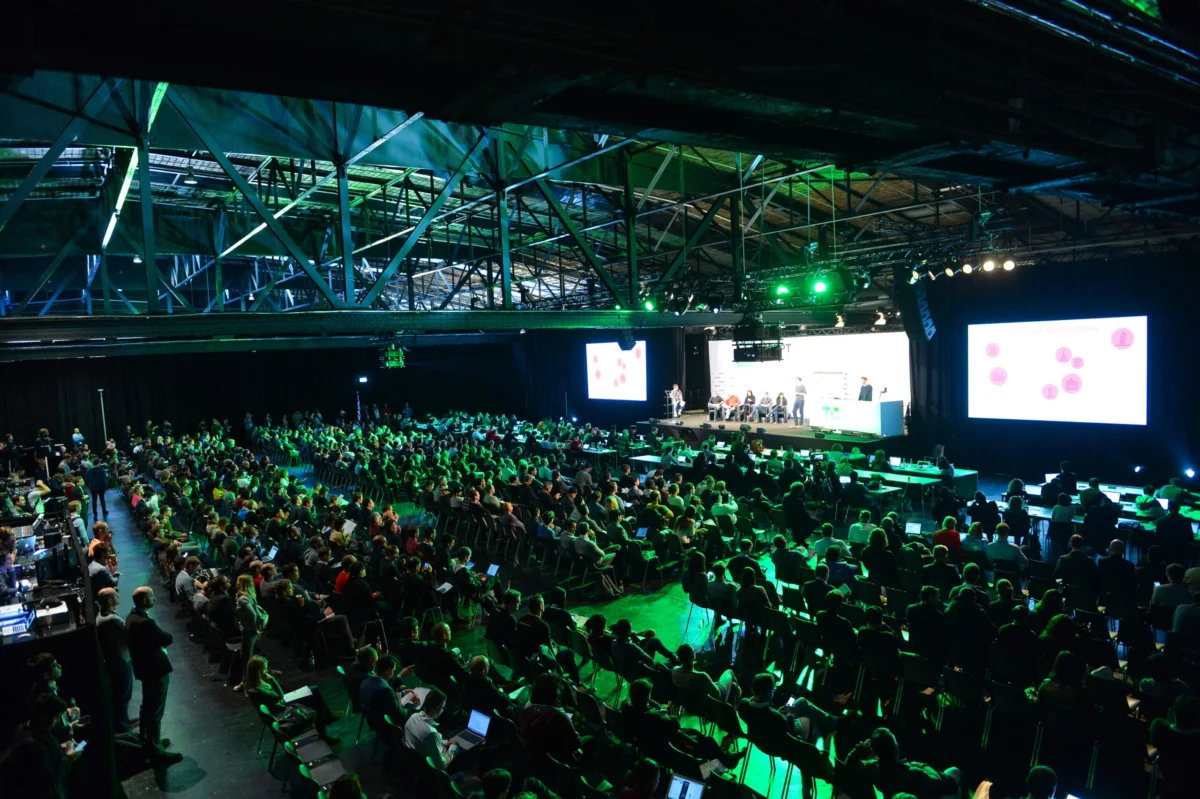
The second day of TechCrunch Disrupt 2025 commenced at San Francisco’s Moscone West, transforming the venue into a high-density hub of technological discourse, capital exchange, and entrepreneurial ambition. As the premier global event for the startup ecosystem, the conference’s second day shifted focus from broad industry visions to the granular mechanics of scaling businesses, the evolving landscape of venture capital, and the practical implementation of agentic artificial intelligence. With the event in full swing, organizers have maintained a high level of accessibility for late-arriving participants, offering a 50% discount on standard walk-up ticket prices for those seeking to engage with the remaining programming.
The atmosphere within Moscone West reflects a cautious yet palpable optimism within the tech sector. Following a period of market correction and a shift in focus toward profitability over growth-at-all-costs, the 2025 iteration of Disrupt serves as a litmus test for the resilience of the Silicon Valley model. This year, the integration of artificial intelligence into every facet of the agenda—from defense tech to healthcare workflows—suggests that the industry has moved past the initial hype cycle and into a phase of rigorous deployment and infrastructure building.
Strategic Programming and Keynote Highlights
The Disrupt Stage remained the focal point for high-level strategic insights, featuring some of the most influential voices in modern technology. A centerpiece of the morning session was the "No Filters" discussion featuring Vinod Khosla, founder of Khosla Ventures. Khosla, an early investor in OpenAI and a perennial provocateur in the tech space, offered a candid assessment of the future of the industry. His insights focused on the "radical" shifts expected in labor and productivity, arguing that the current trajectory of AI will fundamentally redefine the economic value of cognitive tasks.
Following Khosla, Elizabeth Stone, the Chief Technology Officer of Netflix, took the stage to discuss the future of streaming and digital entertainment. In a landscape increasingly crowded by competing platforms and shifting consumer habits, Stone detailed how Netflix is leveraging its massive data advantage to refine user experiences and optimize global content delivery networks. This session provided a rare glimpse into the technical hurdles of maintaining market dominance in an era where attention is the most volatile commodity.
The Disrupt Stage also hosted Brynn Putnam, the founder of MIRROR, who shared her journey of returning to the startup fold after a high-profile acquisition and subsequent market shifts. Her presence underscored a recurring theme of the conference: the cyclical nature of entrepreneurship and the importance of resilience. Additionally, Chris Barman, CEO of Slate Auto, provided a first-look at the company’s new electric truck, highlighting the ongoing convergence of hardware innovation and sustainable energy.
The Startup Battlefield: A Competition of High Stakes
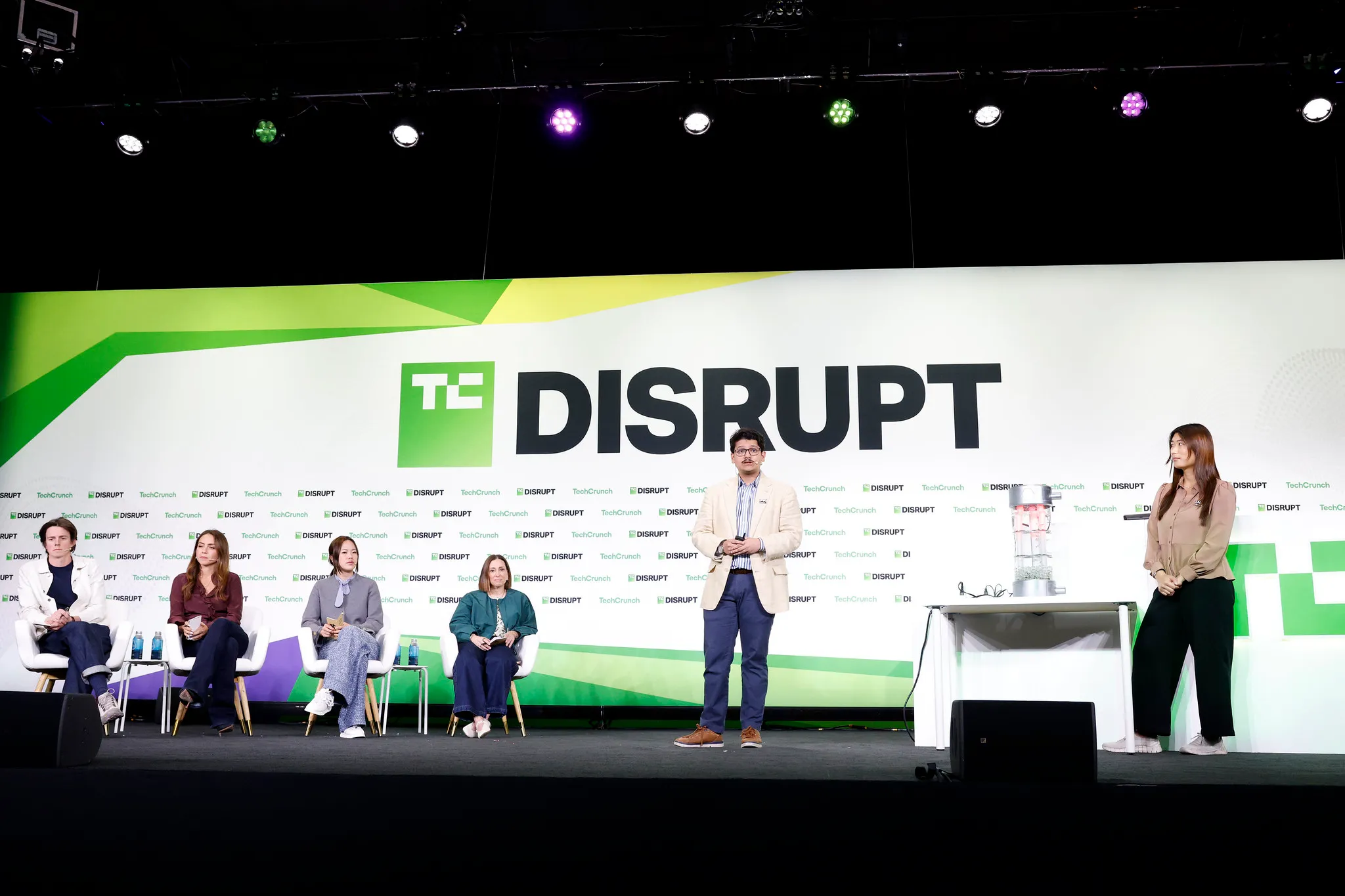
The Startup Battlefield remains the heartbeat of TechCrunch Disrupt, continuing its tradition of providing a launchpad for the next generation of "unicorns." On Day Two, the competition entered its third and fourth sessions, featuring a diverse array of companies vetted from thousands of global applicants. The "Battlefield 200," a curated group of the most promising early-stage startups, presented their pitches to a formidable panel of judges, including partners from NEA, Khosla Ventures, SignalFire, and Accel.
The judging panels, which included figures like Jon Chu of Khosla Ventures and Miloni Madan Presler of Institutional Venture Partners, scrutinized the startups not only on their technical viability but also on their path to commercialization and market fit. This year’s competition is particularly notable for the high concentration of "Agentic AI" startups—companies moving beyond generative models toward autonomous agents capable of executing complex workflows. The Startup Battlefield prize, historically a $100,000 equity-free grant, represents more than just capital; it is a signal of institutional validation that often leads to significant Series A and B funding rounds.
Deep Dives into Artificial Intelligence and Infrastructure
On the dedicated AI Stage, the discourse moved toward the "Post-Training Revolution." Industry leaders explored how reinforcement learning is currently disrupting the AI infrastructure stack. Key participants included Eric Anderson of Scale Venture Partners and Kyle Corbitt of CoreWeave, who discussed the physical and computational requirements of the next generation of models. The conversation highlighted a critical shift in the industry: as the cost of training large language models (LLMs) plateaus, the competitive advantage is shifting toward those who can efficiently manage inference and data retrieval.
Edo Liberty, founder and Chief Scientist at Pinecone, addressed why search remains the "next frontier" for AI, emphasizing the role of vector databases in bridging the gap between static models and real-time enterprise data. This was complemented by Or Lenchner, CEO of Bright Data, who discussed the transition from simple web pages to autonomous data layers. These sessions provided a technical roadmap for developers and CTOs looking to integrate AI into existing enterprise architectures without compromising data integrity or security.
The AI Stage also touched upon the physical manifestations of intelligence. Jeff Cardenas of Apptronik and Raquel Urtasun of Waabi discussed "Physical AI" and "Intelligence in Motion," showcasing how autonomous systems are moving out of the digital realm and into warehouses, logistics, and transportation. This intersection of robotics and AI represents a significant portion of the new venture capital being deployed in 2025, as investors look for tangible applications of the software breakthroughs of the previous two years.
Venture Capital Trends and the StrictlyVC Track
For the second consecutive year, Disrupt has integrated the StrictlyVC track, an exclusive program tailored specifically for Investor Pass holders. This track focuses on the LP (Limited Partner) and GP (General Partner) relationship, which has become increasingly complex in the current high-interest-rate environment. Dror Bin, CEO of the Israel Innovation Authority, provided a global perspective on high-tech trends and the role of deep-tech in geopolitical stability.
The "LP Lens" session, featuring executives from Makena Capital, Cendana Capital, and The J. Paul Getty Trust, addressed the most pressing issue for venture firms today: liquidity. With the IPO window remaining narrow, the discussion focused on secondary markets, fund selection, and the future of venture as an asset class. Kevin Hartz, General Partner at A*, added a GP perspective on maintaining LP relationships through market volatility, offering a pragmatic view of the fundraising environment for the coming 24 months.
Builders Stage: Operational Excellence in a Competitive Market
While the Disrupt and AI stages focused on the "what" and the "why," the Builders Stage was dedicated to the "how." Sessions on this stage were designed to provide founders with actionable playbooks for the inception and growth phases of their companies. Rajat Bhageria of Chef Robotics and Ann Bordetsky of NEA led a session on nailing product-market fit—a challenge that has become more difficult as enterprise buyers become more discerning.
A particularly relevant panel titled "Do Startups Still Need Silicon Valley?" explored the decentralization of the tech industry. Featuring David Hall of Revolution’s "Rise of the Rest" and Tawni Nazario-Cranz of SignalFire, the discussion weighed the benefits of the Valley’s dense network of talent and capital against the rising costs and the success of regional tech hubs. The consensus suggested that while Silicon Valley remains the "headquarters of ambition," the execution of modern tech companies is increasingly distributed.
Networking and the Cultural Impact of Disrupt
Beyond the stages, the Expo Hall at Moscone West served as a vibrant marketplace for more than 300 showcasing startups. The hall is divided by industry verticals, allowing investors to efficiently navigate sectors such as Fintech, Healthtech, and SaaS. The Women of Disrupt Breakfast Reception, held at the Deal Flow Cafe, continued its tradition of fostering mentorship and networking among female founders and investors, emphasizing the ongoing effort to improve diversity and inclusion within the tech ecosystem.
The use of the Braindate platform has facilitated thousands of curated 1:1 and small-group meetings, moving the networking experience away from chance encounters toward structured, topic-based knowledge exchange. This emphasis on high-quality interaction is mirrored in the Deal Flow Cafe, an exclusive area designed for founders and investors to discuss term sheets and partnership opportunities away from the main floor’s noise.
Broader Implications and San Francisco’s Tech Resurgence
The scale and energy of TechCrunch Disrupt 2025 serve as a significant indicator of San Francisco’s ongoing tech resurgence. After several years of headlines focused on "urban decay" and the exodus of tech companies, the density of activity at Moscone West suggests that the city remains the undisputed center of the AI revolution. The economic impact of the conference extends beyond the venue, with dozens of "Side Events"—ranging from rooftop mixers to technical hackathons—taking place throughout the city.
The integration of government and defense tech into the program also reflects a broader shift in the industry. Sessions like "Building Intelligence for Modern Defense" with Ethan Thornton of Mach Industries highlight the growing collaboration between Silicon Valley and the public sector, driven by a new era of global competition and the realization that software is now a primary component of national security.
As Day Two concludes, the focus shifts toward the final rounds of the Startup Battlefield and the concluding keynotes of Day Three. For those still observing from the sidelines, the 50% discount on tickets remains a standing invitation to participate in the final act of what is arguably the most consequential tech event of the year. The conversations held this week at Moscone West will likely dictate the direction of venture capital and technological development well into 2026.