admin
admin
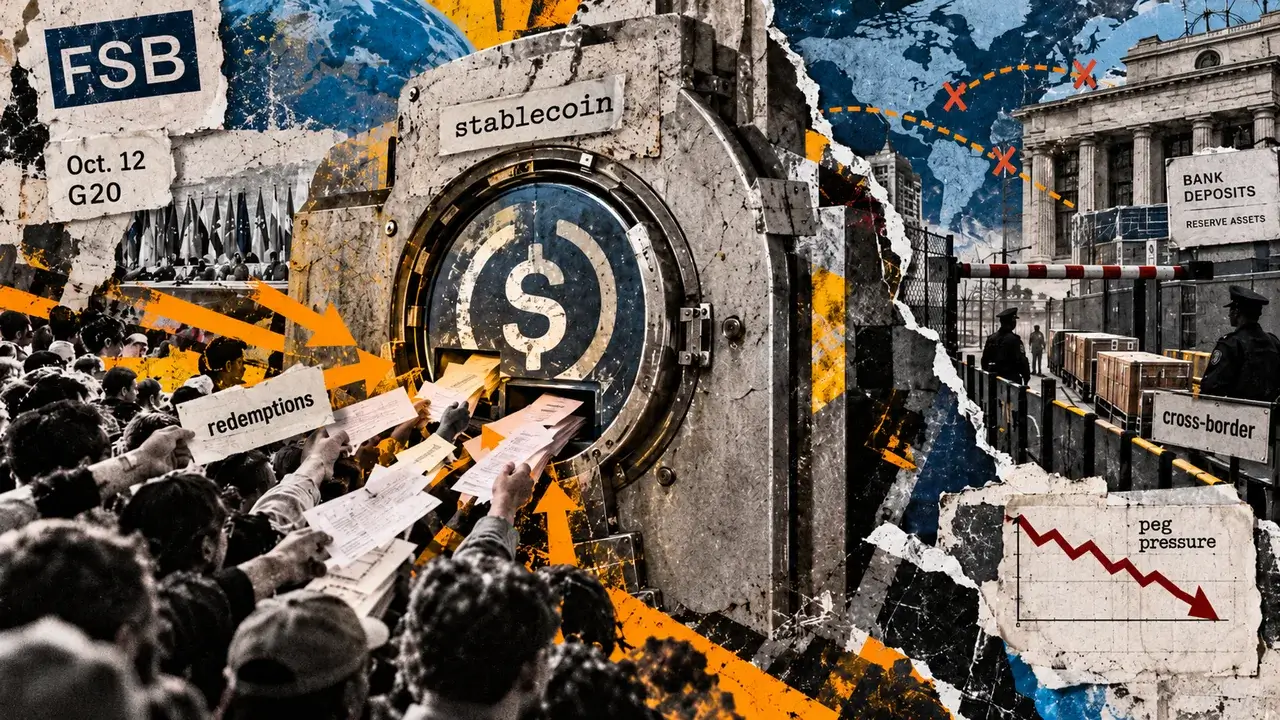
Singapore Gulf Bank (SGB) has officially launched its innovative stablecoin mint and redeem service, a significant development that allows its corporate and high-net-worth clientele to seamlessly convert between traditional fiat currencies and stablecoins directly within their SGB accounts. This groundbreaking initiative marks a pivotal moment in the integration of digital assets into the mainstream financial ecosystem, offering enhanced liquidity, efficiency, and accessibility for institutional players. The service, which was initially announced in February, is currently supporting USDC on the Solana blockchain for transactions exceeding $100,000, with ambitious plans to expand its offerings to include other prominent stablecoins and multiple blockchain networks in the near future.
A Strategic Leap into the Digital Asset Frontier
The introduction of SGB’s stablecoin mint and redeem service represents a calculated and forward-thinking move by the institution to address the evolving needs of its sophisticated client base. In an increasingly globalized and digital economy, the friction associated with cross-border capital movement has become a notable impediment to business growth and operational efficiency. By embedding stablecoin functionalities directly into its banking infrastructure, SGB is aiming to dismantle these barriers, enabling real-time, frictionless transactions between fiat and digital assets.
"By integrating stablecoin mint and redeem directly into the banking environment, we enable real-time movement between fiat and digital assets, improving cash flow, payments, and treasury management," stated Shawn Chan, CEO of SGB. "We are building the bank for a borderless world, where businesses and individuals operate across jurisdictions." This vision underscores SGB’s commitment to innovation and its proactive approach to shaping the future of finance, positioning itself as a key facilitator of digital asset adoption within the institutional sphere.
Genesis and Evolution of the Service
The journey to this landmark launch began earlier this year. In February, SGB first signaled its intent to integrate stablecoins into its clearing network, a move that garnered significant attention within the financial technology and cryptocurrency communities. This announcement was followed by SGB’s recent admission to the Circle Alliance Program. This prestigious membership places SGB within Circle’s global network of USDC-focused partners, underscoring the bank’s commitment to adhering to industry best practices and fostering collaboration within the stablecoin ecosystem. Circle, a leading global financial technology firm and the issuer of USDC, plays a crucial role in the stablecoin market, and SGB’s inclusion in its alliance signifies a strong endorsement of the bank’s capabilities and strategic direction.
The current iteration of the service, while initially focused on USDC on Solana, is a testament to SGB’s phased approach to digital asset integration. The Solana blockchain was likely chosen for its high transaction speeds and low fees, making it an attractive option for high-value institutional transactions. The minimum transaction threshold of $100,000 further emphasizes the service’s target demographic: institutional and high-net-worth clients who stand to benefit most from the efficiencies offered by stablecoin settlements.
Expanding Horizons: A Multi-Chain, Multi-Stablecoin Future
SGB’s ambition extends far beyond the current offering. The bank has explicitly stated its intention to broaden the scope of its stablecoin services by incorporating support for other leading stablecoins, including Tether (USDT), the newly emerging USDe, and USDG. This expansion will not be confined to a single blockchain; SGB plans to integrate these stablecoins across multiple blockchain networks. This multi-chain strategy is crucial for providing clients with maximum flexibility and access to diverse liquidity pools, catering to a wide array of trading and settlement needs.
The inclusion of USDT, the largest stablecoin by market capitalization, will be a significant draw for many institutional investors. USDe, a more recent entrant, and USDG, another stablecoin designed for institutional use, signal SGB’s commitment to staying at the forefront of stablecoin innovation and offering a comprehensive suite of digital asset settlement options. By embracing a multi-chain approach, SGB is positioning itself as a versatile hub for digital asset finance, capable of serving a diverse and dynamic market.
Fostering Adoption Through Incentives and Integrated Infrastructure
To celebrate the launch and encourage early adoption, SGB is implementing attractive incentives for its clients. For a limited period, the bank is waiving all gas and bank fees associated with minting and redeeming stablecoins on the Solana blockchain. This promotional offer is designed to reduce the initial cost barrier for clients exploring the service and to allow them to experience the benefits firsthand. Following this introductory period, SGB plans to introduce volume-based rewards, further incentivizing sustained engagement with the stablecoin mint and redeem service.
Crucially, the stablecoin minting and redemption functionalities are seamlessly integrated into SGB Net, the bank’s proprietary clearing network. This integration is a key differentiator, as it allows for the fluid movement of funds between on-chain and off-chain environments within a robust and regulated framework. This means that clients do not need to navigate complex external platforms or manage separate digital wallets to interact with stablecoins. The entire process is streamlined and accessible through their existing SGB banking channels, thereby minimizing operational complexity and enhancing security. This level of integration bridges the gap between traditional finance (TradFi) and decentralized finance (DeFi), making digital assets more approachable and usable for mainstream financial institutions.
SGB: A Profile of Innovation and Strategic Backing
Singapore Gulf Bank is not a new entrant to the burgeoning digital asset space. As reported by Business Times, SGB is a fully licensed digital wholesale bank based in Bahrain. It was founded by the Singapore-based private investment firm Whampoa Group and benefits from the strategic backing of Bahrain’s sovereign wealth fund, Mumtalakat. This strong foundation, combining venture capital expertise with sovereign wealth support, provides SGB with the resources and credibility necessary to undertake ambitious initiatives like the stablecoin mint and redeem service. The bank’s dual presence in Singapore and Bahrain further enhances its strategic positioning, allowing it to leverage the financial strengths and regulatory frameworks of both regions.
The Broader Context: Stablecoins as Institutional Infrastructure
SGB’s launch arrives at a time when stablecoins are rapidly solidifying their position as indispensable infrastructure within institutional finance. Once viewed primarily as speculative crypto assets, stablecoins have evolved significantly, particularly since 2025, to become a fundamental component of the financial system. Their ability to provide a stable unit of account and facilitate rapid, low-cost transfers has made them increasingly attractive for a wide range of applications, including payments, treasury management, and cross-border settlements.
The trend of enterprise adoption of stablecoins is accelerating. Major financial institutions are recognizing the transformative potential of these digital currencies. In a notable development last fall, Coinbase, a leading cryptocurrency exchange, partnered with Citigroup to enable Citi’s institutional clients to leverage stablecoins for faster money movement. This collaboration seamlessly integrated Coinbase’s digital asset infrastructure with Citi’s extensive payments network, which spans 94 markets globally, demonstrating a clear path for traditional banks to offer stablecoin-based services without abandoning their existing systems.
More recently, Circle, the issuer of USDC, has been actively developing solutions to facilitate institutional adoption. The launch of Circle Payments Network (CPN) Managed Payments earlier this month is a prime example. This stablecoin settlement solution is specifically designed to enable TradFi firms to utilize stablecoin rails for fiat transactions, abstracting away the underlying technical complexities and making the technology accessible to a broader range of financial institutions. SGB’s initiative aligns perfectly with these broader industry trends, positioning itself as a key player in this transformative shift.
Analyzing the Implications: Efficiency, Liquidity, and the Future of Banking
The implications of SGB’s stablecoin mint and redeem service are far-reaching:
-
Enhanced Efficiency and Reduced Costs: By enabling direct conversion between fiat and stablecoins within a regulated banking environment, SGB significantly streamlines the process of moving capital. This reduces the time and costs associated with traditional wire transfers, especially for international transactions. For businesses, this translates to improved cash flow management and operational agility.
-
Increased Liquidity and Capital Optimization: Stablecoins offer a liquid digital representation of fiat currency. By integrating them into banking services, SGB provides its clients with greater flexibility in managing their digital assets and accessing liquidity. This can be particularly beneficial for treasury departments looking to optimize their working capital.
-
Bridging TradFi and Digital Assets: SGB’s approach is a prime example of how traditional financial institutions can embrace and integrate digital assets. By offering these services through existing banking channels, SGB lowers the barrier to entry for institutional clients who may be hesitant to engage directly with the decentralized finance (DeFi) ecosystem.
-
Catalyst for Further Innovation: The success of SGB’s service could serve as a blueprint for other financial institutions looking to incorporate digital assets. As more banks offer similar functionalities, the demand for stablecoins and the underlying blockchain infrastructure is likely to increase, driving further innovation in the digital asset space.
-
Regulatory Considerations: While SGB operates within a regulated framework, the continued growth of stablecoin services will undoubtedly place greater emphasis on regulatory clarity and oversight. SGB’s adherence to compliance and its strategic partnerships with entities like Circle suggest a commitment to navigating the evolving regulatory landscape responsibly.
In conclusion, Singapore Gulf Bank’s launch of its stablecoin mint and redeem service is a significant milestone in the institutional adoption of digital assets. By providing a seamless, regulated, and efficient pathway for clients to interact with stablecoins, SGB is not only meeting the current demands of the market but also actively shaping the future of global finance, paving the way for a more integrated and borderless financial world.