admin
admin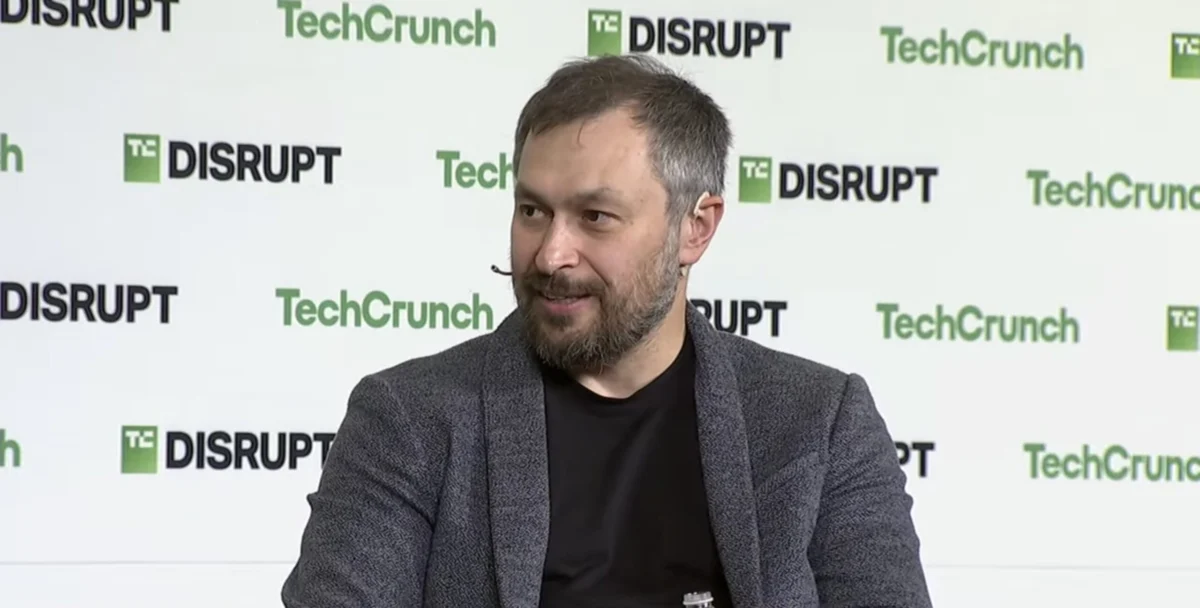
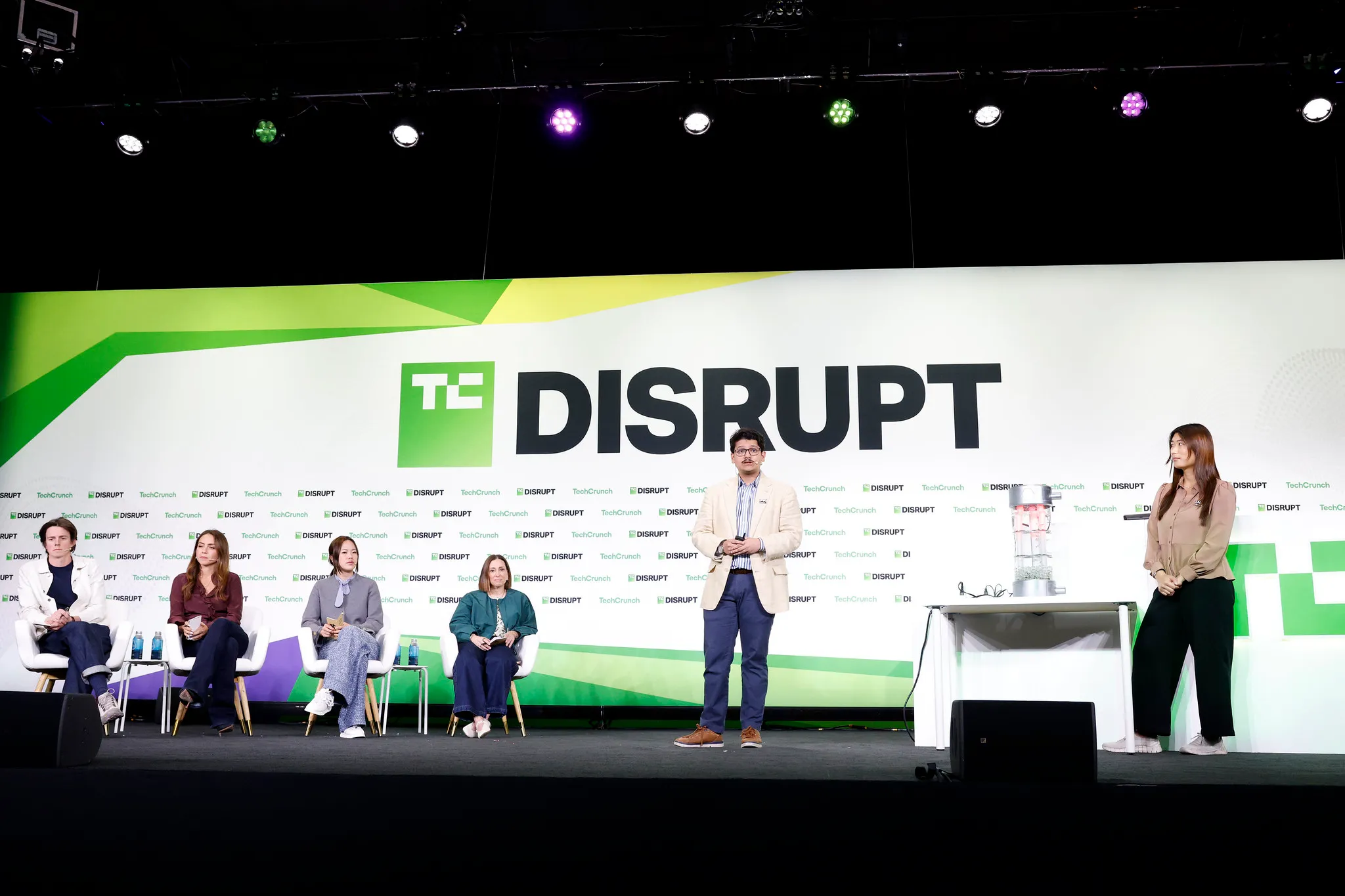
The landscape of software engineering is undergoing a fundamental transformation driven by agentic artificial intelligence, a shift that Solana Labs CEO Anatoly Yakovenko described as a "sea change" during his recent appearance at the TechCrunch Disrupt conference in San Francisco. Speaking to a capacity crowd at the three-day event, held from October 13 to 15, Yakovenko detailed his personal transition from a hands-on developer with over 15 years of experience to a high-level supervisor of automated coding agents. The CEO’s reflections on the "force multiplier" effect of AI coincided with a period of unprecedented financial growth for the Solana ecosystem, even as the protocol faces mounting criticism over its role in hosting politically charged digital assets.
Yakovenko’s commentary on the stage of TechCrunch Disrupt 2025 offered a rare glimpse into the daily workflow of a major tech executive in the age of generative AI. He admitted to becoming increasingly comfortable taking a secondary role in active software development, delegating complex tasks to Claude, the AI model developed by Anthropic. "AI has been a great force multiplier for somebody who’s an expert," Yakovenko noted, emphasizing that his deep technical background allows him to oversee the AI’s output with a critical eye. "Now I can just watch Claude churning through its thing and I can almost smell when it’s going off the rails."
This shift in productivity has reached a point where Yakovenko confessed that the AI’s progress often commands more of his attention than traditional corporate obligations. "If people are in a meeting with me and I’m not paying attention, it’s because I’m watching Claude," he said. This anecdote underscores a broader trend within the tech sector where senior engineers and executives are leveraging agentic tools—AI systems capable of planning and executing multi-step tasks autonomously—to accelerate development cycles that previously took weeks or months.
A Financial Milestone: Revenue Growth and the Bitwise ETF Launch
The technical evolution of the Solana protocol is mirrored by its robust financial performance throughout 2024 and 2025. While much of the broader cryptocurrency market has struggled with volatility and regulatory uncertainty, Solana has emerged as a dominant force in the decentralized finance (DeFi) space. Earlier this month, the system announced a staggering $2.85 billion in annual revenue. This figure was driven largely by the high volume of activity on Solana-based decentralized exchanges (DEXs) and crypto trading platforms, which benefit from the network’s high throughput and low transaction costs.
A pivotal moment for the protocol occurred just 24 hours before Yakovenko took the stage at Disrupt. Bitwise, a prominent crypto asset manager, officially launched the first Solana-based exchange-traded fund (ETF). The debut was met with significant investor enthusiasm, recording nearly $70 million in inflows during its first day of trading. The launch of the ETF represents a critical bridge between the "on-chain" world of crypto enthusiasts and the traditional brokerage accounts of retail and institutional investors.
Market analysts suggest that the success of the Bitwise Solana ETF is a bellwether for the "institutionalization" of the network. By providing a regulated vehicle for exposure to the SOL token, the ETF allows pension funds, wealth managers, and individual investors to participate in the Solana ecosystem without the complexities of managing digital wallets or navigating private keys. This influx of capital is expected to provide a floor of liquidity that could stabilize the asset’s price compared to its more volatile history.
The Convergence of Traditional Finance and Blockchain Rails
During his session, Yakovenko addressed why Solana has found a particular resonance with veterans of the traditional financial sector. He argued that the core value proposition of blockchain—instant settlement and the elimination of intermediary risk—is something that "back-office finance" professionals understand intuitively.
"If you are a back-office finance person, you actually get crypto much, much faster," Yakovenko explained. "Finance people deal with settlement risk all the time. They deal with banking risk all the time."
In traditional finance, the settlement of assets can take days (the T+2 or T+1 standard), involving a complex web of clearinghouses and custodian banks. Solana’s architecture, which utilizes a unique "Proof of History" (PoH) consensus mechanism, allows for near-instantaneous finality. For a professional tasked with managing the risk of a trade failing or a counterparty defaulting during the settlement window, the efficiency of a high-performance blockchain offers a tangible solution to age-old administrative hurdles. This alignment of interests has helped Solana pivot from being seen as a "retail-only" memecoin hub to a legitimate contender for global financial infrastructure.
Navigating the Controversy of Political Memecoins
Despite the financial and technical successes, Solana’s reputation has been complicated by the rise of "PolitiFi" tokens—cryptocurrencies themed around political figures and movements. The most prominent among these is the Solana-hosted Trumpcoin, which has drawn intense scrutiny from both political analysts and legal experts. Estimates suggest that the coin has directed approximately $350 million to the former president, leading critics to characterize the arrangement as a decentralized form of public bribery.
The controversy is heightened by the broader political context involving the cryptocurrency industry. High-profile pardons granted by the Trump administration to industry figures such as Tron founder Justin Sun and Binance founder Changpeng Zhao (CZ) have fueled perceptions of a "pay-to-play" relationship between the crypto elite and political leadership. Critics argue that these tokens allow for the unfettered flow of capital to political figures outside the traditional constraints of campaign finance laws.
When questioned about these ethical dilemmas, Yakovenko maintained a strictly neutral stance, rooted in the philosophy of open-source protocols. He compared the Solana network to the internet’s fundamental communication layers, arguing that the creator of a protocol cannot—and should not—be responsible for the specific content or assets users choose to transmit.
"I could send you an email with a link to Trumpcoin or Fartcoin," Yakovenko said, illustrating his point with a blunt analogy. "And both of those are protocols, both the email and the underlying protocol that creates that market."
This defense highlights the central tension of the Web3 era: the conflict between the desire for a permissionless, censorship-resistant infrastructure and the societal demand for accountability when that infrastructure is used for controversial or potentially illegal ends. For Yakovenko, the integrity of the protocol depends on its neutrality, regardless of the nature of the assets hosted on it.
Chronology of Solana’s Recent Development (2024-2025)
To understand the current state of Solana, it is essential to look at the timeline of events that led to its 2025 resurgence:
- Q1 2024: Solana recovers from the "FTX hangover," seeing a massive spike in user activity driven by the "Saga" mobile phone and a series of high-profile airdrops.
- Q2 2024: The network achieves record-breaking daily active address counts, surpassing Ethereum on several occasions in terms of DEX volume.
- Q3 2024: Institutional interest begins to peak as major firms like Franklin Templeton and BlackRock express interest in exploring Solana’s architecture for asset tokenization.
- Late 2024: The rise of "Trumpcoin" and other political tokens begins, sparking national debate over the use of blockchain for political financing.
- October 12, 2025: Bitwise launches the Solana ETF, marking the first such product for the SOL token in the United States.
- October 14, 2025: Anatoly Yakovenko speaks at TechCrunch Disrupt, confirming the protocol’s $2.85 billion revenue milestone and discussing the integration of AI in development.
Analysis of Implications: The Future of Agentic Coding and Blockchain
The intersection of AI and blockchain, as described by Yakovenko, suggests a future where the barriers to entry for creating complex financial systems are lower than ever. If a single expert can use an agentic tool like Claude to perform the work of a small team of engineers, the rate of innovation within the Solana ecosystem—and the tech industry at large—is likely to accelerate exponentially.
However, this "force multiplier" also presents risks. As Yakovenko noted, the expert must be able to "smell" when the AI is going off the rails. This implies that while AI can handle the "churn," the human element of oversight remains indispensable. In the context of blockchain, where a single bug in a smart contract can lead to the loss of millions of dollars, the stakes for AI-generated code are exceptionally high.
Furthermore, the institutional success of the Solana ETF and the protocol’s high revenue figures signal a maturing market. The "back-office" adoption Yakovenko spoke of suggests that blockchain is moving past its experimental phase and into a utilitarian phase where it serves as the plumbing for global finance.
The challenge for Solana Labs and Yakovenko moving forward will be balancing this institutional growth with the ethical and regulatory pressures inherent in maintaining an open protocol. As Solana becomes a more significant part of the global financial and political landscape, the "neutral protocol" defense will likely face continued testing in the courts of public opinion and law. For now, Yakovenko remains focused on the technology, watching his AI agents build the next generation of the decentralized web while he steers one of the most successful projects in the history of the digital asset industry.