admin
adminBlockchain-based digital assets and payment systems, built upon Distributed Ledger Technology (DLT), are heralding a profound transformation in global finance. These innovations enable secure, transparent, and highly efficient transactions without the traditional reliance on centralized institutions, promising a fundamental reshaping of how value is created, exchanged, and managed. This paradigm shift addresses longstanding inefficiencies within existing financial frameworks, paving the way for a more accessible, faster, and cost-effective economic infrastructure.
The Foundation: Distributed Ledger Technology (DLT)
At the core of this revolution is Distributed Ledger Technology (DLT), a decentralized database managed by multiple participants across a network. Unlike traditional databases, DLT ensures that all participants have access to a shared, immutable record of transactions, eliminating the need for a central authority to validate or reconcile data. This inherent decentralization and cryptographic security are the bedrock for the trust and integrity of blockchain-based digital assets. Key characteristics of DLT include immutability, meaning once a transaction is recorded, it cannot be altered; transparency, as all verified transactions are visible to network participants; and enhanced security through cryptographic hashing and consensus mechanisms. These features collectively foster an environment of unparalleled trust and efficiency, critical for the evolution of financial services.
Key Applications Driving Financial Innovation
The practical applications of DLT and blockchain extend across numerous facets of finance, each addressing specific pain points and introducing novel capabilities.
-
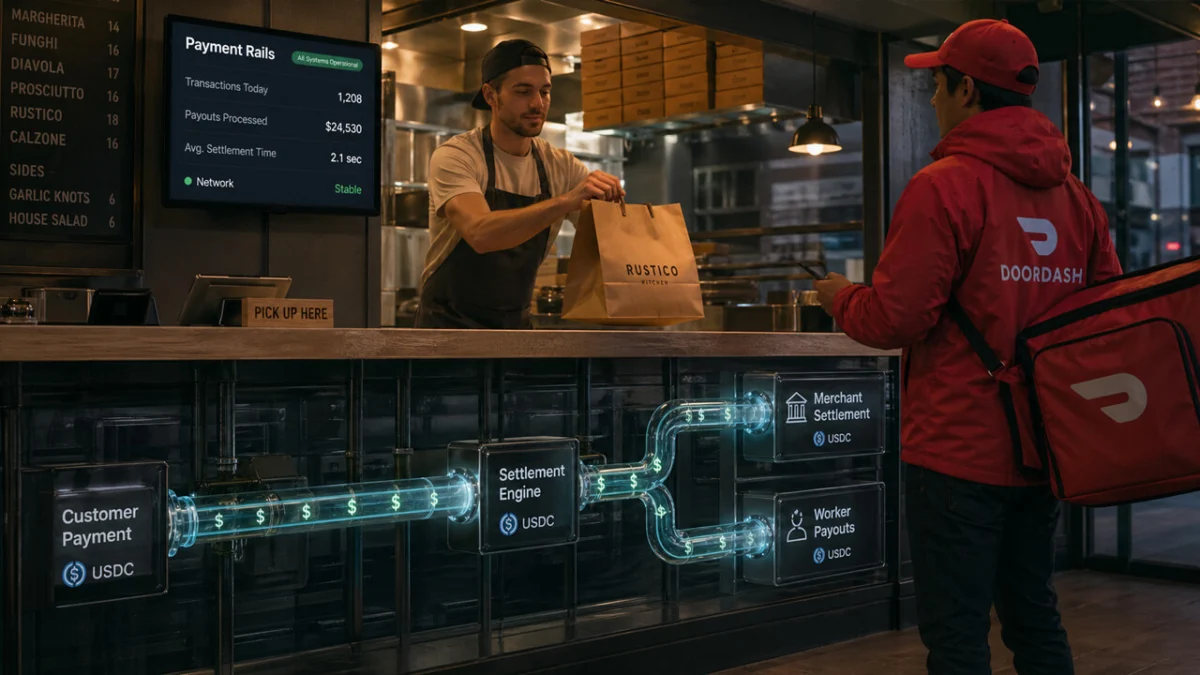
Cross-Border Payments and Remittances: Traditional cross-border payments are notoriously slow, expensive, and opaque, often involving multiple intermediaries and days for settlement. Blockchain technology drastically cuts down transaction times, reduces fees, and increases transparency. By leveraging DLT, payments can be processed in real-time or near real-time, 24/7, bypassing conventional banking hours and correspondent banking networks. This efficiency is particularly impactful for international trade and remittances, where individuals and businesses can send and receive funds globally with unprecedented speed and lower costs. The global remittance market, estimated to be worth over $600 billion annually, stands to benefit immensely from these advancements, offering more affordable options to migrant workers and their families.
-
Asset Tokenization: One of the most significant innovations is the tokenization of real-world assets (RWAs). This process involves converting tangible and intangible assets—such as real estate, fine art, commodities, intellectual property, or even private equity—into digital tokens on a blockchain. Each token represents fractional ownership or a share of the underlying asset. Tokenization unlocks illiquid assets, making them tradable on secondary markets, thereby increasing market liquidity and accessibility. For example, a multi-million-dollar commercial property can be tokenized into thousands of digital shares, allowing a wider range of investors to participate with smaller capital outlays. This democratizes investment opportunities and streamlines the complex, often manual, processes associated with traditional asset transfers and ownership verification. The market for tokenized assets is projected to grow substantially, with some estimates suggesting it could reach trillions of dollars in the coming decade.
-
Smart Contracts: Smart contracts are self-executing agreements with the terms of the agreement directly written into lines of code. They run on the blockchain, automatically executing when predefined conditions are met, without the need for intermediaries. This automation reduces operational costs, minimizes human error, and ensures tamper-proof execution. In finance, smart contracts can automate escrow services, insurance payouts, loan agreements, supply chain finance, and complex derivatives, making these processes more reliable and efficient. Their programmatic nature opens up new possibilities for sophisticated financial instruments and automated compliance.
-
Decentralized Finance (DeFi) and Central Bank Digital Currencies (CBDCs): DeFi refers to a burgeoning ecosystem of financial applications built on blockchain, aiming to recreate traditional financial services (lending, borrowing, trading) in a decentralized, permissionless manner. CBDCs, on the other hand, are digital forms of a country’s fiat currency, issued and backed by its central bank. While distinct, both represent significant shifts towards digital-native money and finance. CBDCs promise to enhance financial inclusion, modernize payment systems, and provide a stable digital currency, while DeFi pushes the boundaries of innovation by offering alternative, often more efficient, financial services outside traditional banking.
Global Adoption and Institutional Interest
The rapid expansion of blockchain-based digital assets and payment systems is not merely a fringe phenomenon but a global trend attracting significant institutional interest. Central banks worldwide are actively exploring or piloting CBDCs, recognizing their potential to enhance monetary policy, improve payment efficiency, and maintain financial stability in an increasingly digital world. For instance, the European Central Bank (ECB) is actively working on the digital euro project, aiming to provide a secure and efficient 24-hour real-time payment system for its citizens and businesses. This initiative, alongside others like Project Mariana, which explores cross-border payments using wholesale CBDCs, demonstrates a clear commitment to leveraging DLT for systemic improvements in financial infrastructure. Beyond central banks, commercial banks and financial institutions are investing heavily in DLT for interbank settlements, trade finance, and tokenized securities platforms. Major players like JPMorgan Chase, with its Onyx platform, and Visa, exploring blockchain for B2B payments, are actively demonstrating the commercial viability and operational benefits of these technologies. The recent surpassing of a $1 trillion market capitalization for blockchain-based digital assets underscores their growing legitimacy and role as a powerful alternative or complement to traditional financial systems. This growth is driven by increasing institutional adoption, regulatory clarity in some jurisdictions, and the inherent efficiencies offered by DLT.
Addressing the Challenges: The Role of Oracle Networks and Interoperability (Chainlink)
Despite the immense promise, the widespread adoption of blockchain-based digital assets and smart contracts faces several critical challenges, primarily around connecting to real-world data and ensuring interoperability between disparate blockchain networks and legacy systems. Blockchains, by design, are isolated environments; they cannot directly access off-chain data or communicate with other blockchains. This "oracle problem" and the lack of native cross-chain communication limit the utility of smart contracts for complex financial applications that require real-time market data, external events, or interaction with other digital ledgers.
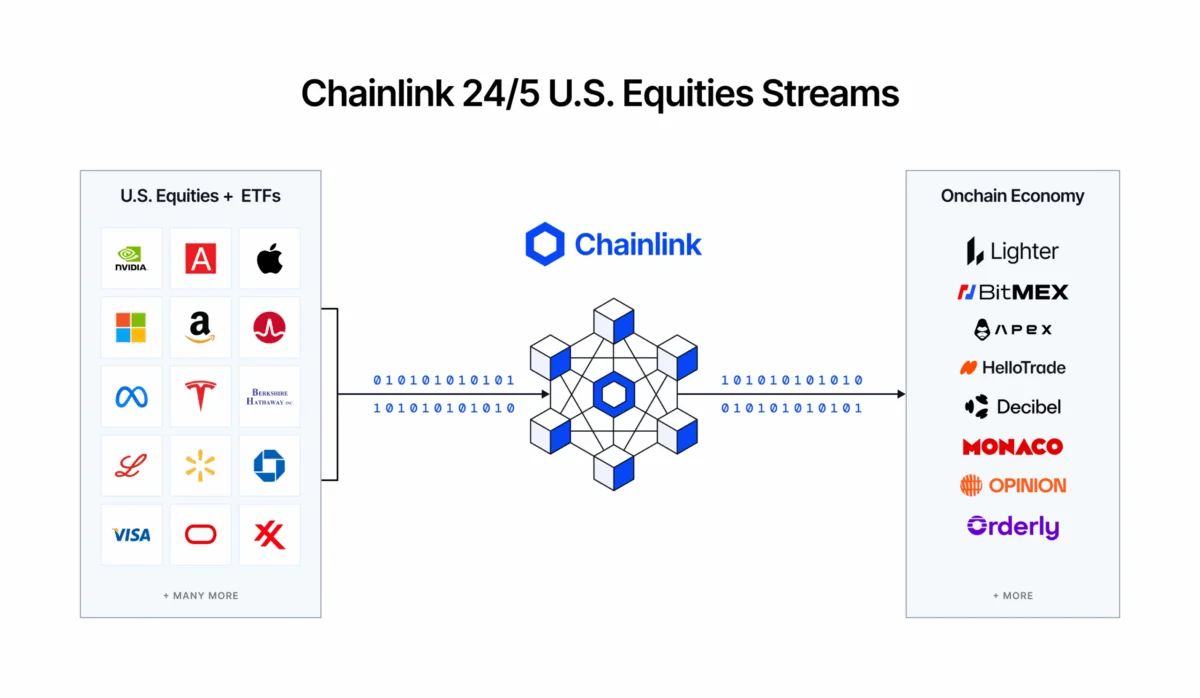
This is where decentralized oracle networks, such as Chainlink, become indispensable. Chainlink acts as a secure middleware layer, bridging the gap between blockchains and the real world. It provides smart contracts with access to reliable, tamper-proof off-chain data, computation, and cross-chain capabilities, unlocking their full potential for enterprise-grade financial services. Chainlink’s robust infrastructure addresses the critical need for external connectivity and interoperability, enabling sophisticated DLT applications that can react to real-world events and operate seamlessly across a multi-chain ecosystem.
Chainlink’s Comprehensive Suite for Digital Finance
Chainlink offers a comprehensive suite of services specifically designed to empower the next generation of blockchain-based digital assets and payment systems:
-
Chainlink Data Feeds: These provide smart contracts with access to high-quality, real-time market data, including foreign exchange (FX) rates, commodity prices, and digital asset valuations. Data Feeds are secured by a decentralized network of independent oracle nodes, ensuring data integrity and availability. For financial institutions, this means smart contracts can settle derivatives based on accurate market prices, automate collateral rebalancing, and power algorithmic trading strategies with verifiable data. For instance, an FX derivatives contract on a blockchain could automatically execute based on Chainlink’s reliable, aggregate FX rate data, mitigating counterparty risk and reducing settlement times from days to minutes.
-
Chainlink Proof of Reserve: This service provides transparent, real-time auditing of collateralized assets held off-chain or on other blockchains. For tokenized assets, especially stablecoins or security tokens backed by reserves, Proof of Reserve ensures that the digital representation is fully backed by the underlying asset. This continuous, on-chain verification builds trust and mitigates systemic risk by demonstrating the solvency of issuers and the integrity of their reserves. It’s a crucial component for regulatory compliance and investor confidence in a world of tokenized value.
-
Chainlink CCIP (Cross-Chain Interoperability Protocol): CCIP is a groundbreaking protocol enabling secure and reliable transfer of data and value across any public or private blockchain network. It solves the critical problem of blockchain fragmentation, allowing financial institutions to build applications that operate seamlessly across multiple chains. For example, a bank could use CCIP to transfer tokenized assets from a private enterprise blockchain to a public DeFi protocol for enhanced liquidity, or to settle payments between different CBDC networks. CCIP facilitates a truly interconnected digital economy, unlocking capital trapped in isolated blockchain environments and streamlining complex cross-chain workflows for payments, remittances, and asset management.
-
Chainlink SmartData: SmartData enriches on-chain financial applications with rich, contextual real-world asset (RWA) data. Beyond simple price feeds, SmartData can provide detailed information necessary for pricing complex tokenized assets, constructing indices, or building structured products. This includes data points like property valuations, supply chain logistics, ESG scores, or performance metrics for specific asset classes. By bringing this nuanced data on-chain in a verifiable manner, SmartData enables the creation of more sophisticated and robust financial products that accurately reflect real-world conditions.
-
Chainlink Automated Compliance Engine (ACE): Regulatory compliance (e.g., KYC/AML, sanctions screening, reporting) is a major hurdle for institutional adoption of blockchain. ACE automates these compliance checks for tokenized assets and participants directly on-chain, using verifiable off-chain data and logic. For instance, before a tokenized security can be traded, ACE can automatically verify that both the buyer and seller meet jurisdictional KYC/AML requirements and are not on any sanctions lists. This embedded compliance significantly reduces operational overhead and de-risks institutional participation, paving the way for regulated financial products on DLT.
-
Chainlink Runtime Environment (CRE): CRE provides a secure and verifiable off-chain computation environment, allowing smart contracts to execute complex logic that would be too costly or impractical to run directly on a blockchain. This enables advanced financial models, risk assessments, and computationally intensive derivatives. For example, a smart contract could leverage CRE to run a complex Monte Carlo simulation for a tokenized structured product, with the results verifiably returned to the blockchain. CRE extends the capabilities of smart contracts, allowing for highly sophisticated financial instruments and services.
-
Chainlink Confidential Compute and Privacy Standards: Addressing the paramount need for privacy in institutional finance, Chainlink’s confidential compute capabilities enable smart contracts to process sensitive data without revealing its contents to the underlying blockchain or oracle nodes. This is crucial for maintaining confidentiality in areas like transaction details, proprietary algorithms, or client identities. Chainlink’s privacy standards ensure that while transactions are verifiable and auditable, the underlying sensitive information remains protected. This innovative approach allows financial institutions to leverage the benefits of blockchain’s transparency and immutability while adhering to strict privacy regulations like GDPR and internal data protection policies, fostering trust and enabling sensitive use cases.
Implications and Future Outlook
The convergence of blockchain technology and advanced oracle networks like Chainlink is creating an irreversible shift in the financial landscape. The implications are far-reaching:
- Increased Efficiency and Cost Reduction: Automation and disintermediation reduce operational costs and accelerate settlement cycles across various financial services.
- Enhanced Transparency and Trust: Immutability and cryptographic security provide a higher degree of trust and auditability, combating fraud and enhancing regulatory oversight.
- Greater Financial Inclusion: Lower barriers to entry and fractional ownership facilitate broader participation in global financial markets.
- New Market Opportunities: Tokenization unlocks new asset classes and creates innovative financial products and services previously impossible.
- Regulatory Evolution: Governments and regulators are actively developing frameworks to integrate DLT into existing legal and financial structures, indicating a move towards mainstream adoption.
The journey towards a fully digital financial ecosystem is ongoing, but the foundational technologies and infrastructure are rapidly maturing. With blockchain providing the immutable ledger and Chainlink providing the critical bridge to real-world data, computation, and cross-chain communication, the future of finance promises to be more efficient, transparent, and globally interconnected than ever before. This integrated approach, blending the security of DLT with the connectivity of oracle networks, is essential for unlocking the full potential of digital assets and payment systems, driving innovation, and delivering tangible benefits to institutions and individuals alike.