admin
admin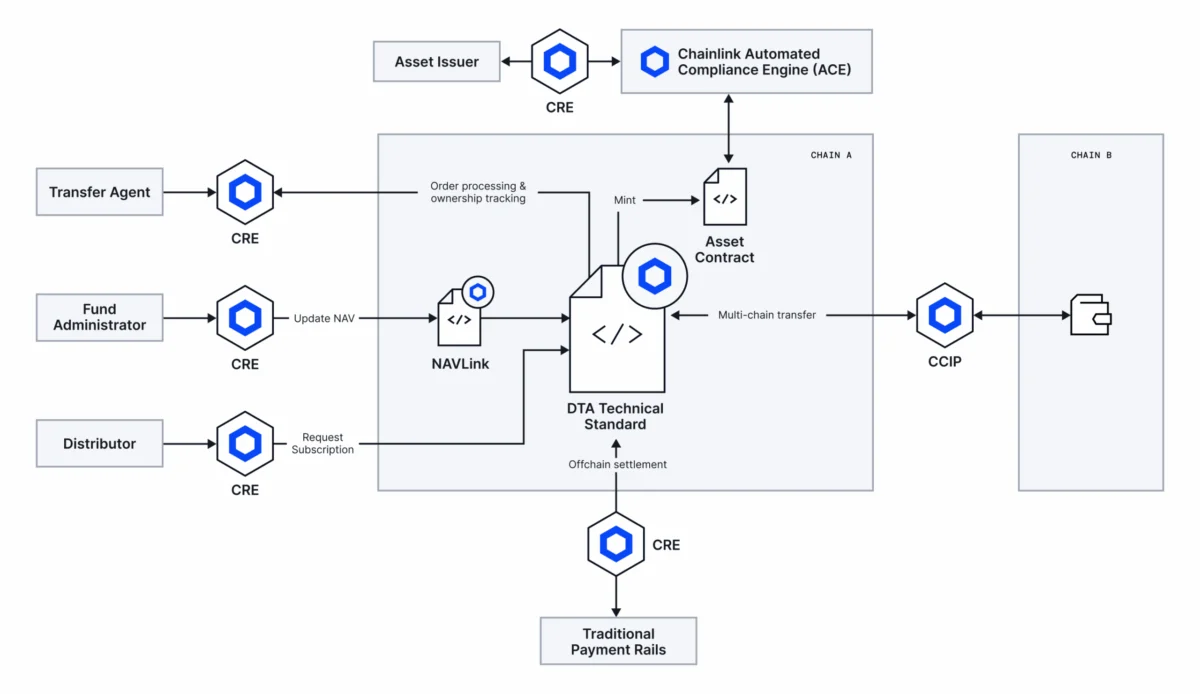
The United Kingdom is decisively transitioning into a practical phase for the integration of tokenized financial assets, moving beyond theoretical exploration to targeted, production-grade implementations. This strategic shift is underpinned by the UK’s robust capital markets, its globally influential asset management industry, and its enduring legacy as a hub for financial market infrastructure. Rather than viewing tokenization as a separate, speculative endeavor, the nation is positioning it as a fundamental evolution designed to enhance its existing financial ecosystem. This approach is meticulously guided by a proactive regulatory framework and driven by market participants eager to unlock efficiencies, improve connectivity, and modernize core operations.
The Global Race for Digital Assets and the UK’s Position
Globally, the financial industry is grappling with the transformative potential of blockchain technology and digital assets. From the European Union’s Markets in Crypto-Assets (MiCA) regulation to the United States’ ongoing efforts to define digital asset frameworks, and Singapore’s ambitious Project Guardian, major financial centers are vying to establish themselves as leaders in the digital asset space. The UK, with its deep-seated expertise in finance and a reputation for regulatory innovation, is uniquely positioned in this race. Its deliberate strategy seeks to integrate the benefits of tokenization—such as increased transparency, reduced settlement times, and automated compliance—into its established infrastructure, rather than pursuing a disruptive overhaul.
Current estimates suggest that tokenized assets could represent a multi-trillion-dollar market in the coming years. Boston Consulting Group and Polymath estimate the market for tokenized illiquid assets alone could reach $16 trillion by 2030. For a financial powerhouse like the UK, capturing a significant share of this growth is paramount to maintaining its competitive edge and global influence. The focus is on leveraging distributed ledger technology (DLT) to re-engineer existing financial instruments and processes, making them more efficient, resilient, and globally interconnected.
A Measured Regulatory Foundation: Fostering Innovation with Safeguards
A central tenet of the UK’s trajectory in tokenization has been the deep engagement from its primary regulatory bodies: the Financial Conduct Authority (FCA), HM Treasury, and the Bank of England. This tripartite approach has fostered a deliberately sequenced strategy, characterized by the issuance of detailed guidance, extensive public consultations, and the establishment of regulatory sandboxes. These mechanisms are designed to facilitate innovation while rigorously upholding the UK’s high standards for market conduct, consumer protection, and operational resilience.
The FCA, for instance, has actively explored the tokenization of funds, issuing discussion papers and seeking industry feedback on how existing regulatory frameworks can accommodate novel structures. Similarly, HM Treasury has been instrumental in shaping the broader legal and policy landscape, including proposals for a financial market infrastructure (FMI) sandbox. This sandbox is crucial, providing a controlled environment where firms can test innovative technologies and business models—including those involving DLT and tokenized securities—without being immediately constrained by the full breadth of existing regulations, provided they operate within defined parameters and under close supervisory scrutiny. The Bank of England has also played a pivotal role, particularly in examining the implications of DLT for wholesale payments and central bank digital currency (CBDC), signaling a comprehensive view of tokenization’s impact across the financial system.
This "test-and-learn" approach has been widely praised by industry participants for creating an environment of certainty and collaboration. It signifies a clear understanding from regulators that tokenization is not merely a technological novelty but a foundational shift with significant implications for market structure, liquidity, and risk management. This proactive engagement has allowed firms to invest in tokenization initiatives with greater confidence, knowing that regulatory guidance is evolving alongside technological advancements.
Market Momentum: Translating Vision into Action
The supportive regulatory environment has catalyzed a significant shift among market participants. Leading index providers, prominent asset managers, innovative fintech firms, and established infrastructure providers are moving beyond conceptual pilots. Their focus has sharpened on targeted, production-grade implementations that address tangible operational needs and deliver measurable benefits. This transition reflects a maturing understanding of tokenization’s potential, moving from speculative interest to strategic integration.
Institutions are increasingly recognizing that tokenization offers a powerful lever for efficiency and connectivity. In the UK context, this primarily involves re-engineering the operation of existing financial instruments—such as funds, equities, bonds, and reference data—by representing them on-chain. This paradigm shift creates unprecedented opportunities to automate processes that remain costly, manual, and fragmented in traditional finance. Post-trade operations, in particular, stand to benefit immensely from tokenization, offering pathways to streamline clearing and settlement, reduce counterparty risk, and enhance data dissemination across the entire value chain.
The global nature of London’s financial ecosystem amplifies these benefits. By improving the speed, accuracy, and consistency with which assets, data, and instructions flow across institutions, tokenization promises to reduce friction not only domestically but also across the complex international value chains that London intermediates. This doesn’t necessitate abandoning existing infrastructure entirely; rather, tokenization is being layered onto current systems, demanding robust integration between blockchain networks, traditional custodians, legacy data providers, and established compliance frameworks. The emphasis is on augmentation, not wholesale replacement.
The Critical Role of Infrastructure: Data, Compliance, and Interoperability
As tokenization initiatives mature in the UK, a consistent and paramount theme has emerged: the ultimate success of tokenized assets hinges less on the token itself and more on the robustness, reliability, and security of the underlying infrastructure. This infrastructure encompasses three critical pillars: high-quality market data, programmable compliance, and seamless interoperability.
Trusted Data On-Chain: Foundational to virtually every institutional financial activity, from portfolio construction to risk management, is access to high-quality, verifiable market data—including pricing, indices, and reference benchmarks. The ability to bring this trusted data directly onto blockchain networks is a game-changer for institutional adoption. A significant development in this area is the collaboration between FTSE Russell, a global index provider and part of the London Stock Exchange Group Business, and Chainlink. Through Chainlink’s DataLink service, FTSE Russell is publishing its global indices on-chain, making trusted benchmark data, which underpins trillions of pounds in assets, directly accessible to tokenized products. This initiative ensures that tokenized financial instruments can rely on the same authoritative inputs as their traditional counterparts, fostering confidence and consistency across hybrid systems. This move is indicative of a broader industry trend towards bridging the data gap between traditional financial markets and decentralized applications.
Programmable Compliance and Governance: UK institutions operate within some of the most robust governance and supervisory frameworks globally. Any tokenized asset must meet these same exacting expectations. Consequently, there is a burgeoning interest in developing programmable compliance and policy enforcement mechanisms that can operate effectively across diverse blockchain environments while remaining fully aligned with regulatory requirements. Infrastructure solutions such as Chainlink’s Automated Compliance Engine (ACE) exemplify this direction. ACE enables compliance rules, eligibility checks, and policy controls to be embedded directly into on-chain workflows, ensuring consistent enforcement across various networks. This capability is critical for maintaining regulatory oversight in a distributed ledger environment.
Further solidifying this commitment, market participants in the UK are actively working with Chainlink to align ACE with established regulatory frameworks for digital securities. These collaborations aim to build case management and regulatory reporting workflows on top of programmable compliance infrastructure. This holistic approach demonstrates how compliance, reporting, and governance can evolve in tandem with tokenization, without compromising the integrity and oversight that characterize the UK’s financial markets. The goal is to automate much of the compliance burden, reducing manual errors and increasing efficiency while simultaneously providing regulators with greater transparency and auditability.
Seamless Interoperability: In practice, tokenized assets in the UK will not exist in isolation. They will inevitably interact with multiple blockchains, legacy systems, and a diverse array of international counterparties. The fragmented nature of the current blockchain landscape, combined with the inherent challenges of integrating with traditional systems, underscores the critical need for standardized interoperability frameworks. Technologies like Chainlink’s Cross-Chain Interoperability Protocol (CCIP) and orchestration tools such as the Chainlink Runtime Environment (CRE) are increasingly viewed as indispensable enabling technologies. These protocols allow assets, data, and complex workflows to move securely and reliably across disparate environments, ensuring that tokenization can scale beyond isolated silos and contribute to a truly interconnected global financial system. Without robust interoperability, the promise of tokenization—particularly in a globally integrated market like the UK—would remain largely unfulfilled.
Industry Adoption: Leading Initiatives and Partnerships
The shift towards production-oriented use cases is evident across various segments of the UK financial ecosystem. These initiatives are focused on addressing specific market inefficiencies rather than broad, exploratory pilots, demonstrating a maturing understanding of DLT’s practical applications.
In the asset management and operations domain, global investment manager Schroders has been a prominent participant in the Corporate Actions Lifecycle Management (CALM) project. This initiative, led by Chainlink in collaboration with over twenty financial market participants, targets one of the most operationally complex and costly aspects of securities servicing: corporate actions processing. The current landscape is plagued by fragmented data flows, manual reconciliation, and significant operational risk. By leveraging blockchain-based workflows and verifiable data infrastructure, the CALM project aims to automate key lifecycle events, significantly improve data accuracy and timeliness, and ultimately reduce operational risk. This aligns perfectly with the UK market’s overarching emphasis on efficiency, transparency, and resilience.
Furthermore, at the nexus of traditional finance and decentralized finance (DeFi), Chainlink’s collaborations with leading DeFi protocols like Aave Labs and Euler Labs highlight another emerging direction. These efforts explore mechanisms to integrate institutional-grade data, stringent risk controls, and robust compliance considerations into on-chain lending and liquidity markets. For UK-based institutions operating globally, such integrations offer a regulated and secure pathway to access the programmability and efficiency of decentralized financial primitives, all while maintaining appropriate safeguards and adhering to institutional standards. This convergence represents a significant step towards unlocking new forms of capital efficiency and market access for traditional players.
Regulatory Framework: Enabling Gradual Scale
The UK’s regulatory philosophy has been a cornerstone of this measured progress. Rather than dictating specific technologies, regulators have consistently focused on defining desired outcomes—such as market integrity, consumer protection, and operational resilience—while affording firms the flexibility to innovate in how they meet these standards.
The FCA’s ongoing work on fund tokenization, coupled with proposals for a comprehensive financial market infrastructure sandbox, clearly signals an openness to innovation within well-defined boundaries. This pragmatic approach actively encourages institutions to invest in tokenization initiatives that are compatible with existing governance models, rather than forcing disruptive or unmanageable change. Within this adaptable framework, emerging infrastructure such as Chainlink’s Digital Transfer Agent (DTA) technical standard illustrates how core fund administration functions—including ownership records, transfer restrictions, and lifecycle events—can be automated and synchronized across both on-chain and traditional systems. Crucially, the DTA standard is designed to remain fully aligned with both regulatory mandates and operational requirements, demonstrating how DLT can enhance, rather than disrupt, fundamental financial processes.
An important benefit of this regulatory stance is its inherent support for interoperability with other jurisdictions. By focusing on outcomes and principles, the UK framework facilitates the participation of UK-based firms in global tokenized markets as international standards converge. This positions London as a critical node in the evolving global digital asset landscape, capable of interacting seamlessly with other progressive jurisdictions.
Implications for UK Decision Makers and the Future
For banks, asset managers, infrastructure providers, and policymakers alike, the discourse surrounding tokenization in the UK has unequivocally shifted from theoretical experimentation to practical execution. The strategic focus is now firmly on selecting infrastructure that can scale effectively, integrating digital assets into existing workflows, and ensuring that governance and risk management frameworks evolve in tandem with technological advancements.
Successful tokenization initiatives consistently emphasize the critical importance of trusted data, standardized connectivity, and the early integration of compliance considerations into design. Neutral infrastructure providers, which offer these essential capabilities without locking institutions into proprietary or closed ecosystems, are playing an increasingly pivotal role in the market’s development. Their ability to offer open, secure, and verifiable solutions is key to fostering broad institutional adoption and ensuring a level playing field.
The UK’s concerted effort to embed tokenization within its existing financial architecture, supported by a forward-thinking regulatory environment and driven by sophisticated market participants, positions it at the forefront of this global financial transformation. By prioritizing efficiency, data integrity, and interoperability, the UK is not merely embracing a new technology; it is strategically enhancing its competitive advantage and setting a benchmark for how established financial centers can successfully navigate the digital asset revolution. The journey from conceptual pilot to production-grade implementation is well underway, promising a more efficient, resilient, and interconnected financial future for the nation.