admin
admin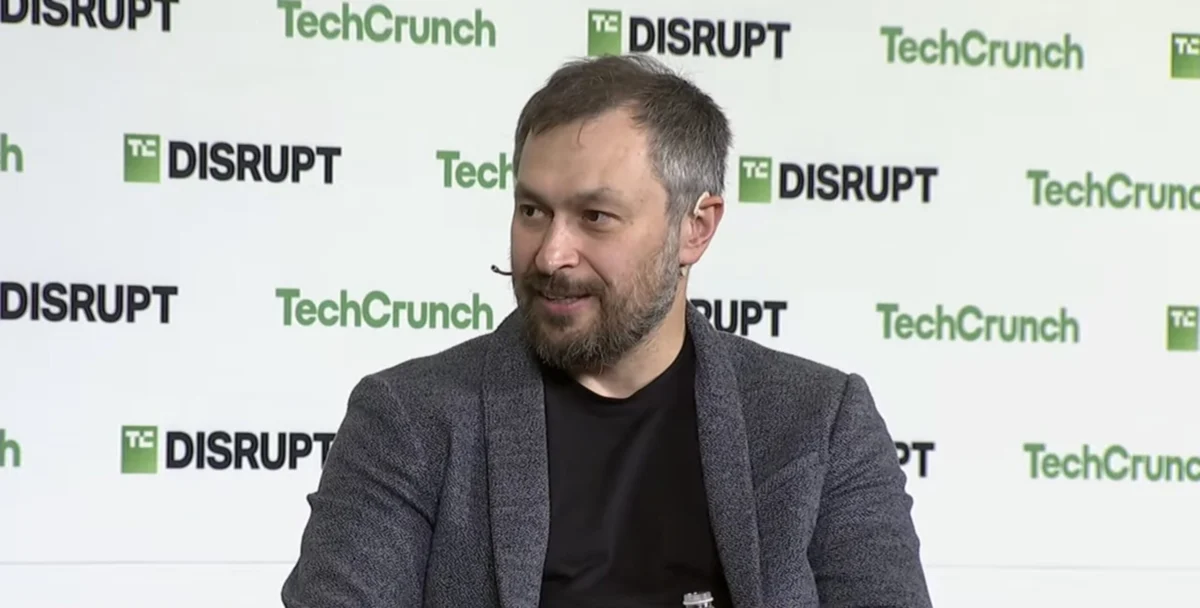
The landscape of software engineering is undergoing a fundamental transformation driven by the integration of agentic artificial intelligence, a shift that Solana Labs CEO Anatoly Yakovenko described as a "sea change" during his recent appearance at the TechCrunch Disrupt conference in San Francisco. Speaking to an audience of tech innovators and investors, Yakovenko, a veteran engineer with over 15 years of experience in high-performance systems, shared his evolving relationship with code development. He revealed that he has become increasingly comfortable delegating complex programming tasks to AI agents, specifically citing Anthropic’s Claude as a primary tool in his current workflow. This transition from active coder to high-level supervisor marks a significant milestone in the evolution of the developer role, signaling a broader industry trend where human expertise is increasingly utilized for oversight rather than manual execution.
Yakovenko’s insights come at a pivotal moment for Solana, the high-speed blockchain protocol he co-founded. While the cryptocurrency sector has faced a year of intense regulatory scrutiny and market fluctuations, Solana has emerged as a dominant force in decentralized finance (DeFi) and retail trading. The CEO’s willingness to "take a back seat" in software development tasks is not merely a personal preference but a reflection of the "force multiplier" effect that AI provides to seasoned experts. By utilizing agentic coding tools—AI systems capable of planning, executing, and debugging code autonomously—Yakovenko noted that he can now monitor the creative process in real-time, intervening only when he senses the logic is "going off the rails." This shift allows executive leadership to maintain technical proficiency while focusing on the strategic scaling of the Solana ecosystem.
The Evolution of Agentic Coding in Blockchain Development
The emergence of agentic AI represents a departure from earlier generative AI models that primarily functioned as sophisticated autocomplete tools. In the context of blockchain development, where security and precision are paramount, agentic tools are designed to handle multi-step reasoning and complex architectural decisions. For Yakovenko, the utility of these tools lies in their ability to process vast amounts of technical documentation and legacy code faster than any human developer. He admitted that his focus has shifted so significantly toward monitoring AI output that it often consumes his attention during executive meetings.
This technological adoption is particularly relevant for the Solana ecosystem, which is built on a unique architecture known as Proof of History (PoH). Developing for Solana has historically been considered more challenging than for other blockchains due to its use of the Rust programming language and its focus on parallel processing. AI agents lower the barrier to entry for developers and accelerate the pace of optimization for the core protocol. By acting as a "force multiplier," these tools allow Solana Labs to maintain a lean engineering team while managing a protocol that handles thousands of transactions per second.
Industry analysts suggest that Yakovenko’s transparency regarding his use of AI may encourage other technical founders to embrace similar workflows. However, the shift also raises questions about the future of entry-level engineering roles. If senior experts can use AI to perform the work of multiple junior developers, the traditional career path for software engineers may require significant restructuring to emphasize architectural oversight and AI management early in a developer’s career.
Financial Performance and the Institutionalization of Solana
Parallel to its technological evolution, Solana has demonstrated unprecedented financial resilience. Recent data indicates that the protocol generated approximately $2.85 billion in annual revenue, a figure largely driven by the explosive growth of decentralized exchanges (DEXs) and crypto trading platforms hosted on its network. This revenue milestone places Solana among the most profitable protocols in the digital asset space, challenging the long-standing dominance of Ethereum.
The institutional validation of Solana reached a new peak with the launch of the first Solana-based exchange-traded fund (ETF) by crypto asset manager Bitwise. Debuting just 24 hours before Yakovenko’s stage appearance, the Bitwise Solana ETF saw nearly $70 million in inflows during its first day of trading. This rapid capital injection signals a significant shift in investor sentiment, as traditional finance (TradFi) institutions seek exposure to Solana’s high-throughput capabilities.
During his keynote, Yakovenko attributed this success to a deepening understanding of blockchain technology within the conventional finance sector. He noted that back-office professionals in traditional banking are often the quickest to grasp the value proposition of crypto because they deal daily with the inefficiencies of legacy settlement systems. "Finance people deal with settlement risk all the time. They deal with banking risk all the time," Yakovenko explained. By offering near-instant finality and lower transaction costs, Solana addresses the core pain points of global finance, positioning itself as a viable alternative for the next generation of financial infrastructure.
Navigating Political Controversy and Public Bribery Allegations
Despite its financial and technical achievements, Solana has not been immune to the controversies surrounding the broader cryptocurrency industry. The protocol has recently faced intense criticism for its role in hosting "Trumpcoin," a digital asset that has reportedly directed an estimated $350 million to the former president. Critics and legal experts have raised concerns that such tokens could serve as vehicles for public bribery or illicit political influence, particularly following high-profile presidential pardons for controversial industry figures.
The pardons of Justin Sun, founder of the Tron protocol, and Changpeng Zhao (CZ), founder of Binance, have fueled a narrative that the crypto industry is seeking to bypass traditional legal frameworks through strategic political alliances. Critics argue that the massive financial flows directed toward political figures via Solana-hosted tokens represent a new and largely unregulated frontier of corporate lobbying.
When questioned about these ethical dilemmas, Yakovenko maintained a firm stance on the neutrality of the Solana protocol. He compared the blockchain to other foundational internet protocols, such as email (SMTP) or the web (HTTP). "I could send you an email with a link to Trumpcoin or Fartcoin," Yakovenko stated, emphasizing that as an open-source, decentralized protocol, Solana cannot—and should not—exercise centralized control over the types of assets created by its users. This "protocol-first" philosophy is a cornerstone of the decentralization movement, though it remains a point of contention for regulators who argue that platform operators should be held accountable for the activities they enable.
Chronology of Solana’s Recent Milestones
The current state of the Solana ecosystem is the result of a rapid series of developments over the past 24 months:
- Late 2024: Solana begins a sustained recovery in network activity following the collapse of major industry players, with a focus on improving network uptime and reliability.
- Early 2025: The introduction of "Firedancer," a new independent validator client, significantly enhances the network’s theoretical throughput and decentralization.
- Mid-2025: Solana Labs reports a surge in developer activity, coinciding with the internal adoption of agentic AI tools for protocol maintenance.
- October 12, 2026: Bitwise launches the first Solana ETF, securing $69.5 million in first-day inflows and signaling institutional "buy-in."
- October 13, 2026: Anatoly Yakovenko delivers the keynote at TechCrunch Disrupt, addressing the convergence of AI, finance, and decentralized governance.
Broader Impact and the Future of Open Protocols
The dual narrative of Yakovenko’s presentation—technological empowerment through AI and the ethical complexities of decentralized finance—highlights the growing pains of the Web3 era. As Solana continues to integrate with the global financial system, the tension between protocol neutrality and regulatory compliance is expected to intensify.
The success of the Solana ETF suggests that the "institutionalization" of crypto is well underway, but the allegations of "public bribery" via meme coins and political tokens present a significant reputational risk. If the industry is to achieve long-term stability, it must find a way to balance the permissionless nature of blockchain technology with the transparency requirements of modern democracy.
For software engineers, Yakovenko’s experience offers a glimpse into a future where the distinction between "manager" and "developer" becomes increasingly blurred. As agentic AI tools become more sophisticated, the value of human engineers will reside in their ability to provide "smell tests"—the intuitive recognition of when an automated system is deviating from its intended path.
In conclusion, Solana stands at a crossroads. Its technical performance and revenue growth indicate a platform that is ready for mainstream adoption, while its involvement in political and ethical debates underscores the need for a more robust dialogue regarding the responsibilities of decentralized protocol founders. Yakovenko’s pivot toward AI-assisted leadership may provide the necessary bandwidth to navigate these complex challenges, but the ultimate legacy of the Solana protocol will depend on how it manages the friction between its open-source ideals and the demands of a globalized, regulated economy.