admin
admin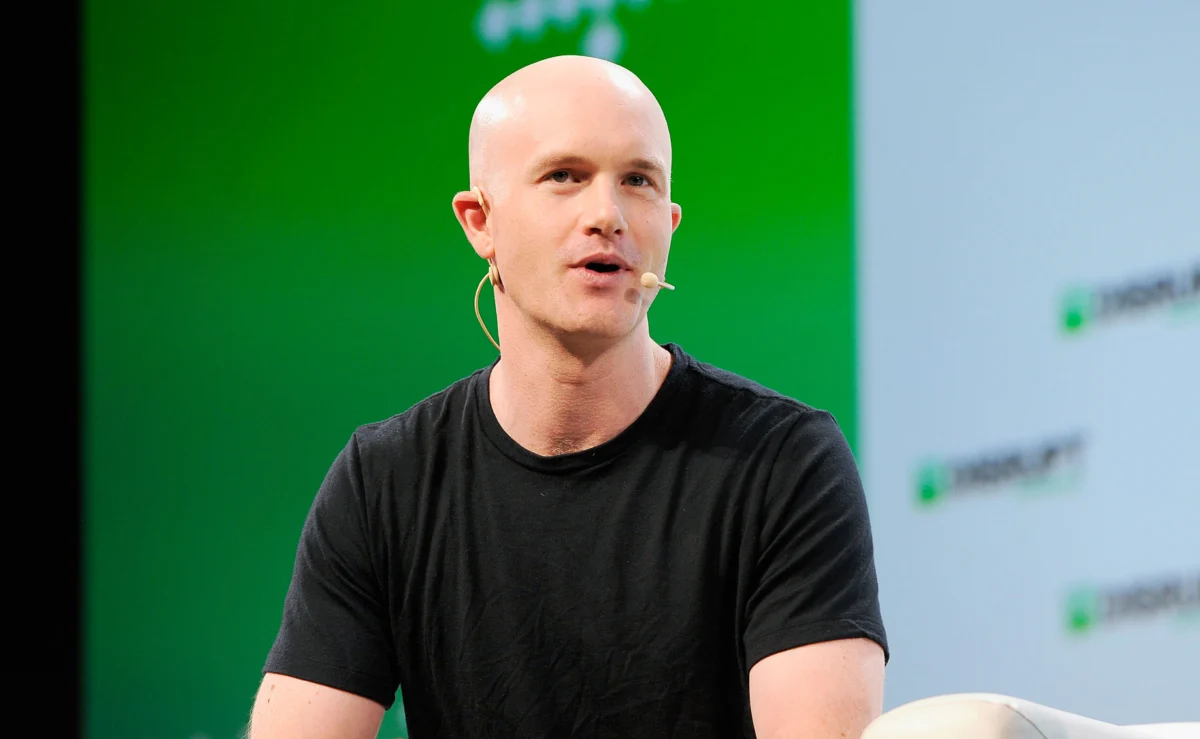
During the closing moments of Coinbase Global Inc.’s third-quarter earnings call on Thursday, Chief Executive Officer Brian Armstrong made a series of remarks that have since ignited a firestorm of debate regarding market integrity, the professionalization of the cryptocurrency industry, and the growing influence of prediction markets. Admitting to the analysts and investors on the line that he had been “a little bit distracted,” Armstrong revealed he was monitoring real-time wagers on prediction platforms concerning the specific vocabulary he would use during the broadcast. The incident, while framed by Armstrong as a lighthearted interaction with the crypto community, has drawn sharp criticism from institutional investment leaders who view the move as a setback for the industry’s mainstream credibility.
The Earnings Call Incident: A Spontaneous Diversion
The third-quarter earnings call, typically a highly regulated and choreographed event designed to provide transparency to shareholders, took an unconventional turn as Armstrong reached the end of his prepared remarks and the Q&A session. He informed listeners that his attention had been partially diverted by "mention markets"—a specific subset of prediction markets where participants bet on whether certain words or phrases will be uttered by a public figure during a high-profile event.
“And I just want to add here the words Bitcoin, Ethereum, Blockchain, Staking, and Web3 to make sure we get those in before the end of the call,” Armstrong stated. The list of words was not delivered as part of a strategic update or a response to a financial query, but rather as a deliberate attempt to trigger specific outcomes on platforms such as Polymarket and Kalshi.
Armstrong later addressed the stunt on the social media platform X (formerly Twitter), characterizing it as a spontaneous decision. “Lol this was fun—happened spontaneously when someone on our team dropped a link in the chat,” he wrote. While the CEO appeared to view the moment as a harmless nod to the culture of the digital asset space, the financial implications for those betting on the call were immediate and quantifiable.
The Rise of Mention Markets and Prediction Platforms
The phenomenon of "mention markets" has surged in popularity throughout 2024 and 2025, driven largely by the high-stakes political and financial environment. Platforms like Polymarket, a decentralized prediction market built on the Polygon blockchain, and Kalshi, a regulated exchange based in the United States, allow users to buy and sell shares in the outcome of future events. While these markets often focus on election results or Federal Reserve interest rate decisions, they have increasingly diversified into "meta-commentary" on corporate behavior.
According to data reported by Bloomberg, approximately $84,000 had been wagered across various prediction markets on whether Armstrong would mention specific keywords during the Q3 call. By listing the terms "Bitcoin, Ethereum, Blockchain, Staking, and Web3" in rapid succession, Armstrong directly influenced the resolution of these contracts, ensuring that "Yes" bets paid out for those specific terms.
The incident highlights a growing vulnerability in prediction markets: the "insider influence" factor. Unlike sports betting, where a coach or player is strictly prohibited from influencing gambling outcomes, the legal and ethical boundaries for corporate executives interacting with prediction markets are still being defined. The ease with which Armstrong was able to manipulate the outcome of these wagers—simply by speaking five words—serves as a case study for critics who argue that mention markets are inherently prone to manipulation by the very subjects they track.
Institutional Backlash and Industry Reputation
The reaction from the professional investment community was swift and largely critical. Jeff Dorman, the Chief Investment Officer at digital assets investment firm Arca, became one of the most vocal detractors of Armstrong’s actions. In a post on X, Dorman expressed frustration over what he perceived as a lack of maturity from the leader of the largest U.S.-based cryptocurrency exchange.
“You need your head examined if you think it’s cute or clever or savvy that the CEO of the biggest company in this industry openly manipulated a market,” Dorman wrote. He argued that such stunts undermine the years of effort spent by advocates trying to convince institutional investors that cryptocurrency is a serious, investable asset class.
“It’s not fun working tirelessly for 8 years trying to educate institutional investors on the value of crypto investing as an investable asset class, and working to help them gain comfort in this industry, while one of the supposed ‘leaders’ openly mocks the industry with crap like this,” Dorman added.
The divide reflects a long-standing tension within the crypto world: the "degen" culture of high-risk, meme-driven speculation versus the "institutional" push for regulatory compliance, stability, and traditional corporate governance. For many in the latter camp, Armstrong’s behavior felt like a regression to an era of "crypto-cowboy" antics that the industry has been trying to move past since the collapses of FTX and Celsius.
Coinbase’s Strategic Interest in Prediction Markets
The irony of the situation is compounded by Coinbase’s own strategic initiatives. The company has been aggressively expanding its "Everything Exchange" vision, which aims to integrate a wide variety of financial products beyond simple spot trading. This includes a foray into supporting prediction markets directly.
Furthermore, Coinbase has a vested financial interest in the success of the very platforms Armstrong influenced. The company has previously invested in both Kalshi and Polymarket, positioning itself as a major stakeholder in the growth of the prediction market ecosystem. Polymarket, which has seen its valuation soar to $8 billion following significant backing from NYSE and other major players, reacted to Armstrong’s comments on X, calling the CEO’s stunt “diabolical work.”
In response to the growing controversy, a Coinbase spokesperson told Bloomberg that the company maintains strict internal policies regarding employee conduct. The spokesperson emphasized that Coinbase prohibits its employees from participating in prediction markets or any related activities that involve the company’s own performance or public appearances. However, the policy does not explicitly address the CEO’s ability to influence the outcome for external participants.
Chronology of the Event and Its Aftermath
The timeline of the incident reveals how quickly digital markets react to executive behavior in the modern era:
- Thursday, 4:00 PM ET: Coinbase releases its Q3 2025 earnings report. The initial focus is on the company’s financial health and its efforts to diversify revenue through subscription and services.
- Thursday, 5:15 PM ET: Near the conclusion of the earnings call, Armstrong admits to being distracted by a prediction market link shared by his team.
- Thursday, 5:17 PM ET: Armstrong recites the list of five keywords, effectively settling thousands of dollars in "mention market" wagers.
- Thursday, 6:00 PM ET: Polymarket and Kalshi traders begin discussing the payout, while critics on social media begin questioning the ethics of the move.
- Thursday Evening: Jeff Dorman (Arca) and other industry leaders post public rebukes, sparking a wider debate on market manipulation.
- Friday Morning: Armstrong clarifies on X that the moment was "fun" and "spontaneous," while Coinbase’s PR team moves to distance the company from any suggestion of policy violations.
Broader Implications for Corporate Governance
The Armstrong incident raises significant questions for the future of corporate communications. If CEOs begin to view earnings calls as interactive events where they can influence secondary gambling markets, the traditional utility of these calls as sober financial disclosures could be compromised.
From a regulatory perspective, the Securities and Exchange Commission (SEC) and the Commodity Futures Trading Commission (CFTC) have already been scrutinizing prediction markets. While the CFTC has historically been skeptical of event-based betting, recent court rulings—including a significant victory for Kalshi—have opened the door for these markets to operate more freely in the U.S. Armstrong’s "stunt" could potentially provide regulators with the ammunition they need to argue for stricter oversight, citing the ease with which "insider" figures can dictate market outcomes.
Moreover, the event highlights the "gamification" of finance. As retail investors become more accustomed to betting on every aspect of a company’s existence—from its earnings per share to the specific words its CEO uses—the boundary between investing and gambling continues to blur.
For Coinbase, a company currently fighting multiple legal battles with the SEC over the classification of digital assets, the optics of the CEO "manipulating" a niche market for "fun" may complicate its broader narrative of being a compliant, "crypto-first" bridge to the traditional financial world. As the industry looks toward 2026, the fallout from this earnings call may serve as a turning point in how executives are expected to conduct themselves in the increasingly interconnected world of social media, prediction markets, and high-finance.