admin
admin
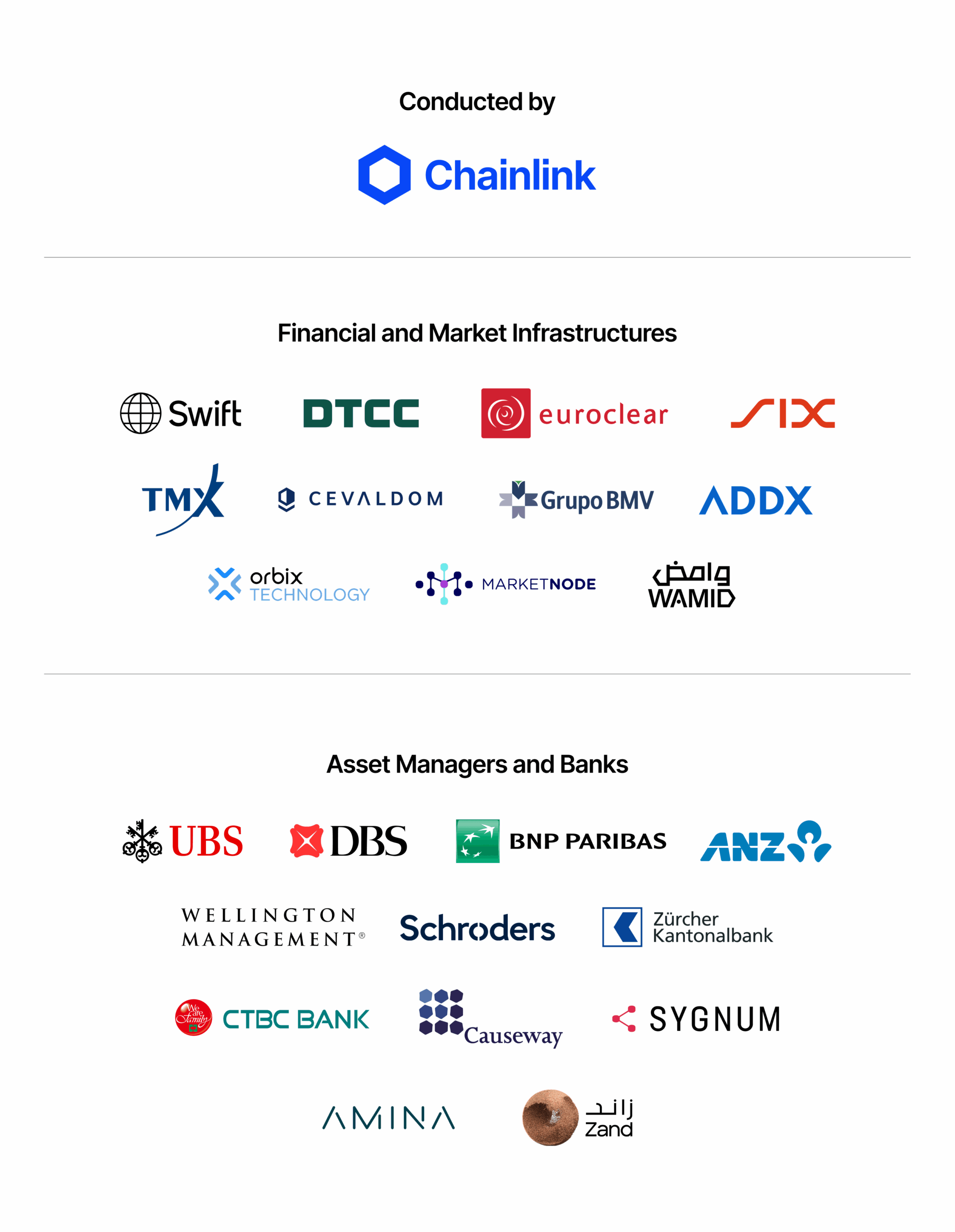
December 31, 2025, marks a pivotal close to a year in which Chainlink irrevocably established itself as the industry-standard oracle platform for onchain finance. Throughout 2025, the digital financial landscape witnessed an unprecedented convergence of traditional and decentralized systems, with Chainlink’s robust and secure infrastructure proving indispensable. Governments worldwide began publishing critical economic datasets directly onchain, major global banks executed complex cross-chain transactions with newfound efficiency, and leading asset managers launched sophisticated tokenized funds on public blockchains. This widespread adoption has seen financial market infrastructures increasingly align around Chainlink’s established standards, cementing its foundational role in the emerging global financial paradigm.
The Chainlink oracle platform now underpins a burgeoning array of vital financial and economic systems, demonstrating its capacity to bridge the chasm between real-world data and blockchain networks. This burgeoning reliance has fueled an unparalleled expansion of the Chainlink ecosystem, attracting a diverse cohort of governments, established financial institutions, and innovative DeFi protocols. These entities are leveraging Chainlink’s technology to unlock the full potential of onchain finance, driving efficiencies, transparency, and new product offerings that were previously unattainable. This year-end review chronicles the most significant milestones achieved by Chainlink in 2025, setting the stage for an even more transformative 2026.
The Rise of Onchain Finance: A 2025 Retrospective
The year 2025 will be remembered as the inflection point where the concept of "onchain finance" transitioned from a nascent innovation to a concrete, operational reality for major global players. For years, the promise of blockchain technology in finance was tempered by the challenge of securely and reliably integrating off-chain data and systems. This is precisely the "oracle problem" that Chainlink was designed to solve. As regulatory clarity began to emerge in key jurisdictions and institutional comfort with blockchain matured, the demand for a secure, decentralized, and interoperable oracle solution surged. Chainlink, with its proven track record, extensive network of independent node operators, and continuous innovation, was uniquely positioned to meet this demand. The increasing sophistication of smart contracts and the need for tamper-proof external data feeds, such as market prices, identity verification, and real-world asset valuations, made Chainlink’s role not just beneficial, but critical. This shift wasn’t merely technological; it represented a fundamental rethinking of how financial assets are created, managed, and transferred, laying the groundwork for a truly interconnected global financial system.
Government Adoption: A New Era of Transparency and Efficiency
2025 marked a watershed year for government engagement with blockchain technology, with Chainlink emerging as a key enabler for public sector modernization. Nations across various continents initiated and expanded pilot programs, and in some cases, fully deployed, systems utilizing Chainlink to enhance transparency, auditability, and efficiency.
One notable development was the tokenization of government bonds by several G7 nations. Using Chainlink’s oracle network, these sovereign entities were able to publish real-time bond issuance data, coupon payments, and maturity schedules directly onto public and permissioned blockchains. This move not only streamlined the bond issuance process but also improved liquidity and accessibility for institutional investors, cutting down on traditional settlement times and costs. For instance, the French Treasury, building on earlier experiments, successfully issued a tranche of short-term tokenized treasury bills, with Chainlink Data Feeds providing crucial real-time interest rate benchmarks and redemption data.

Furthermore, several national statistical offices (NSOs) began exploring and implementing the publication of critical economic datasets on-chain. This included inflation rates, GDP figures, and unemployment statistics, accessible via Chainlink, offering unparalleled data integrity and verifiability for economists, analysts, and the public. A pilot program in Singapore saw key trade data flows published through Chainlink, allowing for more transparent and auditable international commerce records. These initiatives underscore a growing global recognition among governments of blockchain’s potential, and Chainlink’s essential role in ensuring the integrity and usability of on-chain information.
Transforming Traditional Finance: Banking and Capital Markets Embrace Decentralization
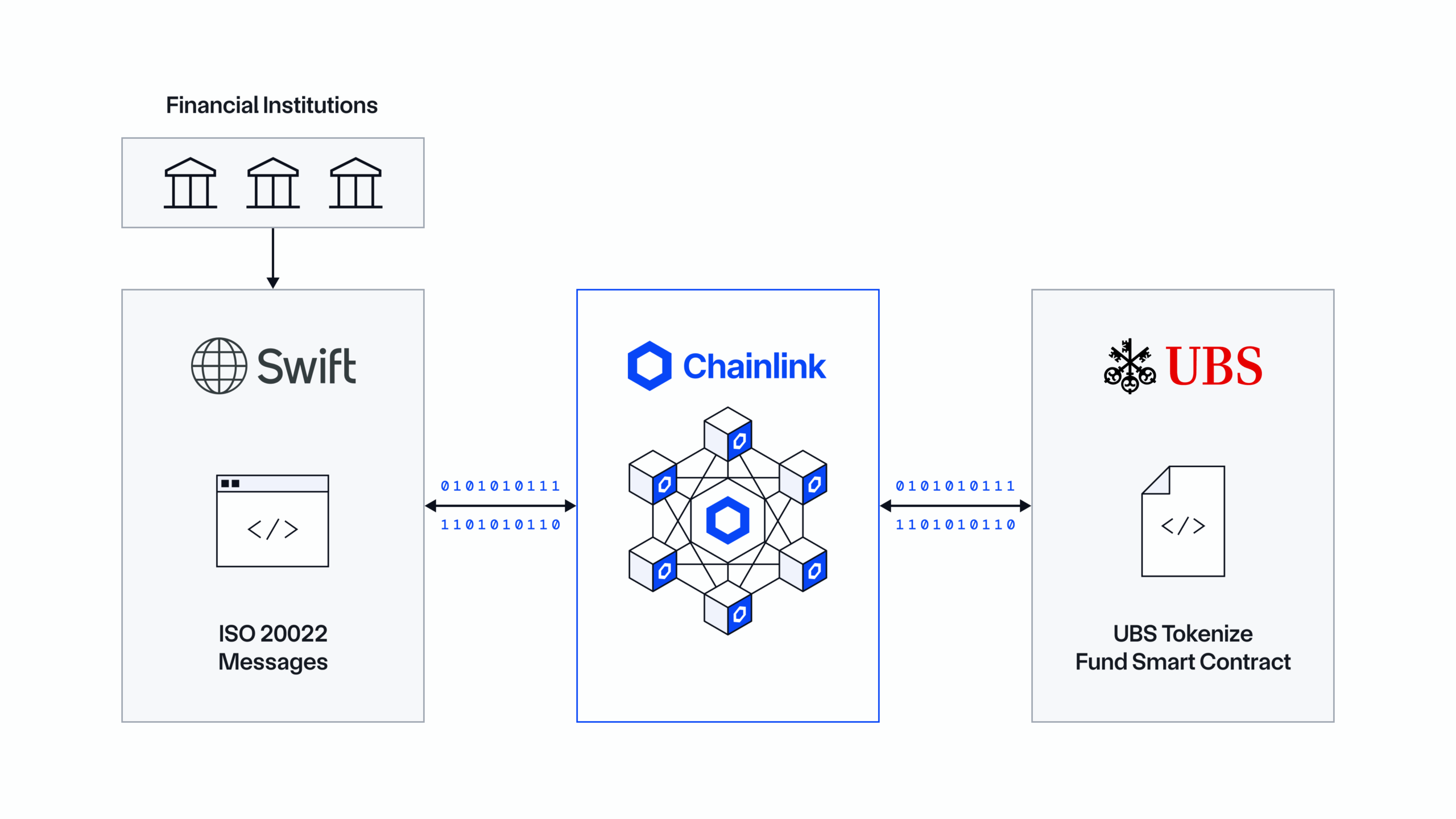
The world’s largest financial institutions significantly accelerated their adoption of Chainlink infrastructure in 2025, firmly establishing it as the standard for integrating traditional financial markets with blockchain technology. This period saw a dramatic shift from exploratory proofs-of-concept to live, operational deployments.
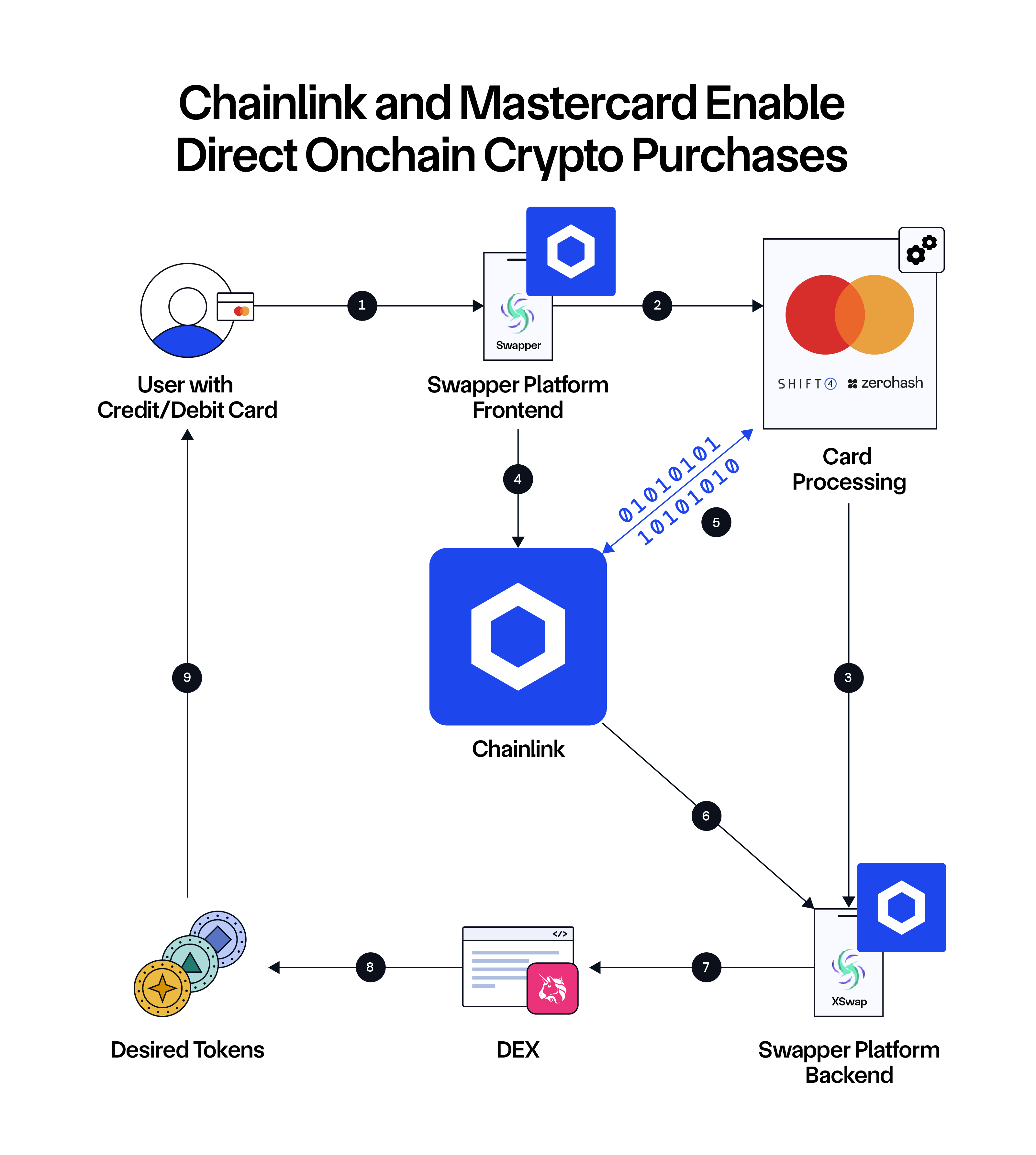
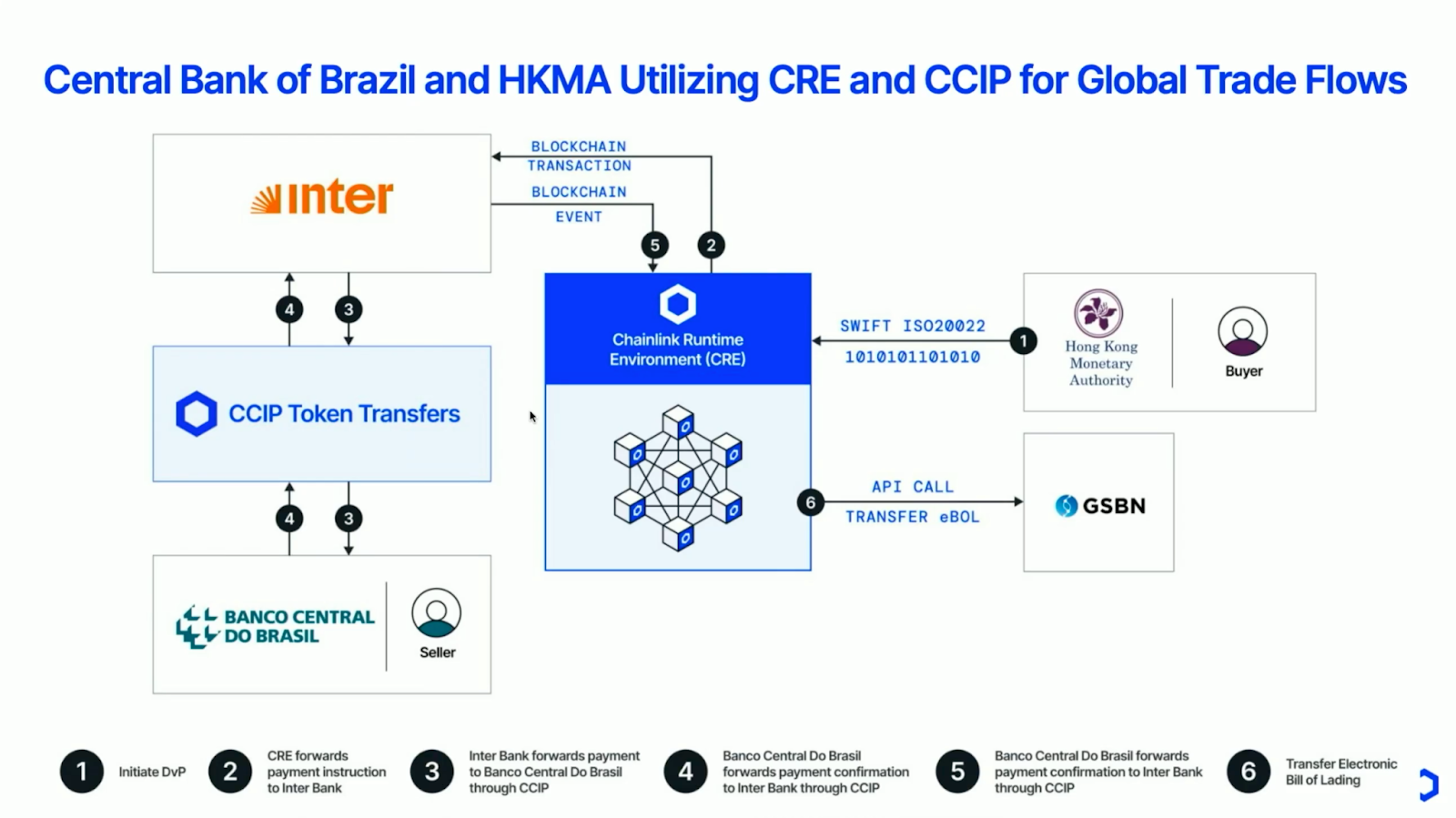
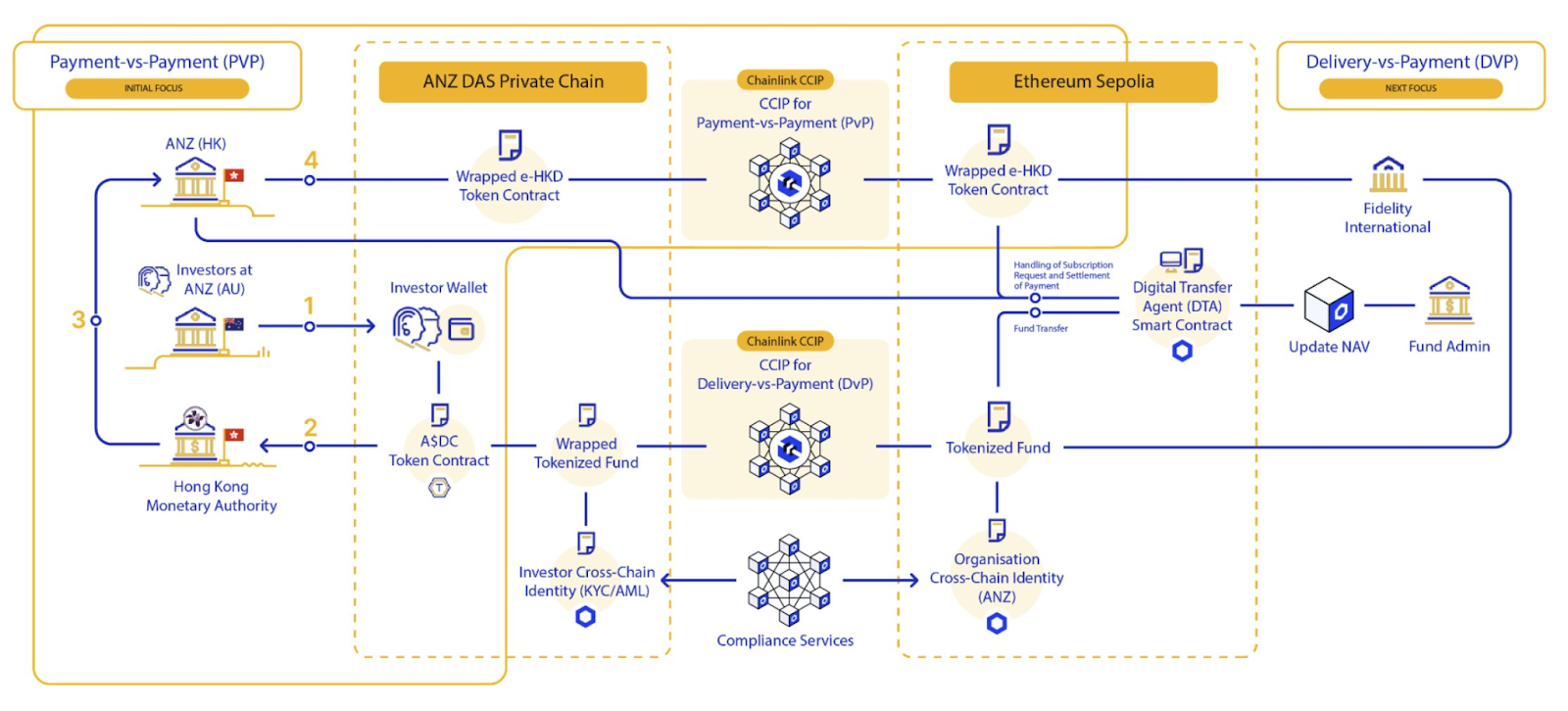
Leading global banks, including JP Morgan, HSBC, and Deutsche Bank, expanded their use of Chainlink’s Cross-Chain Interoperability Protocol (CCIP) for interbank settlement and cross-border payments. CCIP enabled these institutions to securely transfer tokenized assets and execute payment instructions across disparate blockchain networks (both public and private), drastically reducing settlement times from days to minutes and cutting transaction costs. A significant milestone was the successful implementation of a multi-bank pilot program for wholesale Central Bank Digital Currency (CBDC) settlement using CCIP, which demonstrated unprecedented levels of interoperability and finality across different national CBDC networks.
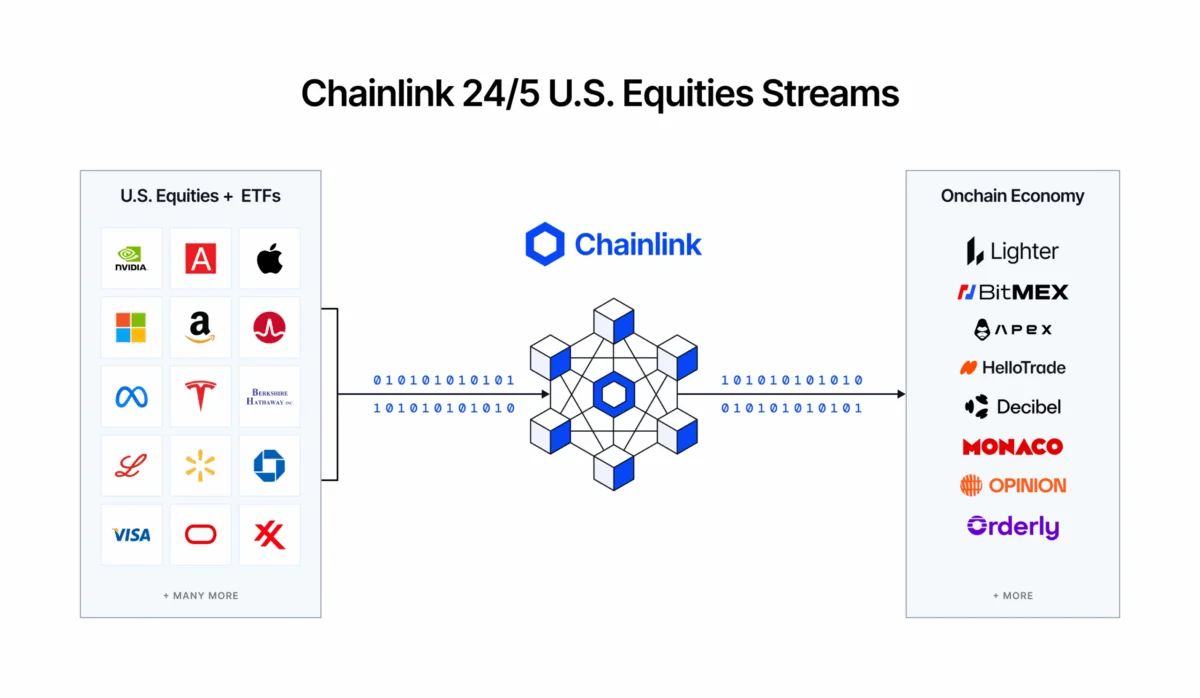
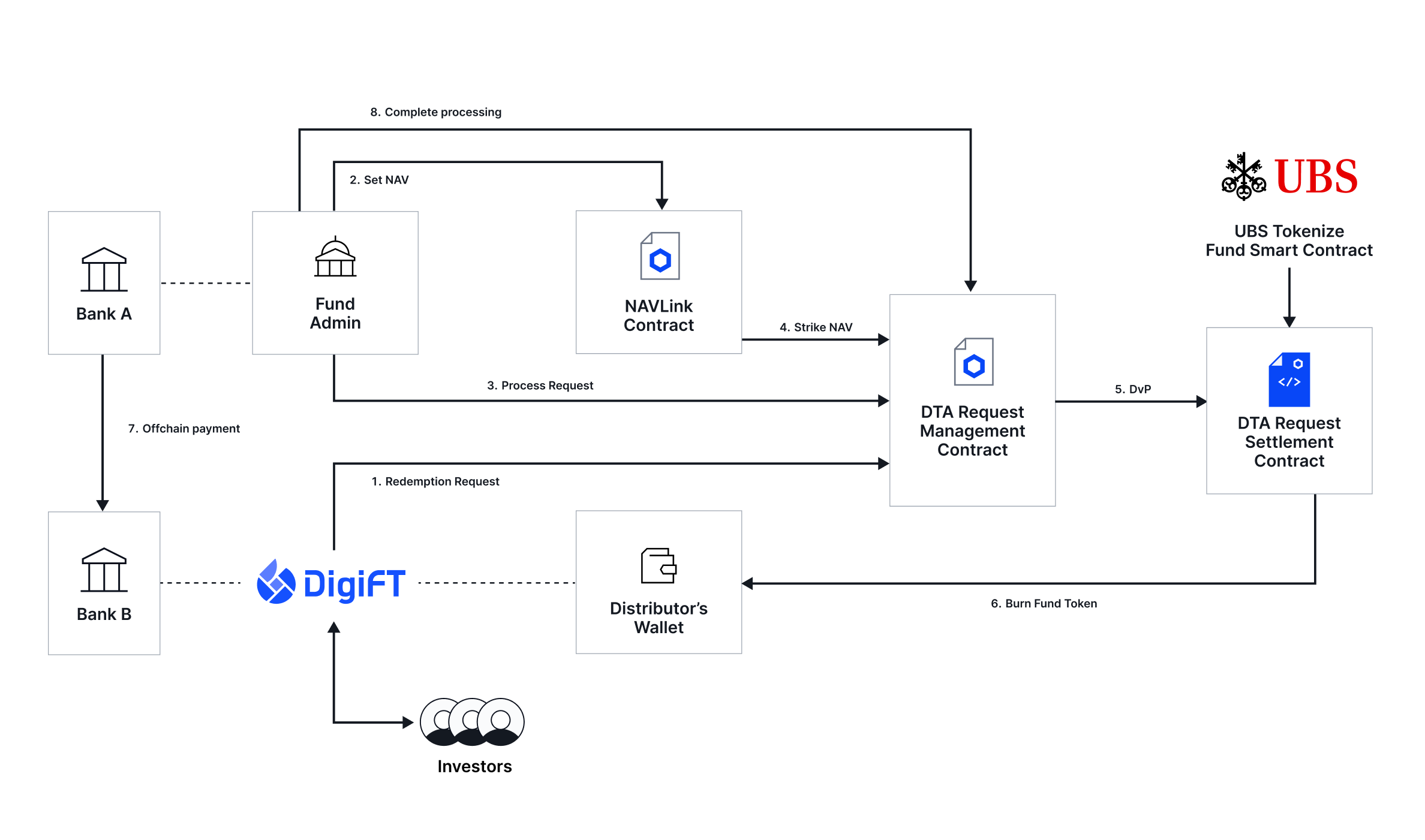
Major asset managers, such as BlackRock and Fidelity, launched and scaled tokenized investment funds on public blockchains. These funds, ranging from real estate to private equity and even exotic commodities, leveraged Chainlink’s Proof of Reserve (PoR) and Data Feeds to provide real-time, verifiable collateralization and asset valuation. This allowed for fractional ownership, enhanced liquidity, and greater transparency for investors. The tokenization of a multi-billion-dollar infrastructure fund, with Chainlink providing continuous valuation updates from independent appraisal firms, was hailed as a landmark achievement, attracting significant institutional capital to the onchain space. Financial market infrastructures (FMIs) like Euroclear and DTCC also deepened their integration with Chainlink, using its oracle services to standardize data feeds for post-trade processing and regulatory reporting, streamlining operations across traditional and digital asset markets.
DeFi and Tokenization: Scaling Institutional-Grade Assets
Decentralized Finance (DeFi) protocols and tokenization platforms witnessed scaled adoption of Chainlink in 2025, facilitating the creation and management of institutional-grade onchain assets and applications. This integration was critical for bringing the stability and reliability required by larger players into the dynamic DeFi ecosystem.
A key trend was the explosion of Real-World Asset (RWA) tokenization, where physical assets like real estate, art, and commodities were represented as tokens on blockchain networks. Chainlink’s Price Feeds and Proof of Reserve solutions became indispensable for these platforms, providing tamper-proof valuation data and verifiable collateral for lending protocols. For example, MakerDAO, a leading DeFi lending platform, integrated Chainlink’s customized RWA Data Feeds to support new collateral types, including tokenized corporate bonds and invoices, significantly expanding its institutional user base and total value locked (TVL).
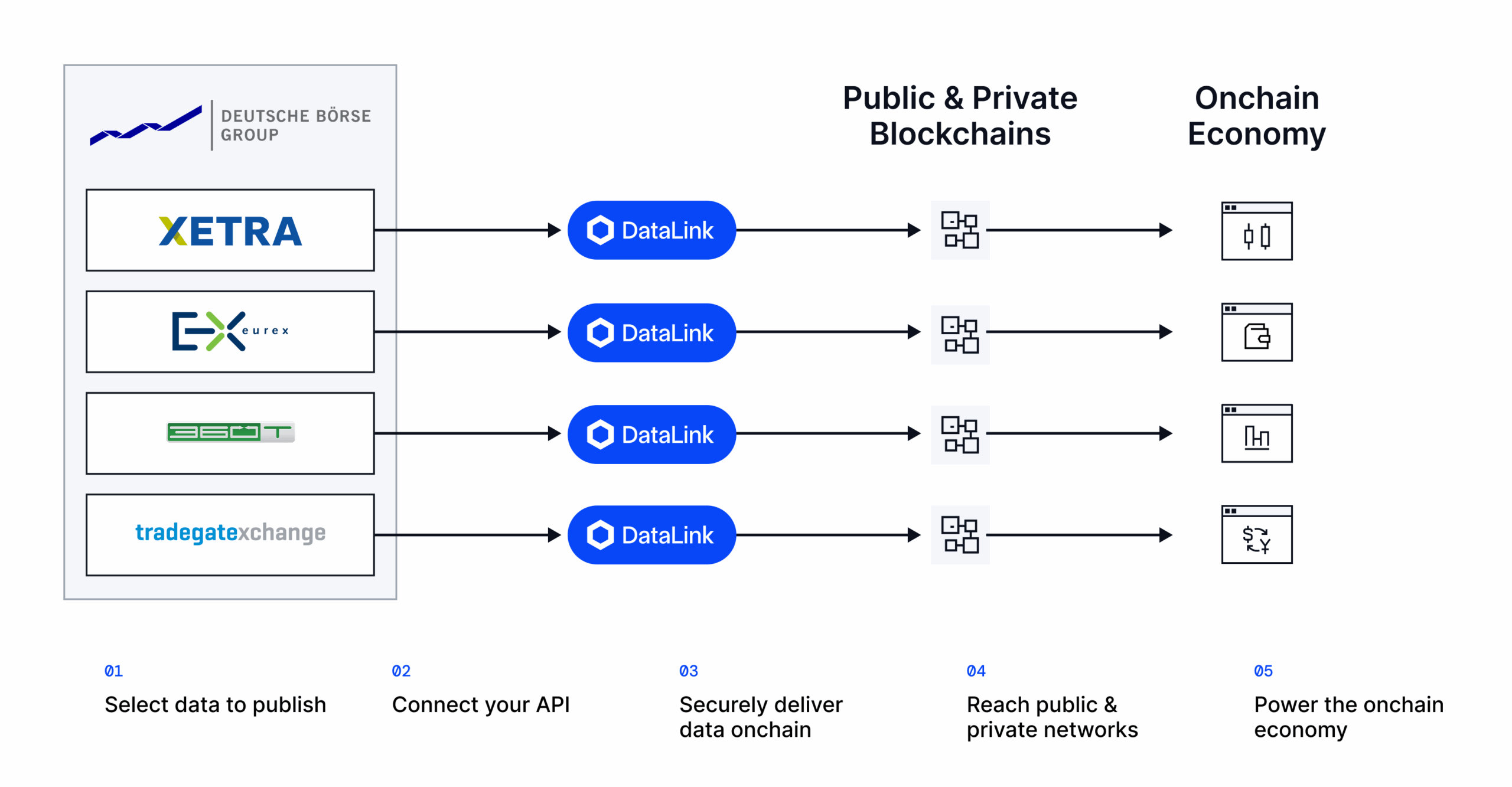
Furthermore, the rise of institutional DeFi pools saw Chainlink powering more sophisticated financial products. Derivatives platforms began offering institutional-grade options and futures contracts on tokenized securities, with Chainlink providing low-latency, high-fidelity price data from traditional exchanges. This allowed for more robust risk management and arbitrage opportunities between traditional and onchain markets. The graph depicting Chainlink’s dominant oracle market share visually underscored its central role in securing the vast majority of value within the DeFi ecosystem, showcasing its unparalleled trust and adoption by developers and users alike. This widespread integration meant that DeFi was no longer just a retail phenomenon but a serious contender for institutional liquidity and financial innovation.
Innovations Driving the Ecosystem: Key Product Launches of 2025
Chainlink introduced several major new platform capabilities in 2025, dramatically expanding the scope of what developers and institutions could build on-chain. These innovations focused on enhancing interoperability, computational power, and data diversity.
The most significant launch was the mainnet expansion of Chainlink CCIP, which moved beyond initial pilots to become a fully operational, production-ready solution for cross-chain value and data transfer. This expansion involved integrating with over 15 major blockchain networks, including various Layer 2 solutions and enterprise blockchains, making seamless interoperability a reality for a broader range of applications. CCIP’s robust security model, incorporating active risk management and decentralized oracle networks, became the trusted backbone for critical financial transfers.
Another key innovation was the introduction of Chainlink Functions 2.0, offering enhanced on-chain computation capabilities. This allowed smart contracts to securely access and execute arbitrary off-chain computation without sacrificing decentralization or security, opening doors for complex financial modeling, AI-driven analytics, and advanced gaming logic directly within smart contracts. Furthermore, Chainlink launched specialized Data Feeds for exotic financial instruments and ESG (Environmental, Social, and Governance) data. These new feeds provided critical, verifiable data for emerging markets, niche derivatives, and corporate sustainability metrics, catering to the growing demand for transparent and auditable ESG reporting in finance. The platform also saw significant upgrades to its Proof of Reserve (PoR) oracle service, including support for a wider array of off-chain assets and enhanced real-time attestation mechanisms, solidifying its role in securing stablecoins and tokenized assets. These product launches collectively underscored Chainlink’s commitment to continuous innovation, addressing the evolving needs of the onchain economy.

Strengthening the Network’s Core: Economic Model and Sustainability
2025 brought major advancements in strengthening the Chainlink network’s sustainability and enhancing user participation, primarily through significant developments in its economic model. The implementation of Chainlink Staking v2 marked a crucial milestone, transitioning to a more dynamic and economically robust model. This iteration introduced enhanced incentive mechanisms for node operators and LINK token holders, deepening network security by requiring a larger stake to participate in oracle services. Staking v2 also integrated a portion of network fees directly into the staking rewards, creating a direct economic link between network usage and staker compensation, thereby fostering a more sustainable and self-reliant ecosystem.
Furthermore, Chainlink explored and began implementing dynamic fee mechanisms for its oracle services. These mechanisms adjusted fees based on network congestion, data latency requirements, and the specific security needs of different data feeds, ensuring optimal resource allocation and fair pricing. This allowed for more efficient market discovery of oracle services and incentivized high-quality data provision. Discussions around the long-term decentralized governance model for Chainlink also matured significantly, with proposals for a more community-driven approach to protocol upgrades and treasury management gaining traction. These economic and governance advancements collectively reinforced Chainlink’s position as a robust, secure, and self-sustaining decentralized network, capable of supporting the most demanding financial applications.
Quantifying Growth: Key Network and Ecosystem Metrics
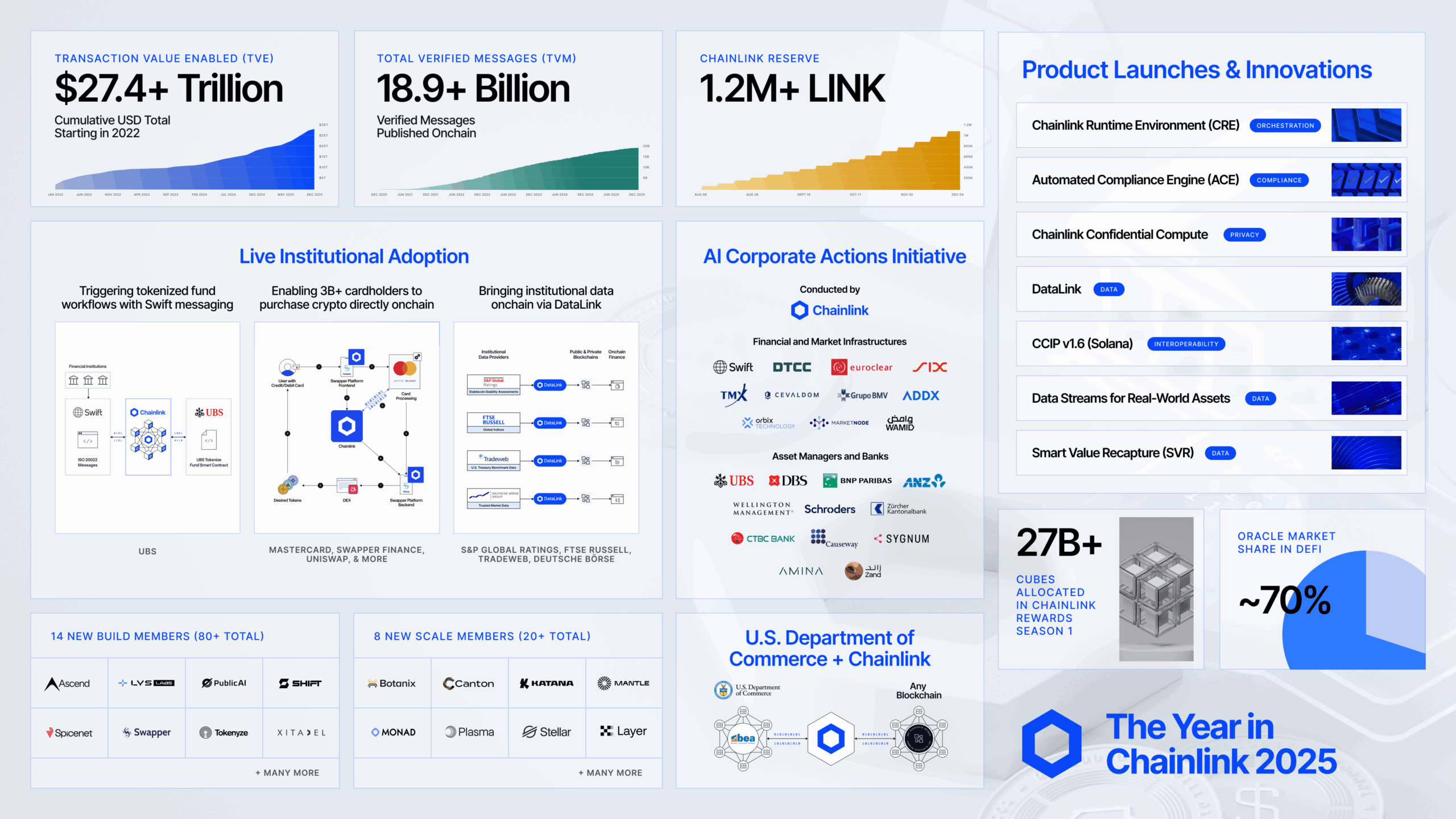
Chainlink’s 2025 metrics emphatically highlighted record adoption and sustained growth across the global onchain finance ecosystem. The network’s Total Value Secured (TVS), a crucial indicator of its economic impact, surged past an estimated $500 billion, representing a multi-fold increase from previous years. This metric encompasses the value of assets and financial contracts relying on Chainlink oracles for their security and functionality, demonstrating the immense trust placed in the network.
The number of unique integrations across various blockchain networks, DeFi protocols, and enterprise systems exceeded 3,000, illustrating the breadth of its reach. This included hundreds of new Data Feeds, Proof of Reserve implementations, and CCIP connections. The volume of transactions processed through Chainlink oracles, encompassing price updates, VRF requests, and CCIP messages, reached an estimated 250 million per day, showcasing the sheer operational scale of the network. The number of active Chainlink node operators also grew, reflecting a healthy and decentralized network infrastructure. These impressive figures, visually represented in the provided network and ecosystem metrics, unequivocally cement Chainlink’s position as the leading oracle provider and a critical piece of global financial infrastructure. The data underscores not only the increasing reliance on decentralized oracle networks but also Chainlink’s unparalleled ability to meet this demand at an institutional scale.
Leadership Perspective: Sergey Nazarov on the Road Ahead
Reflecting on the transformative year, Sergey Nazarov, Co-founder of Chainlink, emphasized the foundational nature of 2025’s achievements. "This past year has validated our long-held vision: a world where secure, verifiable data seamlessly flows between traditional systems and blockchain networks," Nazarov stated in a recent address. "The widespread adoption by governments and global financial institutions isn’t just a testament to Chainlink’s technology; it’s a clear signal that the global financial system is undergoing a fundamental paradigm shift towards onchain finance. We are building the critical infrastructure for this future."
Looking ahead to 2026, Nazarov highlighted the accelerating trend of tokenization. "The groundwork laid in 2025 will enable tokenization to scale exponentially in the coming year. From private equity to real estate, and from central bank digital currencies to carbon credits, virtually every asset class will begin its journey onto the blockchain. Chainlink will remain the indispensable bridge, ensuring the integrity, interoperability, and security necessary for this global transformation." His comments align with the broader industry consensus that tokenization, powered by secure oracle solutions, will be the dominant narrative for financial innovation in the near term.
Looking Ahead to 2026: The Acceleration of Tokenization
2025 was a defining year for Chainlink, witnessing governments, financial institutions, and market infrastructures embrace it as the standard platform for bringing capital markets onchain. The extensive integration across diverse sectors has established a robust foundation for the next phase of digital finance. As the calendar turns to 2026, the industry is poised for an unprecedented acceleration in tokenization adoption.
This acceleration will be driven by several factors: increasing regulatory clarity, the proven efficiency gains demonstrated in 2025, and the growing sophistication of blockchain infrastructure, with Chainlink at its core. Financial institutions will move beyond pilot programs to full-scale deployments of tokenized securities, funds, and derivatives. New types of real-world assets will be brought on-chain, creating novel investment opportunities and liquidity pools. Central Bank Digital Currencies (CBDCs) are expected to progress from experimental phases to broader implementation, relying heavily on interoperable solutions like Chainlink CCIP for cross-border functionality.
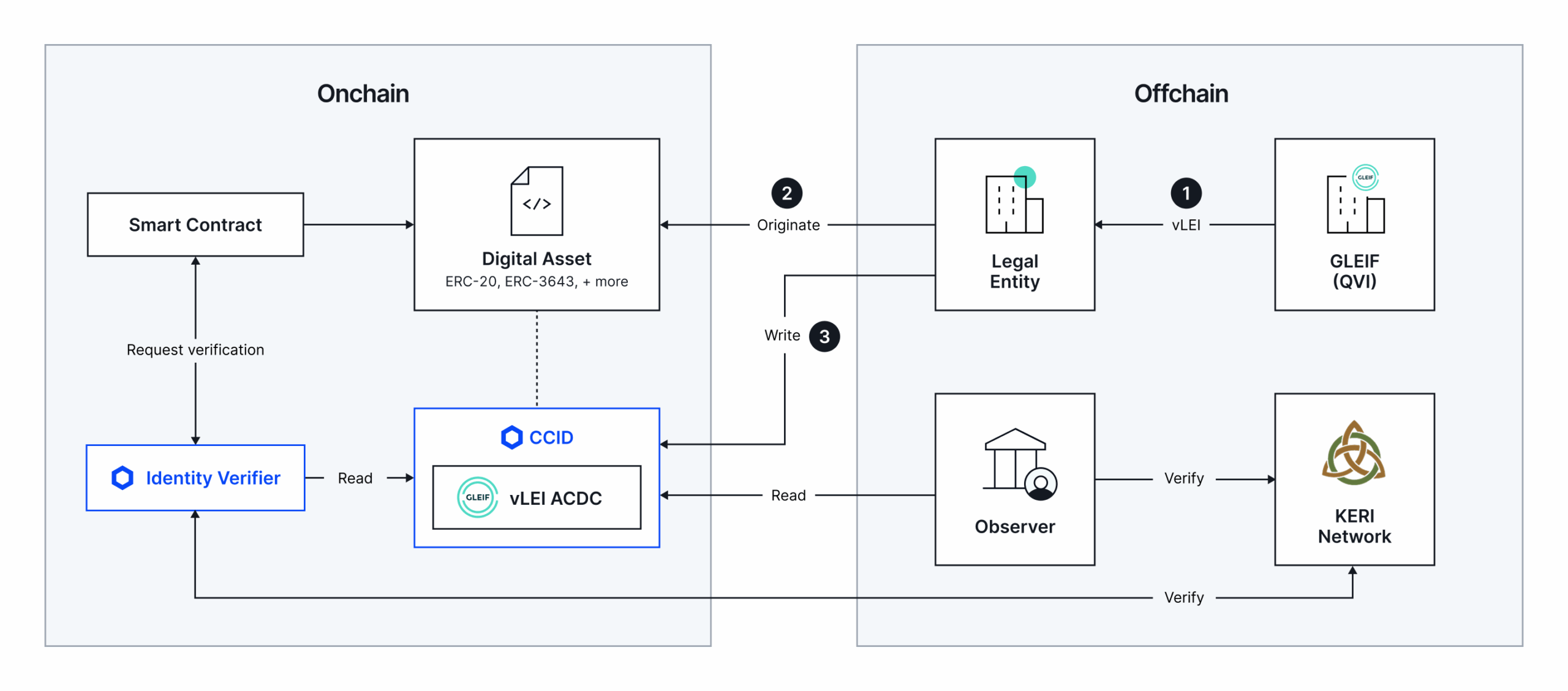
Chainlink’s role as the essential infrastructure powering this global shift to onchain finance will only deepen. Its secure oracle networks will be vital for verifying the ownership and value of tokenized assets, ensuring seamless cross-chain transactions, and providing the external data required for complex smart contract logic. The continued innovation in Chainlink’s product suite, coupled with its expanding ecosystem, positions it as the crucial enabler for a future where virtually all value and data are securely and transparently managed on decentralized networks. The path forged in 2025 has set the trajectory for Chainlink to lead the charge into a truly global, interconnected, and onchain financial system in 2026 and beyond.
For those interested in delving deeper into the future trajectory of this transformative technology, further information on the next era of Chainlink can be found at chain.link/everything. The foundation has been laid, and the global financial landscape is now firmly on a course toward digital transformation, with Chainlink at its helm.