admin
admin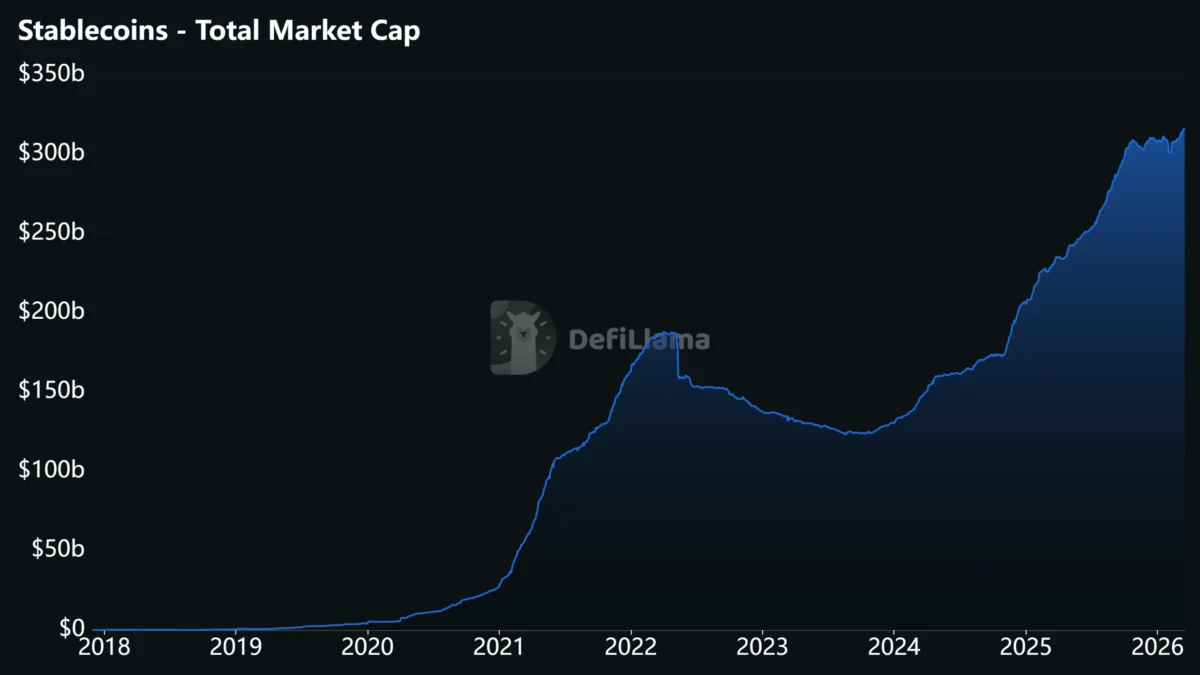
Hong Kong-based stablecoin payments company RedotPay has officially stated it has "consolidated" teams to enhance efficiency as it navigates a rapid scaling phase, responding to a recent Bloomberg report that highlighted executive turnover and sensitivities related to its mainland China connections. The company’s clarification comes amidst its exploration of a significant US Initial Public Offering (IPO) and a reported drive to raise substantial capital. This strategic organizational adjustment, according to RedotPay, is a natural progression as it transitions from an early-stage startup to a rapidly expanding unicorn in the competitive stablecoin sector.
Bloomberg Report Details Executive Churn and Operational Culture
On Wednesday, a Bloomberg report brought to light a series of challenges faced by RedotPay, particularly focusing on leadership churn and underlying sensitivities connected to China. The report emerged as RedotPay reportedly seeks to raise up to $150 million in new funding. Citing sources familiar with the company’s internal dynamics, Bloomberg indicated that at least five senior executives, including two compliance chiefs, had departed the stablecoin firm within the past year. Furthermore, the report characterized RedotPay’s operational environment as one with a demanding work culture, frequently requiring extended hours from its employees. Such reports of high executive turnover can often raise questions among potential investors regarding a company’s stability and long-term strategic direction, especially as it approaches a public listing.
The timing of this report is particularly salient, given earlier news in February that RedotPay is actively considering a US IPO. That previous Bloomberg article suggested the company could raise over $1 billion through the listing, potentially valuing it at more than $4 billion. To facilitate this ambitious public debut, RedotPay was reported to be collaborating with prominent investment banks, including JPMorgan, Goldman Sachs, and Jefferies, with the potential for the New York listing to materialize as early as this year. The pursuit of a US IPO, a highly regulated and scrutinized market, places additional pressure on companies to demonstrate robust corporate governance and a stable leadership structure.
RedotPay’s Official Response: Evolution, Not Instability
In its statement to Cointelegraph, RedotPay chose not to directly address Bloomberg’s specific claims of executive churn or demanding work culture but framed its recent organizational changes as a strategic evolution. "As we transition from an early-stage startup to a unicorn, we are evolving our organizational structure and talent pool to support our ongoing growth trajectory," the company affirmed. This explanation suggests that the shifts are part of a deliberate effort to mature its corporate structure in line with its accelerated growth and expanding global footprint. The company emphasized the continuity of its core leadership, asserting that all co-founders, including CEO Michael Gao, the chief operating officer (COO), and the chief technology officer (CTO), remain at the helm, continuing to lead key functional areas. This reassurance aims to counter any perceptions of foundational instability within the executive ranks.
Further addressing the operational leadership, RedotPay confirmed that it has not yet appointed a dedicated chief financial officer (CFO). Instead, one of its co-founders currently oversees the finance department, working in conjunction with the company’s investor relations and corporate development leadership. The company clarified its position on this critical role, stating, "We may appoint a CFO at a later stage as the need arises." This approach, while unconventional for a company of RedotPay’s reported valuation and IPO aspirations, might reflect an agile startup mindset prioritizing internal talent and existing relationships. RedotPay also provided an update on its workforce, indicating it now employs more than 250 individuals globally, with the majority of its operations and personnel based in Hong Kong, underscoring its significant presence in the Asian financial hub.
Strong Financial Position and Fundraising Independence
Perhaps one of the most significant counterpoints to the narrative of potential operational strain or funding pressure came from RedotPay’s assertion that there is "no urgency" to secure new funding. The company attributed this robust position to its "strong operating cash flow and liquidity." This statement directly challenges any inference that the reported fundraising efforts of up to $150 million are driven by immediate financial need rather than strategic growth capital. RedotPay reiterated its openness to investors, signaling that while it is not desperate for funds, it remains receptive to partnerships that align with its long-term vision and expansion goals.
This confident stance on fundraising follows a remarkably successful year of capital acquisition for RedotPay in 2025. The company amassed a total of $194 million across three distinct funding rounds, showcasing significant investor confidence in its business model and growth potential. The fundraising journey began in March with a $40 million Series A round, led by Lightspeed, a prominent venture capital firm known for its early-stage technology investments. This initial injection of capital provided a strong foundation for RedotPay’s expansion.
The momentum continued into September with a $47 million strategic round, which notably attracted investment from Coinbase Ventures, the venture arm of the leading US cryptocurrency exchange. This round was pivotal, as it helped propel RedotPay into the coveted "unicorn club," signifying a valuation of over $1 billion. Achieving unicorn status within a relatively short period (founded in 2023) underscored the rapid adoption and perceived potential of its stablecoin payment solutions.
The culmination of its fundraising efforts in 2025 came in December with a substantial $107 million Series B round. This round was led by Goodwater Capital, an investment firm focused on consumer technology, and saw participation from other major players in the blockchain and venture capital space, including Pantera Capital, Blockchain Capital, and Circle Ventures. The involvement of such high-profile investors, including those with deep roots in the stablecoin ecosystem (like Circle, issuer of USDC), provided significant validation for RedotPay’s technology and market strategy. These consecutive, well-subscribed rounds illustrate a strong history of investor confidence, which RedotPay is leveraging to demonstrate its current financial health.
RedotPay’s Business Model and the Evolving Stablecoin Landscape

Founded in 2023, RedotPay has quickly established itself in the burgeoning stablecoin payments sector. Its core offering revolves around an intuitive application paired with a Visa card, designed to empower users to spend stablecoins seamlessly in their everyday transactions. Beyond simple payments, the platform also provides yield-generating services and remittance capabilities, aiming to offer a comprehensive suite of financial tools built on stablecoin technology. This multi-faceted approach taps into the growing demand for efficient, low-cost cross-border payments and alternative investment opportunities in the digital asset space.
The stablecoin market has witnessed phenomenal growth, with its total market capitalization rising above $300 billion, as indicated by data from DefiLlama. This surge reflects the increasing utility of stablecoins as a bridge between traditional finance and the decentralized economy, offering stability in a volatile crypto market while facilitating fast and cheap transactions. Companies like RedotPay are at the forefront of driving mainstream adoption, enabling stablecoins to move beyond speculative trading into practical, real-world applications. The ability to spend stablecoins via a Visa card significantly lowers the barrier to entry for many users, offering a familiar interface for a novel financial instrument.
Hong Kong itself has been actively positioning itself as a leading global hub for virtual assets, with regulatory bodies like the Securities and Futures Commission (SFC) and the Hong Kong Monetary Authority (HKMA) implementing frameworks to foster responsible innovation. RedotPay’s base in Hong Kong places it within an ecosystem that aims to balance regulatory oversight with support for crypto businesses. This strategic location offers both opportunities and challenges, especially when considering expansion into markets with differing regulatory philosophies, such as the United States.
Navigating Geopolitical and Regulatory Sensitivities for a US IPO
The "sensitivities tied to its mainland China connections" reported by Bloomberg are a critical factor for any Hong Kong-based company eyeing a US IPO, particularly in the crypto sector. While Hong Kong maintains a distinct legal and financial system under the "One Country, Two Systems" framework, the increasing political integration with mainland China has led to heightened scrutiny from US regulators and policymakers. For companies seeking to list on US exchanges, demonstrating clear separation and compliance with US sanctions and data privacy laws is paramount. The US Securities and Exchange Commission (SEC) and other regulatory bodies have become increasingly vigilant regarding foreign-based companies, especially those with perceived ties to jurisdictions that may pose national security or geopolitical risks.
For a crypto company, these concerns are amplified. China’s stringent ban on cryptocurrency trading and mining creates a complex environment for Hong Kong firms that might have operational or personnel links to the mainland. Investors and regulators in the US would likely seek extensive disclosures and assurances regarding data handling, corporate governance, and independence from mainland Chinese influence to mitigate potential risks. This context adds a layer of complexity to RedotPay’s IPO aspirations, requiring robust legal and compliance frameworks to navigate these geopolitical currents successfully. The departure of two compliance chiefs, as reported by Bloomberg, could be interpreted in this light, potentially raising questions about the company’s preparedness to meet the rigorous compliance demands of a US listing.
Organizational Evolution and Leadership Dynamics in High-Growth Environments
The reported executive turnover at RedotPay, while potentially concerning on the surface, can also be viewed through the lens of a company undergoing rapid expansion. High-growth startups, especially those achieving "unicorn" status in short order, often experience significant organizational changes. This can include a natural churn of early-stage hires as the company matures and requires different skill sets, or as the demanding pace of a hyper-growth environment proves challenging for some. The shift from a lean startup mentality to a more structured corporate entity, especially with an IPO in sight, often necessitates professionalization across all departments, including compliance, finance, and operations.
RedotPay’s statement about "evolving our organizational structure and talent pool" aligns with this broader industry trend. As a company scales, the demands on leadership intensify, requiring adaptability and a willingness to operate within increasingly complex regulatory and market landscapes. The absence of a dedicated CFO, while being overseen by a co-founder, might be a temporary arrangement that will likely need to be formalized with a seasoned executive as the IPO process progresses. A strong CFO is typically crucial for managing financial reporting, investor relations, and navigating the intricacies of a public offering.
Broader Implications and Future Outlook
RedotPay’s journey reflects the broader dynamics of the stablecoin and crypto payments industry: immense growth potential, significant capital inflows, but also intense scrutiny regarding regulation, corporate governance, and geopolitical affiliations. The company’s ability to attract top-tier investors and achieve unicorn status within two years of its founding is a testament to the market’s belief in its innovative approach to stablecoin utility.
However, the path to a successful US IPO will require more than just a compelling product and strong financials. RedotPay will need to meticulously address the concerns raised by reports of executive churn and, more critically, transparently navigate the complexities arising from its mainland China connections. Demonstrating a stable, experienced leadership team, robust compliance protocols, and clear operational independence will be paramount in building investor confidence and satisfying the stringent requirements of US regulatory bodies.
As the stablecoin market continues its upward trajectory, with forecasts from institutions like Standard Chartered predicting a $2 trillion market by 2028, companies like RedotPay are poised to play a crucial role in shaping the future of digital payments. Their success or challenges will offer valuable insights into the ongoing integration of digital assets into mainstream finance, particularly within the sensitive geopolitical landscape of global markets. RedotPay’s narrative will be closely watched as it endeavors to solidify its position as a global leader in stablecoin payments while navigating the multifaceted demands of corporate maturity and international expansion.