admin
admin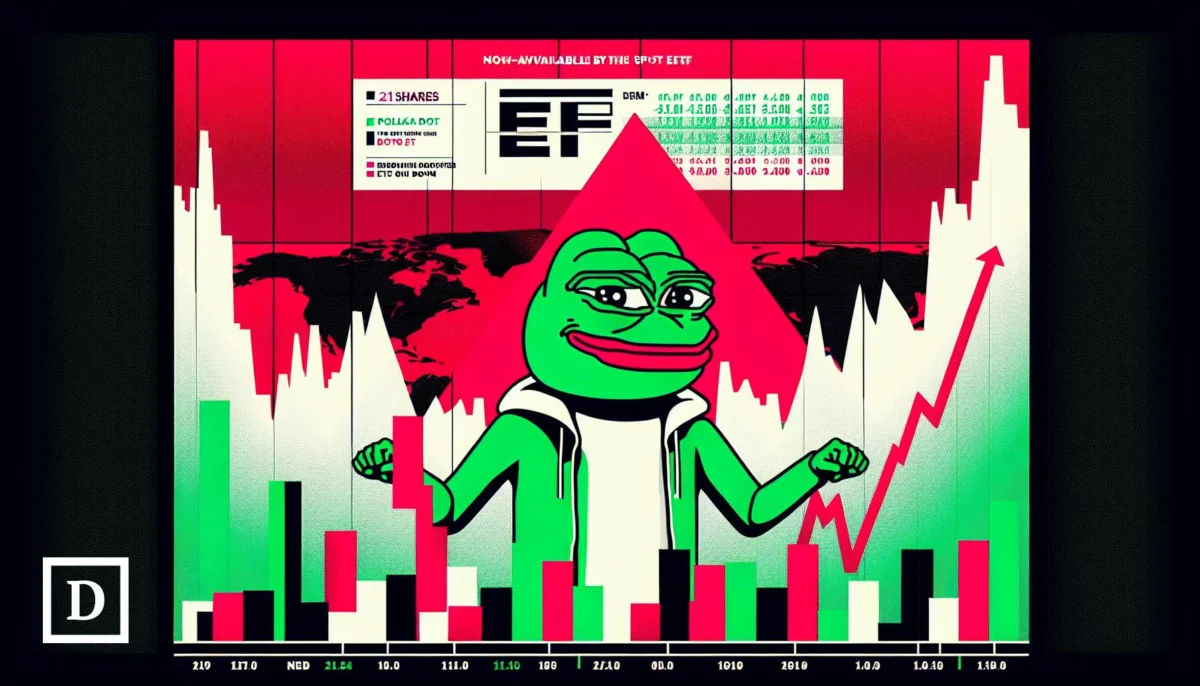
The landscape of cryptocurrency investment in the United States has witnessed another significant development with 21Shares announcing the launch of the first U.S. spot Polkadot Exchange Traded Product (ETP), officially known as TDOT. This launch, confirmed on March 6th, follows closely on the heels of 21Shares introducing one of the inaugural spot ETFs for the Sui (SUI) blockchain just one week prior. The introduction of TDOT marks a continued expansion of regulated investment vehicles for digital assets, catering to a growing demand from institutional and retail investors seeking exposure to the burgeoning crypto market through traditional financial channels.
The TDOT ETP, as detailed in a press release issued by 21Shares, is structured under the Securities Act of 1933. This regulatory framework distinguishes it from many other U.S. crypto ETPs, which are typically registered under the Investment Company Act of 1940. This distinction may have implications for the operational and compliance aspects of the fund, though the full ramifications will likely become clearer as the product gains traction.
Bloomberg’s senior ETF analyst, Eric Balchunas, shared insights on the launch via the social media platform X. He highlighted that TDOT comes with a management fee of 0.30% and indicated that the fund appeared to be seeded with approximately $11 million. This initial capital injection suggests a degree of confidence from the issuer and potential early interest from investors.
Background on Polkadot and its Ecosystem
Polkadot, the blockchain network underpinning the DOT token, is recognized for its innovative architecture as a "Layer 0" blockchain. This designation signifies its role as a foundational layer designed to enable interoperability between various specialized blockchains, or "parachains." Polkadot’s vision is to create a decentralized internet of blockchains, allowing different networks to communicate and share data securely and efficiently. Its native asset, DOT, plays a crucial role in network governance, staking, and bonding parachains.
As of the announcement, Polkadot holds a market capitalization of approximately $2.4 billion, positioning it as the 38th largest cryptocurrency network according to data from CoinGecko. While the launch of a dedicated ETF is generally perceived as a positive catalyst, the price action of DOT in the immediate aftermath presented a contrasting picture.
Market Reaction and Broader Economic Context
On the day of the TDOT ETF launch, the price of DOT experienced a decline of about 2% over the preceding 24 hours. This dip occurred amidst a broader downturn in the cryptocurrency market, attributed by analysts to increasing global economic and geopolitical uncertainties. Such macroeconomic factors often influence investor sentiment across all asset classes, including digital assets, leading to broader market volatility.
This recent price movement stands in contrast to Polkadot’s performance in the month prior to the ETF announcement. The DOT token had seen a notable rally in February, driven by anticipation surrounding its upcoming halving event. Halving events, which reduce the rate at which new coins are issued, have historically been viewed as bullish catalysts for cryptocurrencies, as they can impact supply dynamics. The Defiant had previously reported on this pre-halving surge, highlighting the market’s sensitivity to such scheduled events.
The Growing Trend of Altcoin ETFs
The introduction of the TDOT ETF signifies the continuation of a burgeoning trend: the launch of Exchange Traded Products for alternative cryptocurrencies, or "altcoins," in the United States. This trend gained significant momentum in the previous year, with issuers increasingly seeking to provide regulated access to a wider array of digital assets.
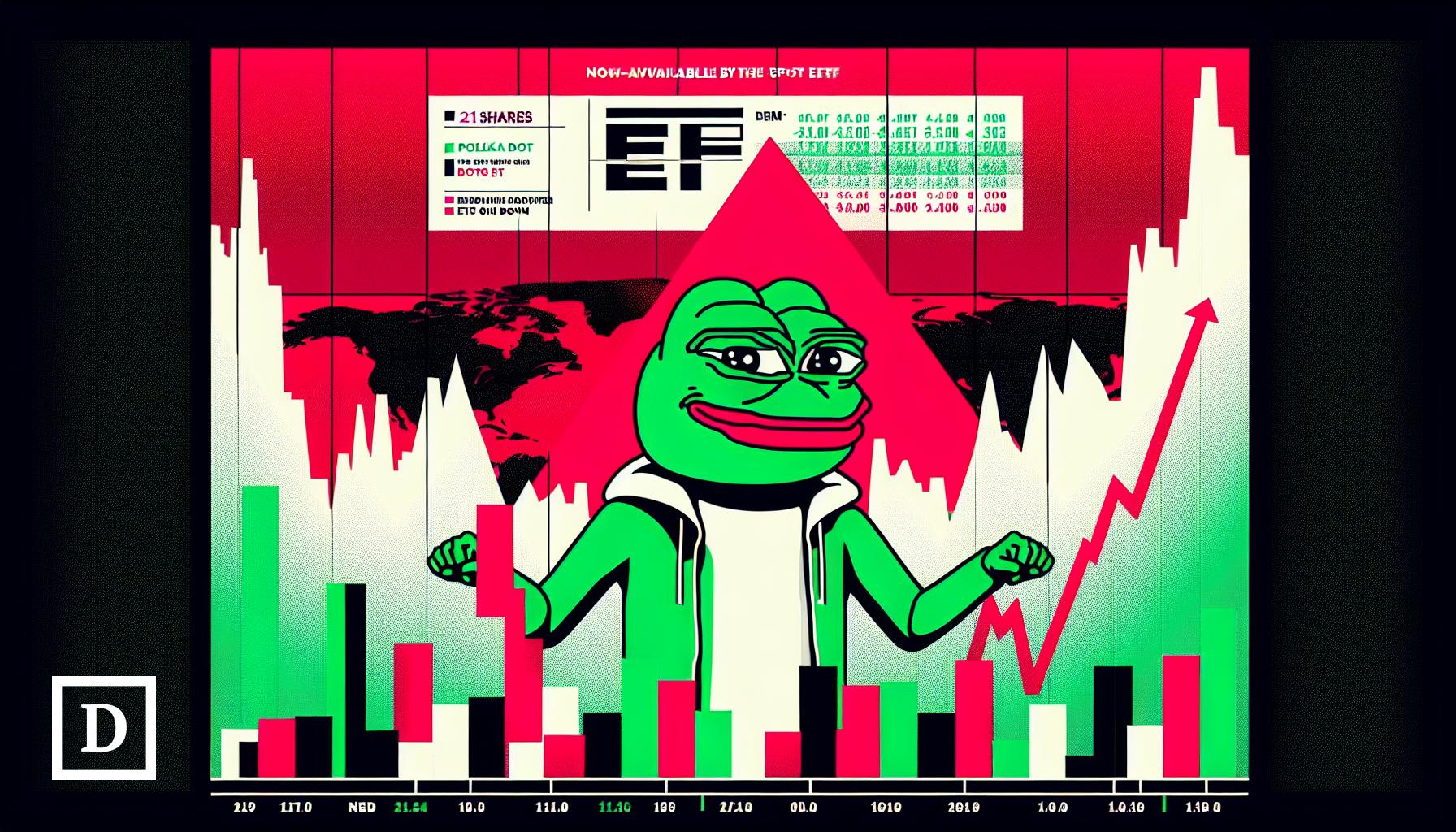
The launch of the TSUI ETF by 21Shares just a week before TDOT underscores the company’s proactive approach in this evolving market. The TSUI ETF, tracking the native asset of the Sui blockchain, also represents an expansion of investment options for those looking beyond Bitcoin and Ethereum.
The initial breakthrough for regulated cryptocurrency investment products in the U.S. came with the approval of spot Bitcoin ETFs. After years of deliberation and numerous applications, a landmark decision in January 2024 saw the Securities and Exchange Commission (SEC) approve eleven spot Bitcoin ETFs simultaneously. This pivotal event opened the floodgates for institutional capital and marked a significant step towards mainstream adoption of crypto-based investment products. The subsequent approvals for altcoin ETFs demonstrate a further maturation of the market and a growing willingness from regulators and issuers to explore a more diverse range of digital assets.
Regulatory Framework and Operational Nuances
The classification of TDOT under the Securities Act of 1933, rather than the Investment Company Act of 1940, warrants closer examination. The Securities Act of 1933 primarily governs the initial offering and sale of securities, focusing on disclosure and registration requirements to protect investors. The Investment Company Act of 1940, on the other hand, provides a more comprehensive regulatory framework for investment companies, including mutual funds and ETFs, addressing aspects like fund structure, governance, and investor protection measures specific to pooled investment vehicles.
While the press release from 21Shares highlights this distinction, the practical implications for investors and the operational oversight of the TDOT ETF will be a key area of interest for market participants and regulators alike. The differing regulatory paths can influence aspects such as custody of underlying assets, redemption mechanisms, and reporting obligations. As more altcoin ETFs emerge, understanding these nuanced regulatory approaches will be crucial for assessing the risk and operational characteristics of each product.
Future Implications for the Crypto Market
The launch of the TDOT spot ETF by 21Shares has several potential implications for the broader cryptocurrency ecosystem:
- Increased Accessibility and Legitimacy: The availability of a regulated ETF makes investing in Polkadot more accessible to a wider range of investors, including those who may be hesitant to directly hold cryptocurrencies or navigate the complexities of digital asset exchanges. This can lend greater legitimacy to the Polkadot network and its underlying token.
- Potential for Increased Institutional Adoption: As more regulated investment products become available, it can attract greater interest and capital from institutional investors. This includes pension funds, asset managers, and other financial institutions that may have mandates or risk management policies that favor regulated and familiar investment vehicles.
- Enhanced Liquidity and Price Discovery: The creation of an ETF can contribute to improved liquidity for the underlying asset, DOT. As demand for the ETF increases, authorized participants will purchase DOT to create new ETF shares, and conversely, sell DOT to redeem shares. This dynamic can lead to more efficient price discovery for DOT in the broader market.
- Diversification of Investment Strategies: The expansion of altcoin ETFs allows investors to diversify their cryptocurrency holdings beyond Bitcoin and Ethereum. This enables them to gain exposure to different blockchain ecosystems and their unique technological advancements and use cases, such as Polkadot’s focus on interoperability.
- Regulatory Scrutiny and Evolution: The continued rollout of altcoin ETFs will likely maintain regulatory focus on the digital asset space. Regulators will continue to monitor these products, their underlying assets, and the practices of issuers to ensure investor protection and market integrity. This could lead to further refinements in regulatory approaches and potentially pave the way for even more innovative digital asset investment products in the future.
21Shares’ Strategic Positioning
21Shares has established itself as a key player in the nascent but rapidly expanding market for crypto-backed ETPs. By being among the first to launch ETFs for both Sui and Polkadot, the firm is demonstrating a strategic intent to capture market share in the growing demand for diversified digital asset investment opportunities. Their ability to navigate regulatory pathways and bring these products to market highlights their expertise in both the cryptocurrency and traditional finance sectors.
The company’s approach suggests a belief in the long-term viability and growth potential of various blockchain networks beyond the established leaders. This forward-looking strategy positions 21Shares to benefit from the continued maturation and adoption of the digital asset class.
Conclusion
The launch of the TDOT spot Polkadot ETF by 21Shares represents a significant milestone for the Polkadot ecosystem and the broader cryptocurrency investment landscape in the United States. It underscores the increasing integration of digital assets into traditional financial markets and provides a regulated avenue for investors to gain exposure to this innovative blockchain technology. While the immediate price reaction of DOT reflected broader market headwinds, the long-term implications of increased accessibility, potential institutional interest, and enhanced liquidity are likely to be positive for the Polkadot network. As the trend of altcoin ETFs continues to accelerate, the U.S. market is poised for further innovation and growth in the digital asset investment space, with 21Shares playing a prominent role in shaping this evolution.