admin
admin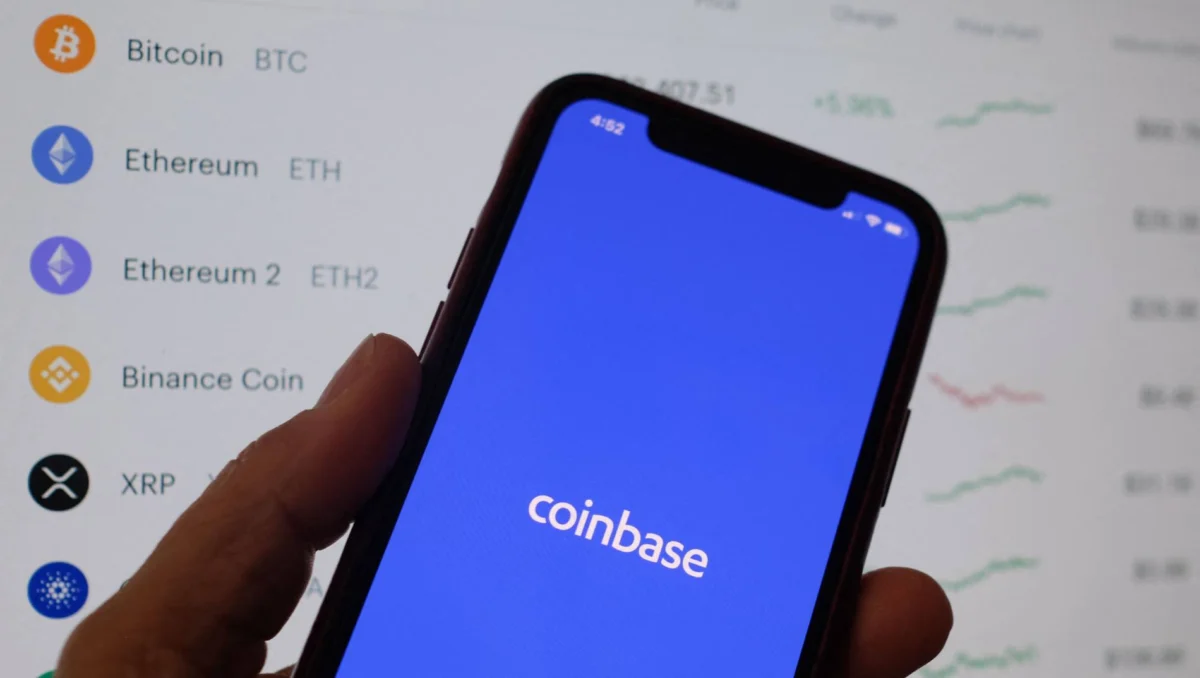
Coinbase, the leading United States-based cryptocurrency exchange, has officially reopened its mobile application for new registrations in India, signaling a significant return to one of the world’s most populous and tech-forward markets. This move follows a hiatus of more than two years, during which the company underwent a rigorous process of regulatory realignment and structural pivoting. Speaking at the India Blockchain Week (IBW) in Bangalore, John O’Loghlen, Coinbase’s Asia-Pacific (APAC) Director, confirmed that while the platform currently facilitates crypto-to-crypto trading, it is laying the groundwork for a full-scale fiat on-ramp scheduled for 2026. This future integration will allow Indian users to seamlessly deposit local currency to purchase digital assets, marking a critical milestone in the company’s localized growth strategy.
The re-entry of Coinbase into the Indian market is not merely a technical relaunch but a calculated effort to navigate a complex regulatory landscape that has historically been lukewarm, if not hostile, toward private digital currencies. By registering with the Financial Intelligence Unit (FIU) earlier this year, Coinbase has transitioned from an offshore entity to a recognized player within India’s domestic financial oversight framework. This registration ensures that the exchange complies with the Prevention of Money Laundering Act (PMLA), providing a level of legitimacy that was missing during its initial, ill-fated launch in 2022.
A Chronology of Friction and Strategic Retreat
The journey of Coinbase in India has been characterized by high-profile setbacks and a subsequent "clean slate" philosophy. In April 2022, the exchange made a grand entry into the Indian market, announcing support for the Unified Payments Interface (UPI)—India’s ubiquitous real-time payment system. However, within days of the announcement, the National Payments Corporation of India (NPCI), which governs UPI, issued a statement clarifying that it was not aware of any crypto exchange using the network. This public disavowal forced Coinbase to abruptly suspend UPI services, effectively crippling its ability to offer fiat-to-crypto transactions.
By mid-2023, the situation had grown increasingly untenable due to tightening regulations and a lack of clear banking support. In a drastic move, Coinbase ceased all operations for existing Indian users, requesting them to withdraw their funds and close their accounts. John O’Loghlen described this period as a "burn the boats" moment. He noted that while off-boarding millions of customers was commercially painful and counterintuitive for a business seeking growth, it was a necessary step to ensure that the company could eventually return on a foundation of total compliance. The strategy was to disconnect entirely from past domiciles and regulations to build a bespoke, India-compliant infrastructure from the ground up.
Navigating the Indian Regulatory and Tax Framework
India’s relationship with cryptocurrency has been defined by a "wait and watch" approach, characterized by heavy taxation rather than an outright ban. In the 2022 Union Budget, the Indian government introduced a 30% tax on any income derived from the transfer of virtual digital assets (VDAs). Crucially, the law does not allow for the offsetting of losses against profits, a provision that is standard in traditional equity markets. Furthermore, a 1% Tax Deducted at Source (TDS) is levied on every transaction above a certain threshold, a move intended to track the movement of funds but one that has significantly dampened high-frequency trading and liquidity on domestic exchanges.
O’Loghlen acknowledged these hurdles during his address at IBW, expressing hope that the Indian government might eventually recalibrate its tax policy to be less "burdensome." The current fiscal environment has driven many Indian traders to offshore exchanges that did not initially comply with FIU norms, though the Indian government has recently begun blocking the URLs of non-compliant foreign platforms to level the playing field for domestic and registered entities. Coinbase’s decision to register with the FIU positions it to capture the market share left behind by these blocked offshore competitors.
Market Potential and Supporting Data
Despite the restrictive tax regime, India remains a powerhouse in the global crypto ecosystem. According to the 2023 Global Crypto Adoption Index by Chainalysis, India ranked first in the world in grassroots adoption, despite the regulatory headwinds. The country’s massive base of over 800 million internet users and a demographic profile skewed toward a tech-savvy youth make it an indispensable market for global fintech firms.
Coinbase’s commitment to the region is further evidenced by its venture capital activities. Coinbase Ventures has been a prolific investor in the Indian startup ecosystem, most notably increasing its stake in CoinDCX, one of India’s leading homegrown exchanges. In late 2024, a fresh infusion of capital valued CoinDCX at approximately $2.45 billion, reinforcing Coinbase’s belief in the long-term viability of the local market. Additionally, the company maintains a robust physical presence in India, employing over 500 staff members. This team serves as a critical engineering and product hub, not just for the Indian market but for Coinbase’s global operations, highlighting the strategic importance of Indian talent in the company’s broader roadmap.
The 2026 Roadmap and Fiat Integration
The most significant takeaway from the recent announcement is the timeline for the fiat on-ramp. Currently, Indian users on Coinbase are restricted to trading one cryptocurrency for another (e.g., swapping Bitcoin for Ethereum). While this serves the needs of existing holders, it limits the platform’s appeal to the broader retail public who need a way to enter the market using the Indian Rupee (INR).
By setting 2026 as the target for fiat integration, Coinbase is allowing itself a two-year window to secure stable banking partnerships and ensure that its "on-ramping" experience is as frictionless as popular Indian consumer apps. O’Loghlen drew comparisons to "super apps" like Flipkart and Zepto, emphasizing that for crypto to achieve mass adoption in India, the user interface (UI) and the onboarding process must be instantaneous and intuitive. The company is betting that by 2026, the regulatory dust will have settled further, and banking institutions will be more comfortable facilitating transactions for FIU-registered crypto entities.
Broader Implications for the Industry
The return of Coinbase is likely to trigger a ripple effect across the Indian crypto landscape. Domestic exchanges, which have struggled with declining volumes since the 2022 tax laws, now face competition from a global giant with deep pockets and a sophisticated technological stack. However, the entry of a major US-listed company like Coinbase also provides a sense of validation to the local industry, potentially encouraging more conservative institutional investors to explore the space.
Furthermore, Coinbase’s emphasis on being a "trusted exchange" aligns with the Indian government’s focus on consumer protection and anti-money laundering. By opting for the slow and compliant route rather than the "move fast and break things" approach, Coinbase is attempting to build a rapport with Indian regulators that could pay dividends if the government eventually moves toward a more comprehensive legislative framework for VDAs.
Future Outlook: A Measured Expansion
The re-opening of the Coinbase app is the first phase of a multi-year expansion strategy. The company is currently hiring for multiple roles in India, focusing on localizing its product offerings and strengthening its compliance and legal teams. The goal is to move beyond being a niche tool for crypto enthusiasts to becoming a primary financial portal for digital assets in India.
As the global crypto market enters a new cycle of growth, Coinbase’s presence in India will be a litmus test for how international exchanges can operate in highly regulated, high-growth emerging markets. The success of this venture will depend on three factors: the stability of the Indian regulatory environment, the company’s ability to secure reliable fiat payment channels by 2026, and the general appetite of the Indian public for digital assets in the face of steep taxation. For now, Coinbase is content with a "clean slate," focusing on building trust and infrastructure while waiting for the broader economic and regulatory conditions to align with its long-term vision.