admin
admin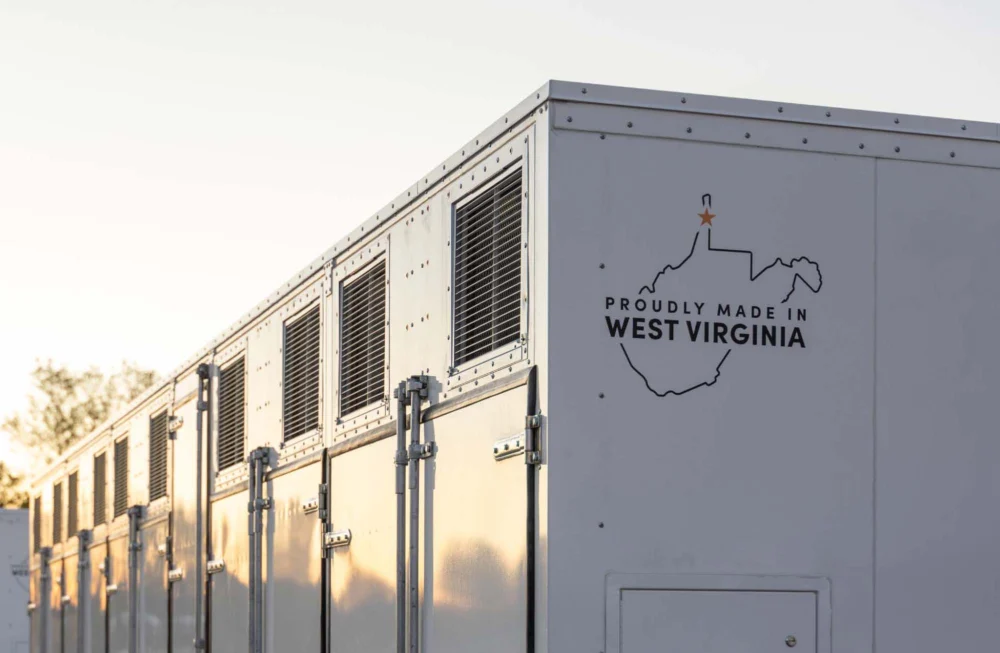
Google has officially committed to a landmark $1 billion agreement with energy storage startup Form Energy to deploy a pioneering iron-air battery system at its newest data center facility in Minnesota. The deal represents a significant milestone in the commercialization of long-duration energy storage (LDES) and underscores the escalating demand for carbon-free energy solutions within the technology sector. The project, which integrates the massive battery system with a vast array of wind and solar assets, aims to provide a blueprint for how heavy-industry power consumers can transition to 24/7 renewable energy reliance.
The center of this technological feat is Form Energy’s proprietary iron-air battery, a system capable of discharging electricity for 100 consecutive hours. This capability far exceeds the four-to-six-hour window typically offered by conventional lithium-ion battery installations. The Minnesota project is designed to deliver a continuous 300 megawatts of electricity, effectively bridging the gaps inherent in intermittent renewable sources like wind and solar. By smoothing the flow of electrons from 1.4 gigawatts of wind power and 200 megawatts of solar power, the battery ensures that the data center remains operational even during extended periods of low wind or cloud cover.
The Mechanics of Reversible Rusting
Form Energy’s technology operates on a fundamental chemical process known as "reversible rusting." Unlike lithium-ion batteries, which rely on rare and expensive minerals like cobalt and nickel, iron-air batteries utilize some of the most abundant materials on Earth: iron, water, and air. During the discharge cycle, the battery "breathes in" oxygen from the atmosphere, which reacts with the iron inside the cells to create iron oxide, or rust. This chemical reaction releases electrons that are funneled into the electrical grid.
When the battery is charging—utilizing excess electricity from wind or solar farms—the process is reversed. An electrical current is applied to the rust, converting it back into metallic iron and releasing oxygen as a byproduct. This cycle can be repeated thousands of times without significant degradation. The primary advantage of this system is its cost-effectiveness; iron is significantly cheaper than lithium, making it feasible to build massive storage arrays that can hold days’ worth of energy rather than just hours.
Strategic Significance for Google’s 2030 Goals
The investment in Form Energy is a critical component of Google’s broader corporate strategy to operate entirely on carbon-free energy (CFE) by 2030. While many corporations purchase renewable energy credits to "offset" their carbon footprint, Google’s 24/7 CFE goal requires that every hour of electricity consumed by its data centers be matched by carbon-free generation on the local grid.
The Minnesota data center, located in Becker, is strategically positioned near the site of the Sherburne County Generating Station (Sherco), a massive coal-fired power plant currently being decommissioned by Xcel Energy. By repurposing the existing grid infrastructure at Sherco, Google and its partners are facilitating a "just transition" from fossil fuels to renewables. The $1 billion battery contract is the largest of its kind for Form Energy and provides the financial certainty needed to scale this technology for global applications.
Chronology of Form Energy’s Development
The journey to this $1 billion deal has been years in the making. Form Energy was founded in 2017 by a team of industry veterans, including CEO Mateo Jaramillo, who previously led Tesla’s stationary storage division. The company’s goal from the outset was to solve the "multi-day storage" problem that has long been the Achilles’ heel of renewable energy grids.
In 2021, Form Energy announced it had selected Weirton, West Virginia, as the site for its first major manufacturing facility, dubbed "Form Factory 1." The choice was symbolic, as Weirton was once a thriving hub for the American steel industry. By building on the site of a former steel mill, the company aimed to leverage the local workforce’s expertise in metallurgy and heavy manufacturing.
In 2023, the company broke ground on the West Virginia facility with the help of state-backed incentives. By early 2024, the factory began trial production runs of its iron-air battery modules. The deal with Google, finalized this week, serves as the company’s first major commercial "anchor" contract, proving that there is a viable market for 100-hour storage at a gigawatt scale.
Financial Landscape and Future IPO Plans
The $1 billion payday from the Google contract arrives as Form Energy prepares for its next phase of corporate growth. According to financial disclosures, the startup is currently in the process of raising an additional $500 million in a new funding round to support the expansion of its manufacturing capacity. Prior to this round, Form Energy had raised approximately $1.4 billion from a diverse group of investors, including Bill Gates’ Breakthrough Energy Ventures, TPG Rise Climate, and various sovereign wealth funds.

CEO Mateo Jaramillo has indicated that the company is eyeing a public listing as early as next year. An Initial Public Offering (IPO) would provide the capital necessary to build additional factories and compete with global battery giants. The Google deal provides a powerful narrative for potential investors, demonstrating that Form Energy can compete not just on technology, but on the massive scale required by the world’s largest infrastructure spenders.
Addressing the AI Energy Crisis
The timing of this project is particularly relevant given the explosive growth of artificial intelligence (AI). Modern AI models require immense computational power, leading to a surge in energy demand from data centers. Industry analysts estimate that data center power consumption could double by the end of the decade, putting unprecedented strain on national power grids.
Utilities across the United States have expressed concern that they may not be able to meet this demand without resorting to natural gas or extending the life of coal plants. Google’s commitment to iron-air storage offers a potential solution to this dilemma. If data centers can store days of renewable energy, they can act as a stabilizing force for the grid rather than a drain.
Broader Industry Implications and Market Reactions
The broader energy industry has reacted to the news with cautious optimism. Energy analysts note that while lithium-ion remains the gold standard for short-duration storage (such as frequency regulation and peak shaving), the market for long-duration storage is virtually untapped.
"This is a signal to the entire utility sector," said one industry consultant specializing in grid modernization. "If a company with the technical scrutiny of Google is willing to put a billion dollars behind iron-air technology, it validates the chemistry and the economics of the platform. We are likely to see other hyperscalers like Microsoft and Amazon follow suit as they grapple with their own sustainability mandates."
However, challenges remain. Scaling a new electrochemical technology from a pilot factory to a global supply chain is fraught with risk. Form Energy must prove that its batteries can maintain performance over decades of operation in the harsh climatic conditions of the upper Midwest, where Minnesota winters will test the thermal management systems of the iron-air cells.
Regional Economic and Environmental Impact
For the state of Minnesota and the community of Becker, the project represents a significant economic win. The transition from the Sherco coal plant to a high-tech data center and energy storage hub is expected to create hundreds of construction jobs and dozens of permanent high-skill positions.
Environmentally, the project will displace a significant amount of carbon dioxide emissions. By allowing the 1.4 GW of wind power to be used more effectively, the battery system reduces the need for "peaker" plants—usually fueled by natural gas—that typically ramp up when renewable output drops. The use of iron also mitigates the ethical and environmental concerns associated with the mining of lithium and cobalt, which are often linked to human rights abuses and ecological destruction in regions like the Democratic Republic of Congo.
Conclusion and Outlook
The $1 billion agreement between Google and Form Energy marks a turning point in the global energy transition. It signifies the transition of long-duration energy storage from a laboratory curiosity to a cornerstone of industrial infrastructure. As Google moves toward its 2030 carbon-free goal, the success of the Minnesota project will be closely watched by grid operators, policymakers, and environmental advocates worldwide.
With a $500 million funding round in progress and an IPO on the horizon, Form Energy is positioned to lead a new sector of the green economy. If the iron-air battery performs as promised, the "rusting" of iron may very well become the engine that powers the digital age, proving that the solutions to tomorrow’s energy crises may be found in the most basic elements of our past.