admin
admin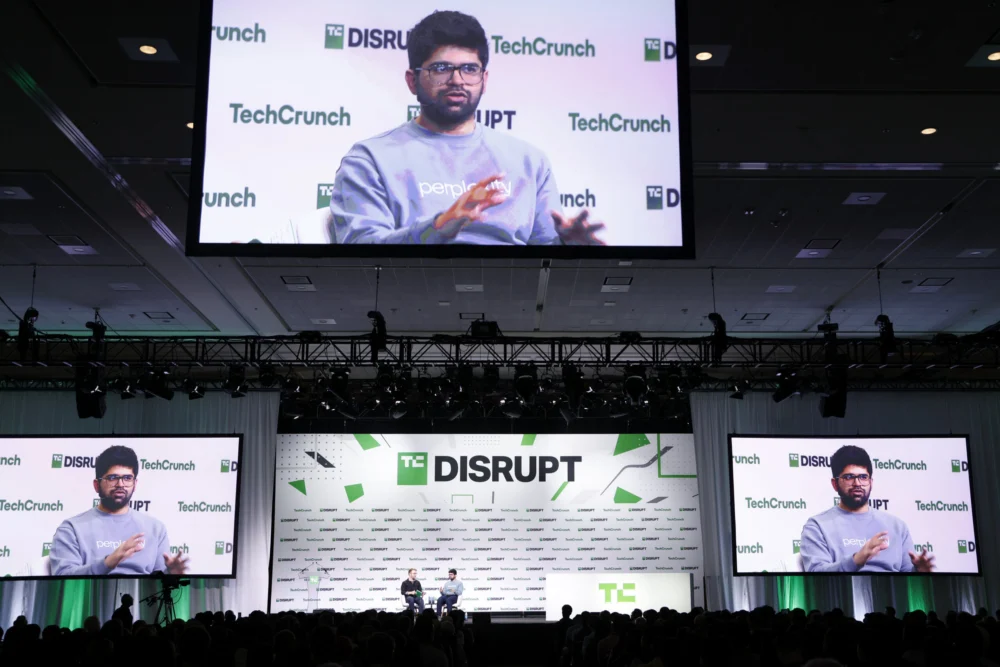
The global technology ecosystem is converging on San Francisco’s Moscone West as TechCrunch Disrupt 2025 prepares to open its doors on October 27, marking the beginning of a three-day intensive summit dedicated to startup growth, venture capital, and technological breakthroughs. With fewer than 24 hours remaining until the opening ceremonies, an estimated 10,000 founders, investors, and engineers are arriving in the city, signaling a robust return to large-scale, in-person networking for the tech sector. The event, which runs through October 29, serves as a critical barometer for the health of the early-stage investment climate and the prevailing trends in software and hardware development.
This year’s iteration of the conference arrives at a pivotal moment for the technology industry. Following a period of market correction and a heightened focus on profitability over growth-at-all-costs, the 2025 summit is expected to highlight the maturation of generative artificial intelligence and the emergence of "agentic AI"—autonomous systems capable of executing complex workflows without constant human intervention. The atmosphere at Moscone West is one of high-stakes preparation, as hundreds of startups finalize their exhibition booths and refine pitches that could determine their funding trajectories for the coming year.
A Legacy of Innovation: The Historical Context of Disrupt
TechCrunch Disrupt has long occupied a unique position in the Silicon Valley narrative. Since its inception, the event has transitioned from a niche gathering of early internet enthusiasts to a global platform that has launched some of the most influential companies in the modern economy. Historical participants in the conference’s signature "Startup Battlefield" competition include companies such as Dropbox, Uber, Fitbit, and Cloudflare. These alumni have collectively raised billions of dollars in venture capital and achieved significant public market valuations, cementing Disrupt’s reputation as a kingmaker in the startup world.

The 2025 event continues this tradition but adapts to a more complex economic landscape. Unlike the era of "easy money" that characterized much of the previous decade, today’s founders face more rigorous due diligence from investors. Consequently, the sessions at Disrupt 2025 are designed to address the tactical realities of building a sustainable business in a high-interest-rate environment. The focus has shifted from mere user acquisition to unit economics, durable engineering cultures, and clear paths to liquidity.
The Startup Battlefield: A $100,000 Pursuit of Excellence
At the heart of the conference is the Startup Battlefield 200, a curated cohort of early-stage startups selected from thousands of applicants globally. These 200 companies represent the "best of the best" in sectors ranging from fintech and health tech to sustainability and space exploration. Throughout the three-day event, these founders will have the opportunity to pitch their innovations to panels of seasoned venture capitalists and industry experts.
The competition culminates in the selection of the Startup Battlefield winner, who will receive a $100,000 equity-free prize. While the capital is a significant draw, many participants argue that the exposure and the "TechCrunch bump" are more valuable. Finalists often see an immediate surge in investor interest and media coverage, which can be the catalyst for a successful Series A or B funding round. The 2025 Battlefield is expected to be particularly competitive, with a heavy emphasis on deep-tech solutions that address global supply chain inefficiencies and climate resilience.
Sector Analysis: The AI Dominance and the Builders Stage
The 2025 agenda reflects the overwhelming influence of artificial intelligence on the current tech landscape. The dedicated AI Stage will host discussions on the "AI Disruptors 60," a list of the most promising startups currently redefining the boundaries of machine learning. A central theme of these discussions is the shift from Large Language Models (LLMs) as simple chatbots to sophisticated agents that can navigate digital environments and perform specialized tasks.

On the Builders Stage, the focus remains on the "how-to" of scaling a modern technology company. Leaders from OpenAI, Google Cloud, Figma, and Sentry are scheduled to provide operational playbooks for engineering and product management. These sessions are intended to provide "field-tested" advice on managing the speed-versus-quality trade-off that often plagues rapidly growing startups. Topics such as "raising a Series A in 2026" and "designing for the AI age" indicate a forward-looking approach, preparing builders for the market conditions they will face in the next 18 to 24 months.
The Exit Landscape: Navigating the Path to Public Markets
A significant addition to the 2025 program is the "Going Public Stage," which addresses one of the most pressing questions in the current venture ecosystem: the timing of initial public offerings (IPOs). Following several years of a relatively quiet IPO market, there is growing pressure on late-stage startups to provide liquidity for their employees and early investors.
Sessions such as "How Long Should a Startup Stay Private?" will feature insights from executives at Kodiak AI, CapitalG, Nextdoor, Zoom, and Chime. These discussions will explore the advantages of remaining private—such as avoiding the short-term pressures of quarterly earnings reports—versus the benefits of entering the public markets to access cheaper capital and enhance brand credibility. The debate is particularly relevant for AI companies, which often require massive amounts of capital to fund research and development but may not yet have the predictable revenue streams traditionally required by public market investors.
Keynote Highlights: From Moonshots to Space Logistics
The speaker lineup for Disrupt 2025 includes several figures who represent the vanguard of "moonshot" thinking. Astro Teller, the head of Alphabet’s X (formerly Google X), is expected to discuss the future of Alphabet and the necessity of pursuing seemingly impossible ideas to achieve world-changing innovation. Teller’s philosophy of "failing fast" and rigorously testing the weakest points of a project first has become a standard methodology for high-risk research and development.

In addition to traditional software, the event will explore the frontiers of physical infrastructure. The session "Made in Space: Varda’s Plan to Build the Next Great Supply Chain" will examine how startups are looking beyond Earth to solve manufacturing challenges. This represents a broader trend within the conference: the convergence of digital intelligence and physical execution.
Consumer technology will also receive significant attention, with Phoebe Gates and Sophia Kianni (founders of Phia) discussing the intersection of sustainability and consumer AI. Their presence highlights the growing importance of "purpose-driven" technology and the ways in which Gen Z entrepreneurs are reshaping the consumer landscape to prioritize environmental and social impact alongside profitability.
Networking and the Deal Flow Café
Beyond the formal stages, the economic engine of Disrupt 2025 is fueled by the thousands of 1:1 meetings and "side events" occurring throughout San Francisco. The Deal Flow Café serves as a dedicated hub for investors and founders to conduct the private conversations that often lead to term sheets. According to preliminary data from previous years, thousands of introductory meetings are expected to take place, many facilitated by the "Braindate" platform, which allows attendees to book sessions based on specific areas of expertise or interest.
Side events, ranging from private dinners to late-night pitch competitions, have become an integral part of the Disrupt experience. These gatherings often provide a more informal environment for deal-making and have contributed to the "Disrupt circuit" becoming a staple of the San Francisco tech calendar. For many investors, the goal is to identify "signals" in a noisy market—spotting the next major trend before it becomes mainstream.

Economic and Regional Implications
The return of 10,000 tech professionals to the Moscone Center provides a notable economic boost to San Francisco’s downtown core. The city, which has faced significant challenges regarding its post-pandemic recovery and the "doom loop" narrative popularized in some media outlets, continues to assert its dominance as the world’s primary AI hub. The high attendance at Disrupt 2025 serves as evidence that despite the rise of remote work, the physical proximity afforded by Silicon Valley remains a powerful draw for the global innovation community.
Analysts suggest that the themes emerging from this week’s conference will likely dictate the venture capital narrative for the remainder of the decade. The shift toward agentic AI, the re-evaluation of the IPO timeline, and the focus on "resilient" engineering cultures are all responses to a more disciplined economic environment.
Final Countdown and Logistics
As the countdown enters its final hours, organizers have issued a final call for registration. Discounted ticket tiers, including savings of up to $444 and group discounts, are set to expire as the event transitions to "at-the-door" pricing. Attendees are encouraged to finalize their schedules via the event’s digital platform to navigate the dense agenda of over 100 sessions across multiple stages.
With the stages set and the tech community gathered, TechCrunch Disrupt 2025 stands ready to document the next chapter of the digital revolution. From the high-stakes pitches of the Startup Battlefield to the strategic debates on the Going Public Stage, the next 72 hours will likely define the trajectory of the startup ecosystem for years to come. In an industry defined by rapid change, Disrupt remains the definitive forum for those seeking to understand—and build—what comes next.