admin
admin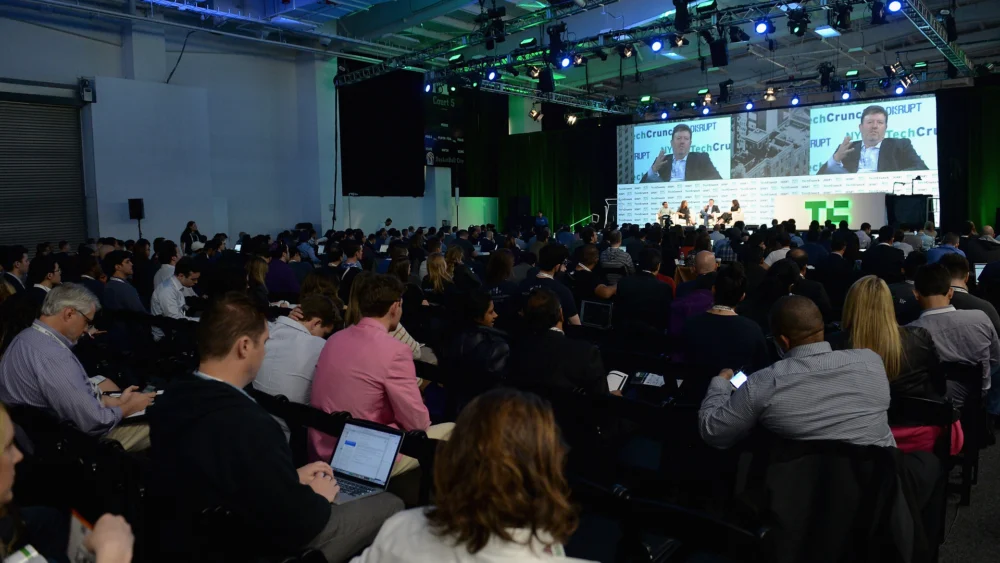
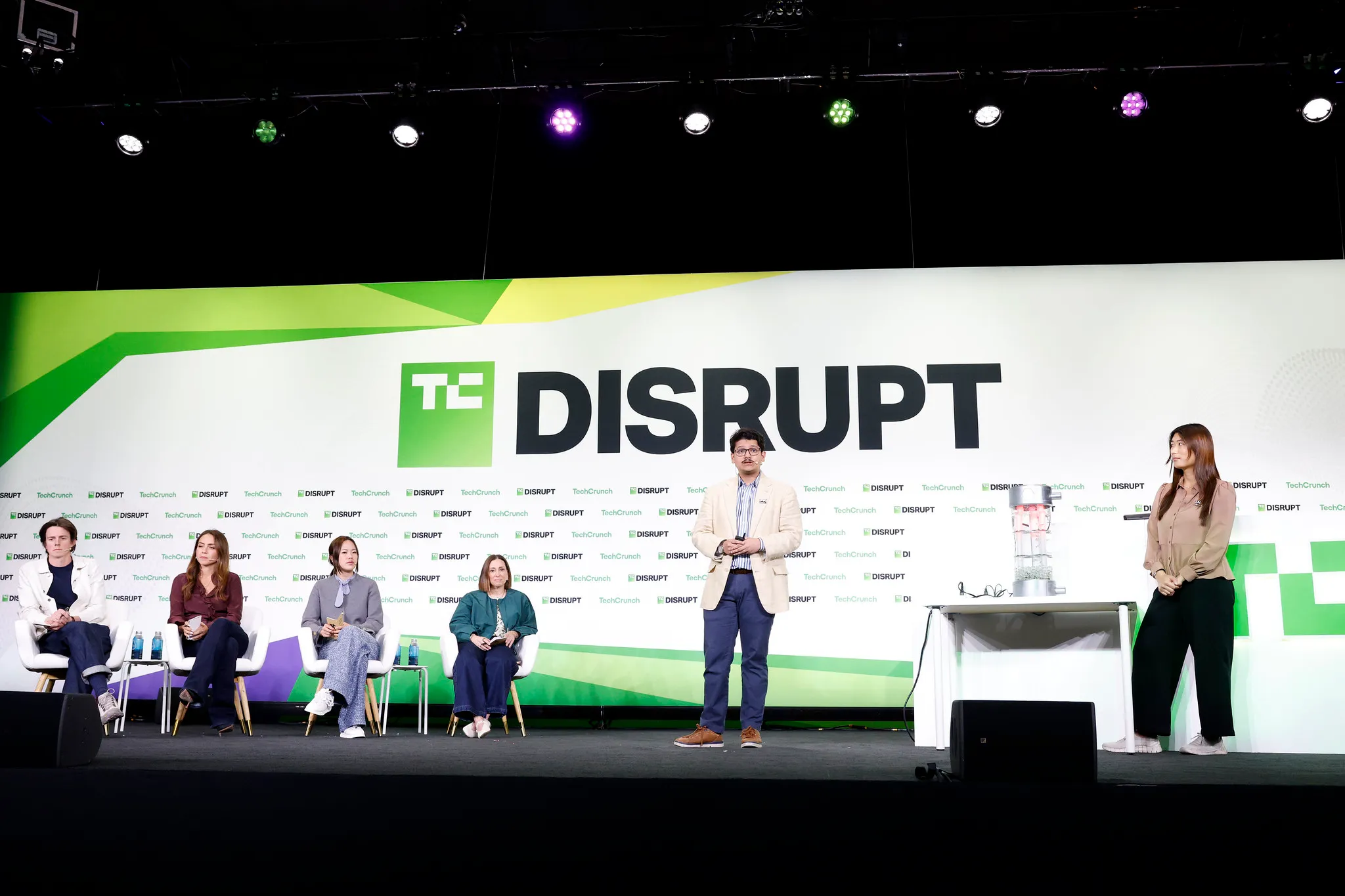
The doors of Moscone West opened this morning to signal the start of TechCrunch Disrupt 2025, an event that remains the cornerstone of the global startup ecosystem. With an estimated attendance of 10,000 founders, venture capitalists, and engineers, the three-day summit serves as a high-pressure crucible for the technologies that will likely dominate the global economy through the 2030s. The opening day’s proceedings underscored a significant shift in the Silicon Valley narrative, moving away from the speculative fervor of previous years toward a disciplined focus on artificial intelligence (AI) integration, the commercialization of space, and the complex logistics of taking late-stage companies public in a volatile macroeconomic environment.
The Evolution of the Startup Battlefield and the Search for Value
Central to the Day 1 agenda is the Startup Battlefield 200, an elite cohort of early-stage companies selected from thousands of global applicants. The competition, often referred to as the "World Series of pitch competitions," has a storied history of debuting companies that later become household names, including the likes of Dropbox, Mint, and Fitbit. This year, the stakes are particularly high as the finalists compete for a $100,000 equity-free prize and the prestigious Disrupt Cup.
The first two sessions of the Battlefield today featured a rigorous vetting process by a panel of seasoned investors, including Allison Baum Gates of SemperVirens VC, Cathy Friedman of GV, and Thomas Krane of Insight Partners. The judging criteria have notably evolved; while previous years prioritized user growth and "disruption" potential, the 2025 panels are placing a heavier emphasis on unit economics, defensive moats in the age of generative AI, and sustainable scaling. The first session highlighted the "Startup Battlefield 200 Sustainability Pitches," reflecting a broader industry trend where climate tech is no longer viewed as a niche vertical but as a fundamental pillar of modern infrastructure.
Strategic Insights from Industry Titans
The Disrupt Stage hosted a series of "fireside chats" that provided a macro-level view of the industry. Tekedra Mawakana, co-CEO of Waymo, delivered a "Self-Driving Reality Check," addressing the operational hurdles of scaling autonomous vehicle fleets across urban environments. As Waymo continues to expand its service areas, Mawakana’s insights provided a sobering but optimistic look at the transition from research and development to a profitable service model.
Following the autonomous vehicle discussion, Roelof Botha, Managing Partner at Sequoia Capital, took the stage to discuss the venture capital firm’s outlook for the coming years. Sequoia, which has been an early investor in many of the world’s largest tech companies, is currently navigating a landscape where "AI agents" and verticalized AI solutions are replacing the broad horizontal SaaS models of the last decade. Botha’s appearance is particularly timely, as the industry looks for signals on when the current "AI supercycle" will translate into consistent enterprise-level returns.
Astro Teller, the "Captain of Moonshots" at Alphabet’s X, also addressed the crowd, focusing on the intersection of AI and hardware. Teller’s discussion centered on how Alphabet is leveraging its "moonshot" philosophy to solve intractable problems in energy and robotics, suggesting that the next wave of innovation will move beyond the screen and into the physical world.
The Commercialization of the Final Frontier: The Space Stage
One of the most attended tracks of the day was the Space Stage, reflecting the rapid maturation of the "New Space" economy. No longer the exclusive domain of government agencies, the space sector is now a bustling marketplace for startups specializing in Low Earth Orbit (LEO) logistics, satellite data, and even extraterrestrial manufacturing.
A standout session featured William Bruey, co-founder of Varda Space Industries, who detailed the company’s plans to build the next great supply chain—in space. Varda’s focus on orbital manufacturing leverages microgravity to create materials and pharmaceuticals that are impossible to produce on Earth. This session, along with panels featuring representatives from the Jet Propulsion Laboratory (JPL) and The Aerospace Corporation, highlighted a shift in the sector: space is being reframed as a "geography" for business rather than a scientific destination.
Furthering this theme, Baiju Bhatt, the co-founder of Robinhood, presented his new venture, Aetherflux. The transition of a high-profile fintech founder into the space sector is indicative of the "founder migration" trend, where successful entrepreneurs are applying their scaling expertise to deep-tech challenges. The "Investing at the Edge of Space" panel, featuring Celeste Ford of Stellar Ventures and Chris Morales of Point72 Ventures, confirmed that capital is flowing into the sector at record rates, driven by the decreasing costs of orbital launches and the increasing demand for satellite-based telecommunications.

Navigating the Path to Liquidity: The Going Public Stage
As the IPO market shows signs of thawing after a prolonged period of stagnation, the "Going Public" stage provided a roadmap for founders navigating the transition from private to public ownership. David George of Andreessen Horowitz addressed the perennial question: "How long should a startup stay private?" His analysis suggested that while the "private for longer" trend dominated the 2010s, the current environment demands a return to public market discipline earlier in a company’s lifecycle to provide liquidity for employees and early investors.
Don Burnette of Kodiak AI shared firsthand experiences on rethinking the exit strategy, while Eric Yuan, founder and CEO of Zoom, joined Santi Subotovsky of Emergence Capital to discuss what comes after breakout success. Their conversation touched on the "second act" problem—how a company maintains its innovative edge once it has achieved market dominance and must answer to public shareholders.
The Builders Stage: Operational Excellence in a Time of Uncertainty
For the thousands of founders in attendance, the Builders Stage offered practical, "in-the-trenches" advice. A panel featuring representatives from Insight Partners, Moxxie Ventures, and GV discussed the specific mechanics of raising a Series A in 2026. The consensus was clear: the era of "growth at all costs" is over, replaced by a "growth with efficiency" mandate.
The Builders Stage also tackled the internal dynamics of startup management. Randi Jakubowitz of 645 Ventures and Yin Wu of Pulley led a session on the complexities of equity and salary for early employees. As the competition for AI talent reaches a fever pitch, startups are having to rethink their compensation structures to compete with the "Big Tech" incumbents who can offer significantly higher cash components.
Networking and the "Shadow Disrupt" Ecosystem
Beyond the structured sessions, the "Braindate" networking lounge and the "Deal Flow Cafe" were hubs of activity. These spaces are designed to facilitate the high-value, spontaneous interactions that often lead to the formation of new syndicates or the signing of term sheets. The "Braindate" platform allows attendees to book specific slots for 1-on-1 or small group discussions based on shared technical or business interests, ensuring that the networking is targeted and productive.
The energy of Disrupt extends well beyond the walls of Moscone West. The "Disrupt 2025 Side Events" have effectively turned the city of San Francisco into a week-long tech festival. From "Pitch & Drink" sessions hosted by AltaIR Capital to deep-tech meetups organized by SOSV, these events provide a more informal setting for the community to coalesce. Tonight’s schedule includes a high-profile "Rooftop AI Debate" and a screening of short films focused on "Humane AI," reflecting the industry’s ongoing grapple with the ethical implications of its creations.
Broader Impact and Market Analysis
The opening day of TechCrunch Disrupt 2025 serves as a barometer for the health of the global venture ecosystem. Several key themes have emerged that suggest a "normalization" of the market. First, the dominance of AI is absolute, but the focus has shifted from the models themselves to the "plumbing"—the data infrastructure and go-to-market (GTM) engines required to make AI functional for the enterprise.
Second, there is a clear resurgence of interest in "Hard Tech." The crowded sessions at the Space and Builders stages suggest that investors are looking for companies that solve physical-world problems, perhaps as a hedge against the perceived saturation of the software market.
Finally, the geographical diversity of the "Pavilion Pitch Sessions"—featuring startups from Japan (JETRO), Korea (KOTRA), and the Sultanate of Oman—highlights that while San Francisco remains the epicenter, the "Disrupt" model is now a global phenomenon. These international delegations are not just looking for American capital; they are looking to integrate their local innovations into the global supply chain.
As Day 1 concludes, the momentum is set for a week of intense negotiation and discovery. With two more days of programming, including the final round of the Startup Battlefield and more deep dives into the AI Disruptors 60, TechCrunch Disrupt 2025 is poised to provide a definitive look at where the technology industry is headed in an era defined by rapid change and unprecedented technical capability. The "electric energy" described by early attendees is more than just excitement; it is the sound of the next generation of industry leaders getting to work.