admin
admin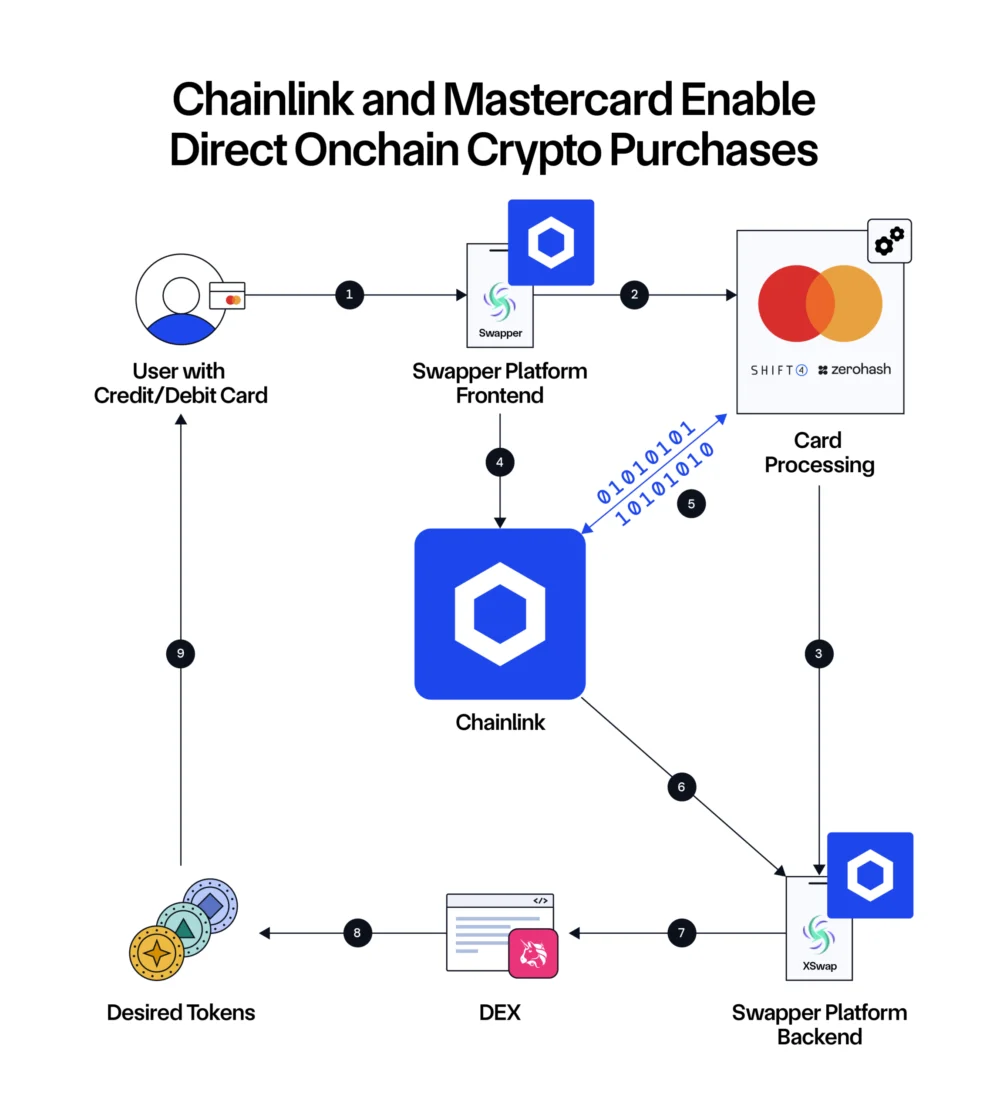
Stablecoins are rapidly cementing their position as a fundamental pillar of modern onchain finance, bridging the traditional financial world with the innovative capabilities of blockchain technology. By marrying the familiar stability of major fiat currencies with the inherent programmability of decentralized networks, these digital assets facilitate global, 24/7 transferability, unlock unprecedented composability with tokenized assets, and enable an entirely new generation of financial use cases. Today, stablecoins are not just a nascent concept; they represent a significant force, moving hundreds of billions of dollars in daily transaction volume, underscoring their critical role in the ongoing convergence of conventional and blockchain-native financial systems.
The Rise of Stablecoins and Their Foundational Challenges
The advent of stablecoins marked a pivotal moment in the evolution of digital assets. Unlike volatile cryptocurrencies, stablecoins are designed to maintain a stable value, typically pegged to a fiat currency like the U.S. dollar, commodities, or even other cryptocurrencies. This stability is precisely what makes them attractive for a myriad of applications, from international remittances and cross-border payments to decentralized lending and trading, offering speed, transparency, and lower costs compared to traditional banking rails.
However, the immense opportunities presented by stablecoins are accompanied by equally significant challenges, particularly for issuers tasked with safeguarding vast amounts of underlying value. To achieve widespread institutional adoption and regulatory acceptance, a stablecoin must be underpinned by infrastructure that is not only secure and battle-tested but also capable of providing real-time verification of its asset reserves, adhering to stringent compliance requirements across diverse jurisdictions, and seamlessly interoperating with both established financial market infrastructure and the rapidly expanding ecosystem of public and private blockchains. The lack of such robust, integrated infrastructure has historically been a significant hurdle, leading to concerns about transparency, regulatory risk, and fragmentation within the digital asset landscape.

Chainlink: The All-in-One Oracle Platform for Stablecoin Lifecycle Management
Enter Chainlink, the industry’s leading decentralized oracle network, which has emerged as the definitive all-in-one platform engineered to address these multifaceted challenges for stablecoin issuers. With an impressive track record of securing over 70% of the decentralized finance (DeFi) market and having enabled more than $28 trillion in onchain transaction value, Chainlink has earned the trust of prominent banks, asset managers, and financial market infrastructures worldwide. Its comprehensive platform empowers stablecoin issuers to unlock critical capabilities essential for achieving scale, security, and mainstream institutional adoption.
Chainlink’s suite of solutions integrates data, computation, and interoperability, providing an end-to-end framework that supports the entire lifecycle of a stablecoin, from issuance and reserve management to cross-chain transfers and regulatory compliance. The platform’s robust and decentralized architecture ensures that stablecoins can operate with the reliability and verifiability demanded by enterprise-grade applications.
1. Real-Time Data and Verified Reserves: Elevating Transparency
In an era where institutional participants demand unparalleled transparency and timeliness, manual attestations and delayed audits for stablecoin reserves are no longer sufficient. Chainlink Proof of Reserve (PoR) directly addresses this by providing automated, continuous, and onchain verification of a stablecoin’s underlying collateral in near real time. This innovation is crucial in mitigating risks associated with opaque reserve management, which has historically been a point of vulnerability for some stablecoin projects.
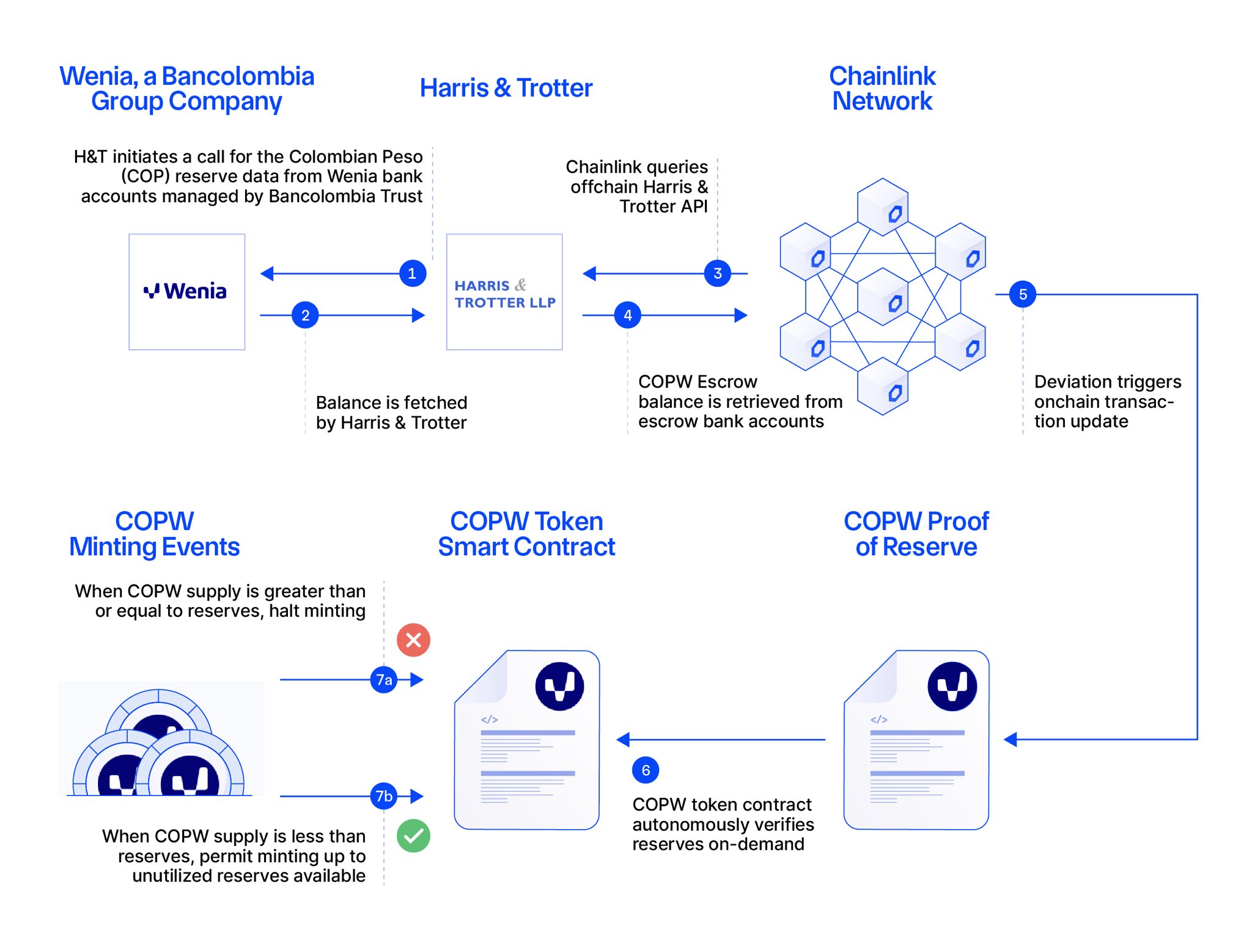
Using decentralized oracle networks, Proof of Reserve consistently monitors both on- and offchain assets that back a stablecoin. Whenever reserve balances fluctuate, cryptographic proofs are published directly to the blockchain, creating an immutable and publicly verifiable record. This revolutionary approach eliminates reliance on human-dependent attestations, ensuring that a stablecoin’s collateralization ratio is perpetually visible and auditable by regulators, exchanges, and end-users alike. The system also offers a critical balance between transparency and privacy by verifying and publicly reporting the aggregated total of distributed holdings without disclosing individual wallet addresses. This ensures that even during operational procedures like key rotations, reserves remain continuously verifiable.
Furthermore, Chainlink’s Secure Mint functionality seamlessly integrates Proof of Reserve data directly into a stablecoin’s minting and redemption logic. This creates automated guardrails around token supply, ensuring that minting operations are only authorized when reserve assets are verified as deposited. Conversely, when collateral is withdrawn or redeemed, the same automated workflows can initiate token burns, all without manual intervention. This automated control framework is a direct response to past incidents, such as the technical error where a PayPal crypto partner reportedly over-minted trillions of stablecoins, leading to market disruption. By programmatically tying issuance to verified collateral, Secure Mint guarantees that the onchain supply of a stablecoin precisely matches its underlying reserves, preventing catastrophic over-minting events and bolstering investor confidence.
Leading institutions are already leveraging these capabilities. Wenia, the digital asset arm of Bancolombia Group, one of Latin America’s largest financial conglomerates, utilizes Proof of Reserve to deliver continuous, automated verification of its fiat reserves, ensuring robust transparency for its COPW stablecoin. Similarly, OpenEden has integrated Proof of Reserve to provide independent, onchain verification for USDO, which is backed by tokenized U.S. Treasuries, offering unprecedented transparency in the realm of tokenized real-world assets.
Beyond reserve verification, Chainlink’s broader data infrastructure, including Price Feeds, SmartData, and DataLink, delivers secure, high-frequency, and institutional-grade data directly onchain. This comprehensive data suite provides the full spectrum required to scale any stablecoin or tokenized asset. The impact is far-reaching: S&P Global Ratings, for instance, is bringing its Stablecoin Stability Assessments (SSAs) onchain via DataLink. This enables real-time, independently verified risk evaluations to be embedded directly into DeFi protocols and institutional risk frameworks, providing unprecedented clarity for market participants. Mento, a decentralized FX infrastructure supporting over 15 stablecoins and processing approximately $20 billion in annualized volume for 7 million users, has adopted Chainlink Price Feeds to ensure its assets are consistently backed by real-time, verifiable data, crucial for cross-border remittances.
2. Built-in Privacy and Programmable Compliance: The Regulatory Imperative
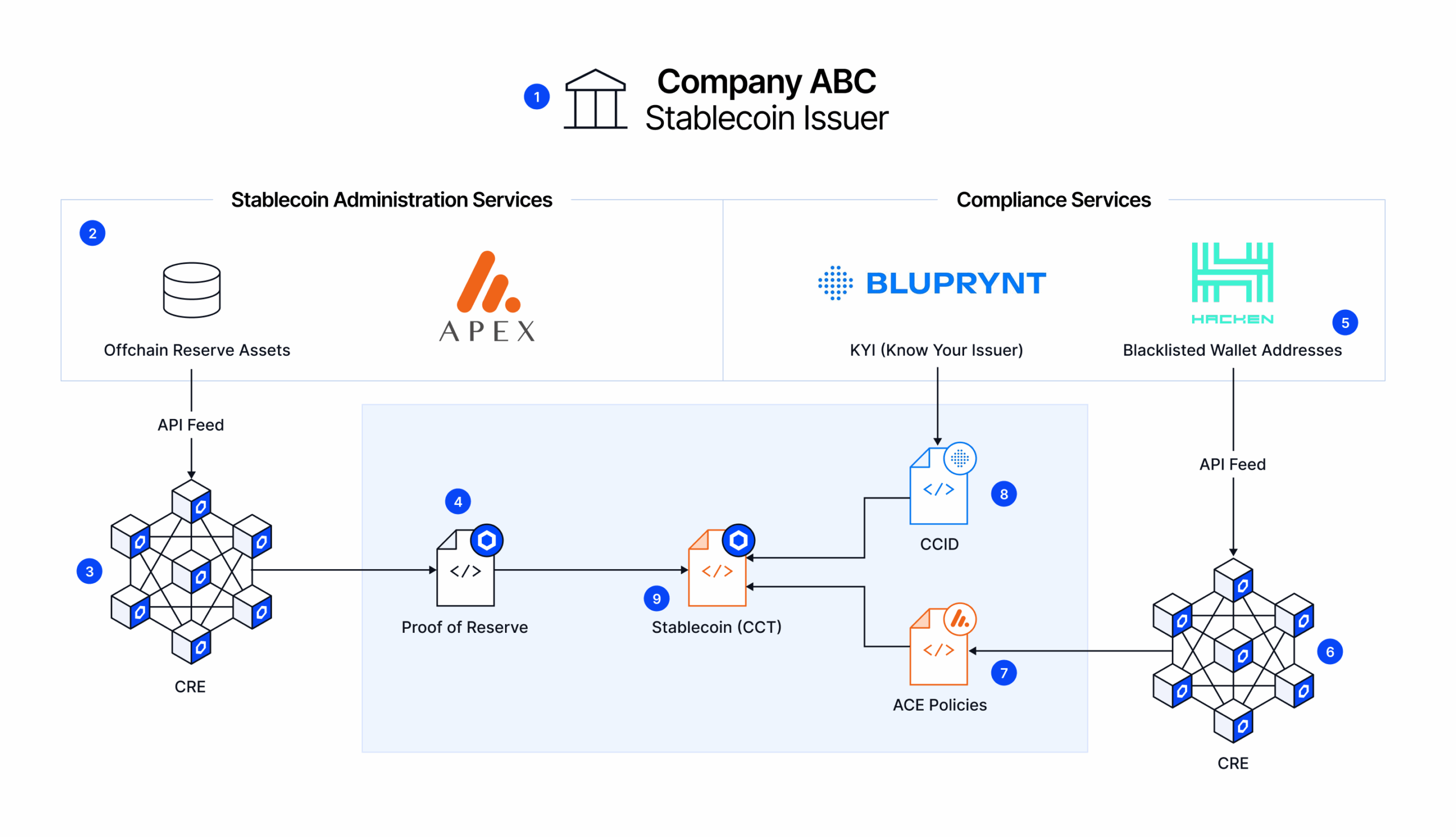
As stablecoins increasingly integrate into regulated financial systems, compliance can no longer be an external, post-facto process. It must be woven natively into the token’s foundational infrastructure. Chainlink’s Automated Compliance Engine (ACE) makes this integration possible by embedding compliance logic directly into the smart contract layer. ACE empowers issuers to codify and programmatically enforce a wide range of compliance rules, from jurisdictional restrictions and Know Your Customer (KYC)/Anti-Money Laundering (AML) requirements to counterparty eligibility, all within onchain workflows. Each transaction can be automatically approved, flagged, or blocked based on predefined regulatory conditions, significantly streamlining compliance processes and reducing manual overhead.
Complementing ACE, Chainlink Confidential Compute provides a critical layer of protection for sensitive information, such as identity credentials and transaction logic. It enables verifiable, privacy-preserving computation, allowing essential workflows like whitelist management, sanctions screening, or creditworthiness validation to execute securely without exposing private data onchain. This dual approach ensures that issuers can simultaneously maintain stringent regulatory alignment, uphold data privacy standards, and achieve superior operational efficiency, a triad crucial for institutional adoption.
A significant partnership illustrating this capability is the collaboration between Chainlink and Apex Group, which successfully created a solution for regulatory-grade stablecoin infrastructure in conjunction with the Bermuda Monetary Authority (BMA). This initiative supports the BMA’s embedded supervision framework, demonstrating how Chainlink’s technology can facilitate proactive regulatory oversight. The solution comprises several features designed to enable compliant and secure stablecoin operations, proving that advanced blockchain infrastructure can meet the rigorous demands of financial regulators. This embedded supervision model is a blueprint for how other jurisdictions can approach digital asset regulation, fostering innovation within a secure and compliant framework.
3. Cross-Chain Liquidity Without Fragmentation: Unifying the Digital Economy
The current landscape of stablecoins is often characterized by fragmented pools of liquidity, where a stablecoin deployed on one blockchain cannot easily serve users, applications, or markets on another. This fragmentation limits utility and scalability. Chainlink addresses this challenge head-on through its groundbreaking Cross-Chain Interoperability Protocol (CCIP) and the innovative Cross-Chain Token (CCT) standard.
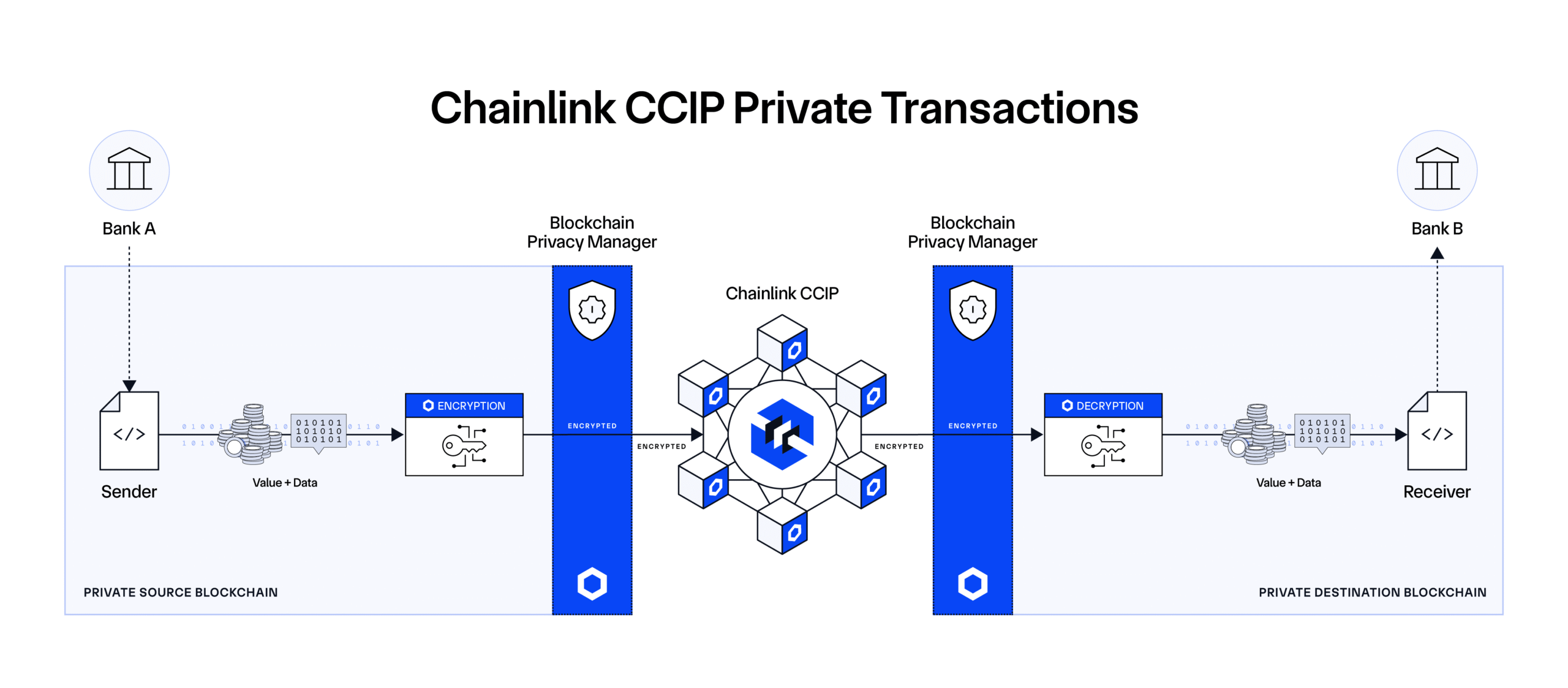
CCIP provides a universal messaging and value transfer layer, enabling stablecoins to move seamlessly and securely between disparate blockchain networks. Critically, it offers the same level of cryptographic assurance and reliability as traditional payment systems, instilling confidence in institutional users. The CCT standard further enhances this by ensuring that a stablecoin’s total supply, reserve data, and transaction logic remain perfectly synchronized across all connected chains. Designed as a self-serve, issuer-controlled framework, the CCT standard grants end-users full ownership over deployment, configuration, and policy management, empowering them to define precisely how their assets traverse the multi-chain ecosystem. This level of control over security, compliance, and governance, combined with Chainlink’s proven interoperability infrastructure, is vital for large-scale adoption.
CCIP is already being embraced by leading financial institutions to enable secure interoperability across both public and private blockchains. ANZ Bank, one of Australia’s largest financial institutions, has utilized Chainlink CCIP Private Transactions to facilitate secure cross-chain transfers between a private enterprise network and a public blockchain, showcasing the protocol’s versatility and enterprise readiness. Beyond traditional banks, prominent stablecoin issuers such as Falcon Finance (USDf), World Liberty Financial (USD1), and Aave (GHO) are leveraging Chainlink’s interoperability standard to achieve unified liquidity across multiple blockchains, maximizing their stablecoins’ reach and utility. Furthermore, FairsquareLab, a leading digital asset infrastructure technology provider, is integrating CCIP into Project PAX, a significant initiative involving major financial institutions in Asia, including Shinhan Bank, NH NongHyup Bank, and K Bank in South Korea, alongside Progmat. This collaboration highlights the growing demand for robust cross-chain solutions in the institutional space.
4. Customizable Workflows, Managed From Existing Systems: Bridging Offchain and Onchain
Stablecoin issuers often face significant operational hurdles when managing complex processes like reserve attestations, token issuance workflows, and compliance approvals. This typically leads to the development of bespoke infrastructure for each blockchain they operate on, a practice that becomes increasingly cumbersome and inefficient as operations scale. The need to repeatedly rebuild similar workflows across different chains presents a major impediment to growth and standardization.
The Chainlink Runtime Environment (CRE) offers a powerful solution by providing a programmable, verifiable orchestration layer that securely connects onchain smart contracts with offchain financial systems, compliance tools, and data providers. Using CRE, stablecoin issuers can automate critical workflows such as reserve attestation and liquidity management, significantly enhancing efficiency and reducing the potential for human error. Each workflow can be automatically triggered by offchain events—such as fiat settlement confirmations, compliance approvals, or treasury instructions—and executed atomically onchain. This atomic execution eliminates reconciliation gaps and manual intervention, ensuring that complex multi-step processes are completed seamlessly and reliably.
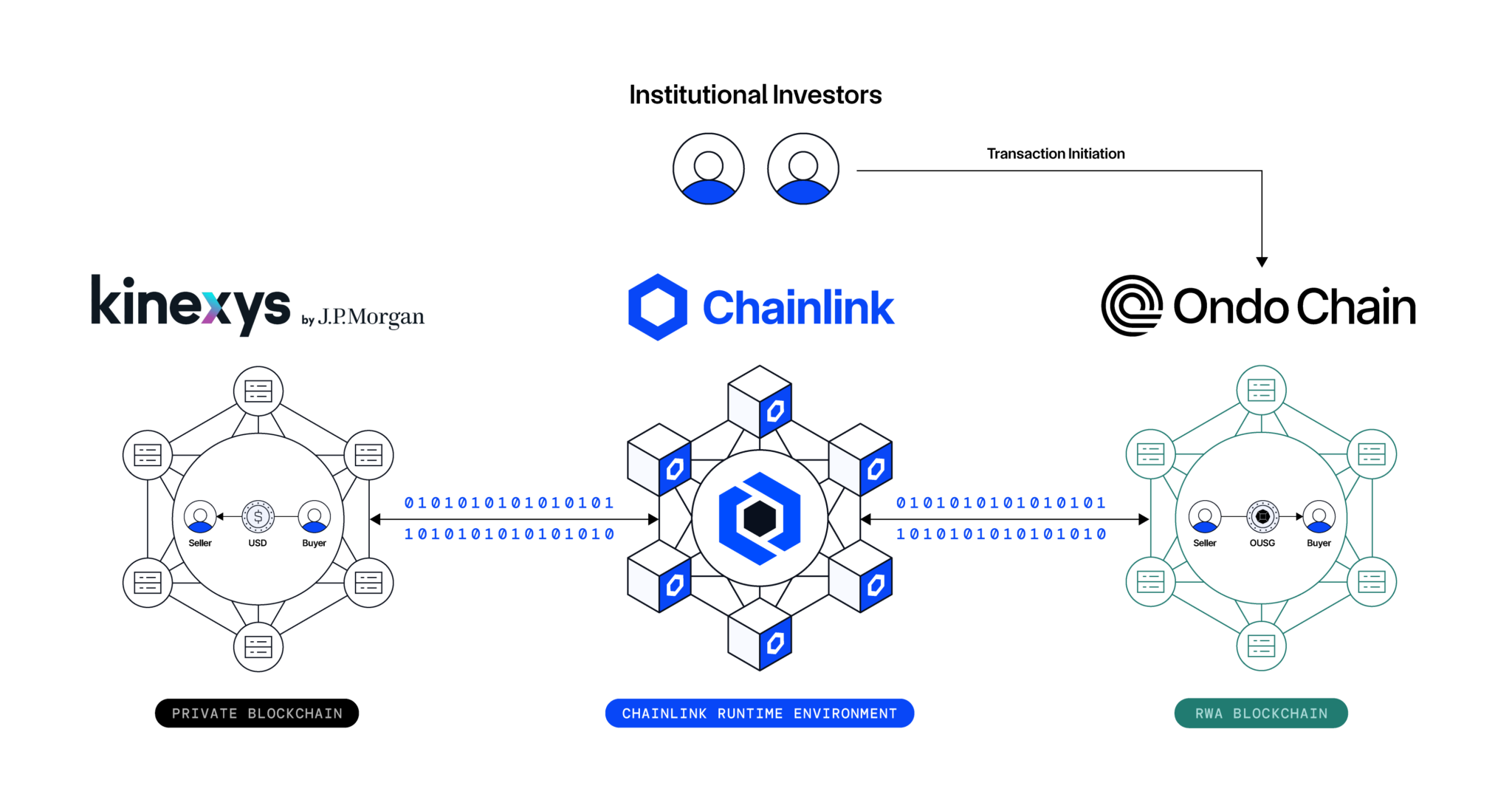
The effectiveness of CRE has been proven through collaborations with major financial institutions. Notably, Chainlink, Kinexys by J.P. Morgan, and Ondo Finance successfully executed a cross-chain Delivery versus Payment (DvP) transaction. This landmark event involved a seamless settlement between Kinexys Digital Payments’ permissioned blockchain network and the Ondo Chain testnet, with the Chainlink Runtime Environment orchestrating the entire end-to-end process. This demonstrates CRE’s capability to bridge traditional bank payment rails with tokenized asset markets, leveraging standardized data structures that underpin today’s global financial system. Such integrations are critical for institutional adoption, allowing traditional financial players to leverage blockchain benefits without completely overhauling their existing infrastructure.
5. Access to Distribution Channels: Expanding Market Reach
Chainlink is not merely a technology provider; it is a catalyst driving the convergence of traditional and onchain finance. With thousands of projects integrated within the Chainlink ecosystem, the platform provides stablecoin issuers with unparalleled access to a global network of decentralized applications, protocols, and users. This extensive connectivity translates into immediate access to liquidity, seamless integrations, and new distribution channels, significantly accelerating the adoption curve for new stablecoins.
To further catalyze stablecoin innovation and adoption, Chainlink has partnered with GSR, a leading global crypto market maker, to launch a stablecoin enablement program. This initiative is designed to support qualified issuers throughout the entire lifecycle of their stablecoin projects, aligning Chainlink’s cutting-edge data, interoperability, privacy, and compliance standards with GSR’s deep expertise in capital markets. This strategic alliance provides issuers with a comprehensive support system, combining technological prowess with market access and financial acumen.
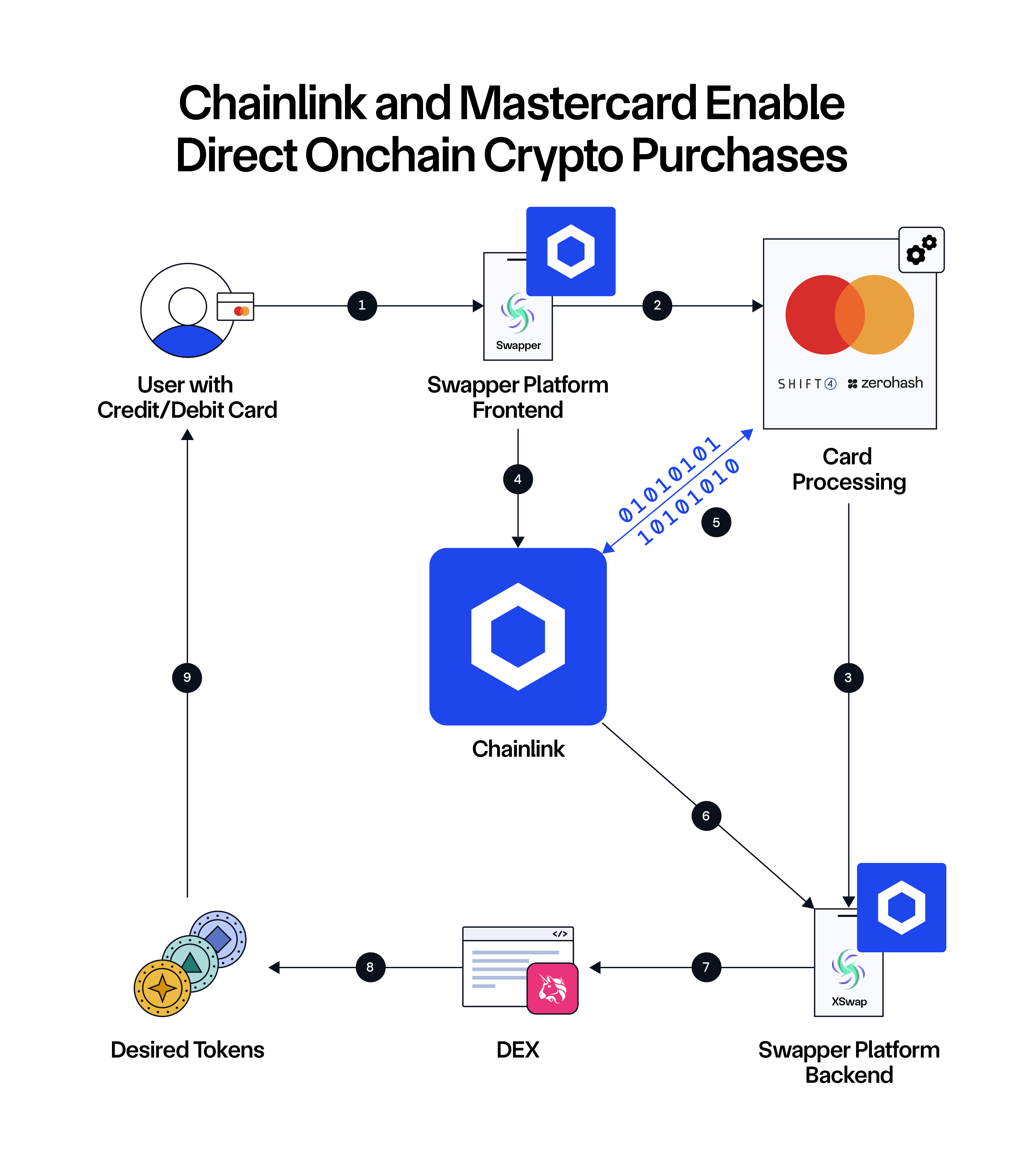
Another groundbreaking partnership is the collaboration between Mastercard and Chainlink to power Swapper Finance, an innovative platform that enables users to purchase crypto directly from decentralized exchanges (DEXs) using any Mastercard. This initiative opens up the world of onchain finance to Mastercard’s vast network of over 3.5 billion cardholders, allowing them to directly purchase crypto onchain through instant and secure crypto-to-fiat conversion. Swapper is powered by XSwap, a leading DEX incubated within the Chainlink Build program, and leverages the Chainlink standard for data and interoperability via an integration between zerohash and Shift4 Payments, all backed by Mastercard’s global payment rails. This initiative is a testament to Chainlink’s role in democratizing access to digital assets by seamlessly integrating traditional payment methods with decentralized finance.
Building the Next Era of Digital Money
Stablecoins are rapidly evolving beyond niche digital assets to become a foundational layer of the burgeoning digital economy. They are embedding trusted fiat value into systems that can operate seamlessly across diverse markets, regulatory jurisdictions, and technological stacks. However, to fully realize this transformative potential, stablecoins require an infrastructure that is inherently secure, compliant, and interoperable by design.
Chainlink, with its comprehensive platform and proven track record—enabling over $28 trillion in transaction value and adopted by leading financial institutions and market infrastructures worldwide—delivers precisely the reliability, scalability, and connectivity that stablecoin issuers need to operate with confidence. By addressing the core challenges of transparency, compliance, fragmentation, and operational complexity, Chainlink is not just supporting the stablecoin ecosystem; it is actively shaping the next era of digital money, facilitating a future where digital assets are secure, universally accessible, and seamlessly integrated into the global financial landscape. The journey towards a fully digitized and interconnected financial system is accelerating, with Chainlink at its core, enabling stablecoins to fulfill their promise as the trusted bridge between traditional finance and the decentralized future.