admin
admin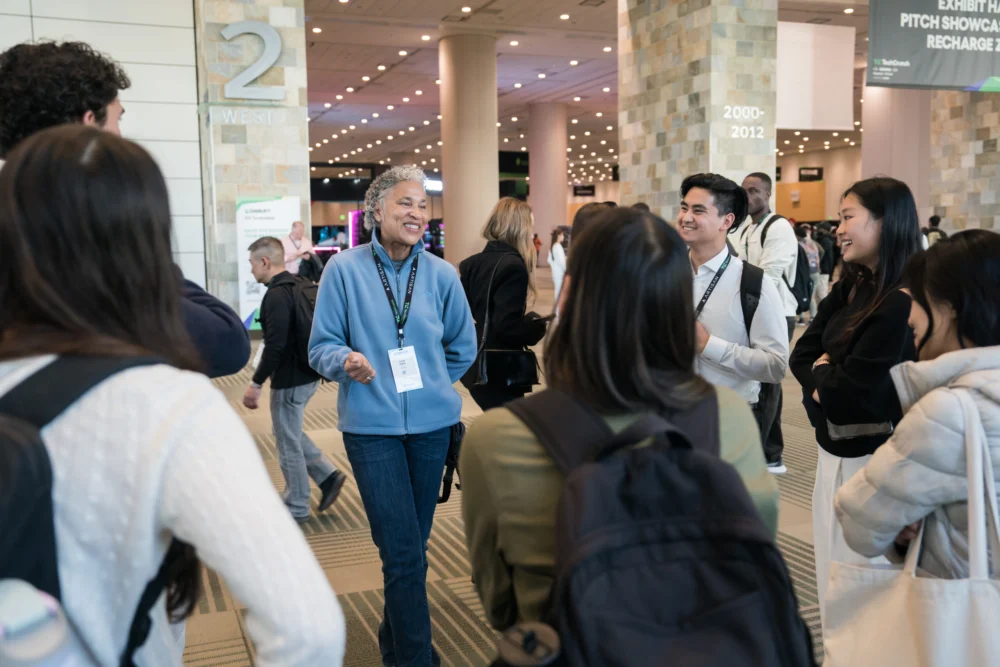
The final day of TechCrunch Disrupt 2025 commenced this morning at Moscone West in San Francisco, marking the conclusion of one of the global technology sector’s most influential annual gatherings. As the three-day event reaches its peak, the focus has shifted toward the highly anticipated Startup Battlefield 200 finale, where the next generation of category-defining companies competes for the coveted Disrupt Cup and a $100,000 equity-free grand prize. The atmosphere within the venue remains high-energy, as investors, founders, and engineers gather to witness the crowning of a winner and engage with a final series of high-stakes discussions regarding the trajectory of the digital economy.
Since its inception, TechCrunch Disrupt has served as a critical launchpad for startups that have gone on to redefine their respective industries. Past participants and winners include household names such as Dropbox, Fitbit, and Cloudflare. The 2025 edition continues this tradition, occurring against a backdrop of significant shifts in the venture capital landscape and a relentless surge in artificial intelligence development. For those still looking to participate in the closing hours of the summit, organizers have maintained a final registration window, offering a 50% discount for late-stage attendees who wish to access the Expo Hall and the closing keynote sessions.
Logistics and Operational Overview for the Final Day
The final day of Disrupt 2025 follows a rigorous operational schedule designed to maximize networking and knowledge transfer. The registration desk at Moscone West opened at 8:00 a.m. and will remain operational until 3:30 p.m. to accommodate final-day attendees and media representatives. Event organizers have emphasized strict security protocols, requiring all participants to present a government-issued photo ID that matches the name on their digital ticket to receive a scannable badge.
The morning began with an exclusive Investors Breakfast Fireside Chat held at the Deal Flow Cafe. This session, restricted to Investor Pass holders, focused on "Innovation in the Next Decade," specifically examining the next generation of growth engines and evolving funding models in an era of higher interest rates compared to the previous decade. This high-level discussion set the tone for a day centered on sustainability, scale, and the practical application of emerging technologies.
The AI Stage: From Generative Models to Agentic Systems
Artificial intelligence continues to dominate the discourse at Disrupt 2025, with the AI Stage hosting a series of sessions that move beyond the initial hype of Large Language Models (LLMs) toward functional, "agentic" systems. A key highlight of the morning was the session featuring Will Grannis, Chief Technology Officer of Google Cloud, who detailed how the tech giant is building infrastructure specifically for the "Agentic Cloud." This transition represents a shift from AI as a passive tool to AI as an active participant capable of executing complex workflows autonomously.
Furthering the discussion on AI reliability, Thomas Wolf, co-founder and Chief Science Officer of Hugging Face, shared insights into shaping the open-source AI stack. As the industry grapples with the "black box" nature of proprietary models, Wolf’s perspective on transparency and community-driven development remains a cornerstone of the technical track. The AI Stage also delved into the intersection of technology and human relationships with a panel titled "Love, Lies & Algorithms," featuring researchers from the Kinsey Institute and product leaders from Tinder and Replika. This session explored the psychological and social implications of AI integration into the most personal aspects of human life.
National security also took center stage with a panel featuring Justin Fanelli, CTO of the U.S. Department of the Navy, and Kathleen Fisher of the RAND Corporation. The discussion highlighted the "high-stakes race to innovate," focusing on how the public sector is attempting to keep pace with private-sector AI advancements to ensure domestic security and infrastructure resilience.
Builders Stage: Navigating the 2025 Startup Ecosystem
On the Builders Stage, the focus remained on the pragmatic realities of founding and scaling a company in the current economic climate. A pivotal session, "Seed Money Secrets Every Founder Should Know," featured partners from Harlem Capital, MaC Venture Capital, and Freestyle Capital. The panelists provided a data-driven look at the current state of early-stage funding, noting that while the "growth at all costs" era has ended, capital remains available for startups demonstrating clear paths to profitability and strong unit economics.
The concept of "Vibe Coding" and its impact on technical hiring was another point of contention. Leaders from Sentry, Warp, and Bessemer Venture Partners debated whether early-stage startups still need to prioritize "10x engineers" or if AI-assisted coding tools have leveled the playing field, allowing smaller teams to achieve outsized results. This discussion is particularly relevant as data suggests that the average size of a technical founding team has slightly decreased as AI productivity tools have matured.
Global hiring and the role of cryptocurrency in payroll were also addressed. Francoise Brougher, CEO of Pebl, and Aileen Lee, founder of Cowboy Ventures, discussed the decreasing friction in cross-border employment. They analyzed how decentralized finance (DeFi) tools are being integrated into traditional corporate structures to facilitate faster, more transparent international transactions.
The Disrupt Stage and the Startup Battlefield Finale
The Disrupt Stage remains the centerpiece of the event, hosting the most high-profile speakers and the culmination of the startup competition. Earlier today, San Francisco Mayor Daniel Lurie took the stage to discuss "Rebuilding the City that Builds Startups." His appearance is seen as a strategic effort to reinforce San Francisco’s status as the global epicenter of tech, despite recent narratives regarding "tech flight" to other hubs like Austin or Miami.

Following the Mayor, Aaron Levie, co-founder and CEO of Box, provided a retrospective on his journey as a "Cloud OG." Levie’s insights into reinvention and scaling are considered invaluable for founders navigating the transition from startup to legacy enterprise.
The afternoon’s main event is the Startup Battlefield Final. This year’s judging panel consists of industry titans, including Kirsten Green of Forerunner, Kevin Hartz of A*, Aileen Lee of Cowboy Ventures, and Kevin Rose of Digg. These judges are tasked with evaluating the final group of startups selected from the initial "Battlefield 200." The competition is known for its rigor, with founders facing intense questioning regarding their technology, market fit, and defensibility. The winner, to be announced late this afternoon, will join an elite group of alumni that have collectively raised billions in follow-on funding.
The Intersection of Culture, Sports, and Technology
In a notable shift toward the democratization of tech investment, the afternoon schedule includes a session with NBA champion and fintech entrepreneur Tristan Thompson. Titled "From Courtside to Code," the discussion explores how professional athletes are increasingly leveraging their platforms and capital to influence the startup ecosystem. Thompson’s move into fintech mirrors a broader trend of "celebrity capital" becoming a sophisticated and permanent fixture in Silicon Valley.
Additionally, the event features Anatoly Yakovenko, co-founder of Solana, who discussed the "Next Chapter" for the crypto industry. Following a period of intense regulatory scrutiny and market volatility, Yakovenko’s insights into high-performance blockchain applications suggest a renewed focus on utility over speculation within the Web3 space.
Networking and the Broader San Francisco Ecosystem
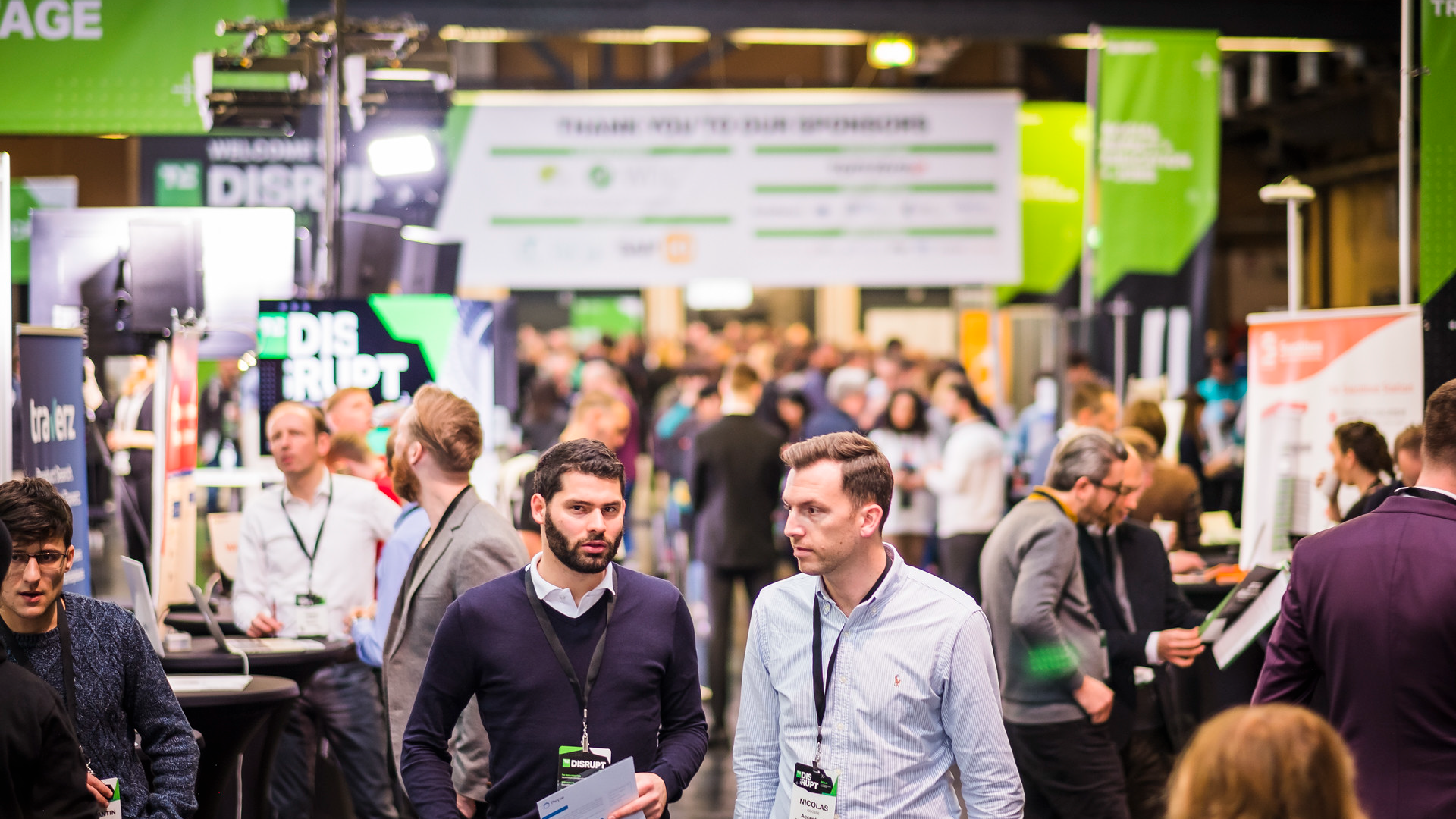
Beyond the formal stages, the Expo Hall at Moscone West has served as a bustling hub for over 300 exhibiting startups. These companies, representing sectors from deep tech to consumer SaaS, have spent the last 48 hours engaging in "fast pitches" on the Pitch Showcase Stage. Today’s schedule focused on Health, Policy, and Protection pitches, reflecting the growing importance of regulatory tech and healthcare innovation.
Networking at Disrupt 2025 has been augmented by the "Braindate" platform, which allows attendees to schedule specific 1:1 or small-group discussions based on shared technical or business interests. This structured approach to networking aims to move beyond the traditional exchange of business cards, fostering deep-dive conversations that can lead to long-term partnerships.
The impact of Disrupt extends beyond the walls of Moscone West. This week, more than 80 company-hosted side events have taken place throughout San Francisco, including hackathons, investor mixers, and community meetups. This "fringe" ecosystem is a testament to the event’s ability to draw the global tech community to the city, providing a significant boost to the local hospitality and service sectors.
Fact-Based Analysis of Implications
The discussions held during TechCrunch Disrupt 2025 suggest several key trends that will likely define the technology sector through 2026. First, the "AI-everything" phase is transitioning into a "proven-utility" phase. Investors are no longer satisfied with a simple AI integration; they are demanding evidence of "agentic" capabilities that provide measurable ROI for enterprises.
Second, the geographical narrative of the tech industry appears to be swinging back in favor of San Francisco. The presence of the city’s leadership and the concentration of AI talent at the event suggest that the "San Francisco is back" sentiment is supported by the density of innovation occurring within the Bay Area.
Finally, the Startup Battlefield 200 highlights a diversification of the founder pool. With a significant presence of international startups and founders from varied backgrounds, the "typical" Silicon Valley founder profile is expanding. This diversification is likely to lead to more varied applications of technology, addressing global challenges in energy, healthcare, and national security rather than just consumer convenience.
As TechCrunch Disrupt 2025 draws to a close, the energy within Moscone West underscores a resilient tech economy. While challenges regarding regulation, ethics, and funding remain, the innovations showcased over the past three days indicate that the pace of technological change is not only sustaining but accelerating. The announcement of the Startup Battlefield winner this evening will provide a final, triumphant note to a week dedicated to the "disruption" that continues to shape the modern world.