admin
admin
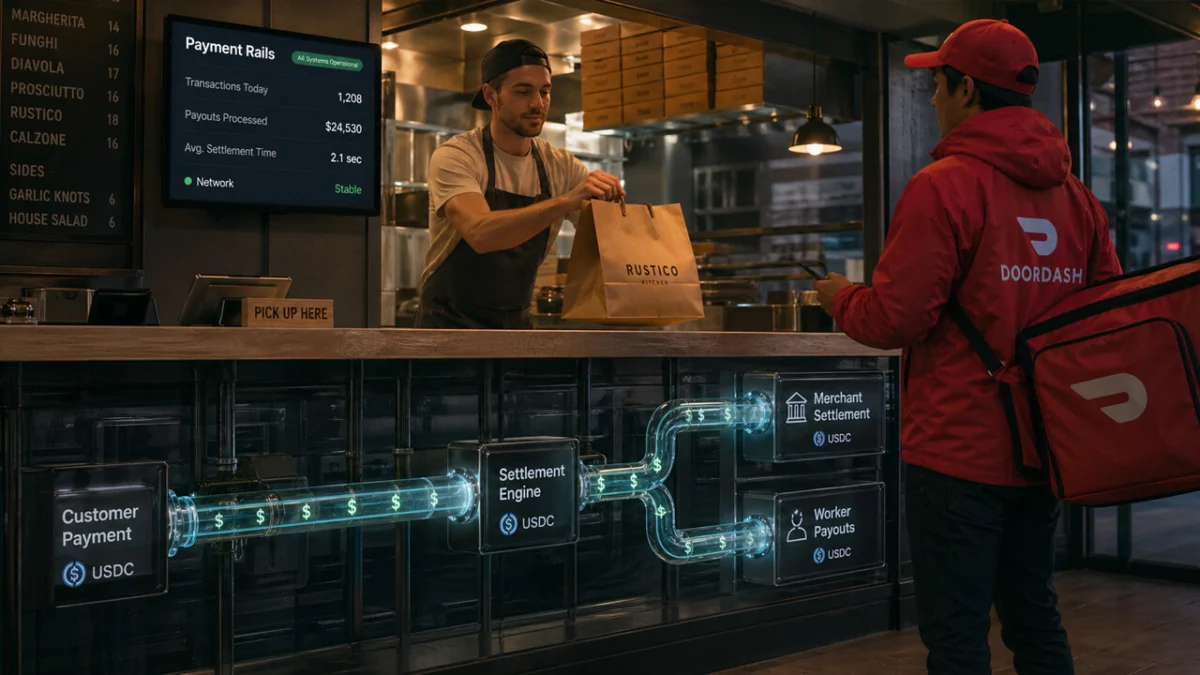
A comprehensive research study conducted by the cryptocurrency exchange Crypto.com in partnership with Worldpay from FIS has revealed a significant shift in the global financial landscape, indicating that three-quarters of surveyed consumers are eager to use digital assets for the purchase of goods and services. The joint report, titled "Crypto for Payments," underscores a burgeoning appetite for the integration of blockchain-based assets into the traditional retail ecosystem. While consumer demand is currently outpacing merchant readiness, the findings suggest that the transition from cryptocurrency as a speculative investment to a functional medium of exchange is accelerating rapidly.
The study, which surveyed approximately 110,000 Crypto.com users alongside a diverse selection of Worldpay’s global merchant base, highlights a narrowing gap between the digital asset industry and legacy financial systems. Worldpay from FIS, a major provider of technology solutions for merchants, banks, and capital markets, processes over $2 trillion in transactions annually across 146 countries. Their involvement in this study signals that traditional payment processors are increasingly viewing cryptocurrency not as a niche trend, but as a fundamental shift in how value is transferred globally.
The Discrepancy Between Consumer Demand and Merchant Adoption
One of the most striking revelations of the report is the disparity between the number of consumers ready to spend cryptocurrency and the number of merchants equipped to receive it. While 75% of Crypto.com customers expressed a desire to utilize their digital holdings for everyday purchases, only 60% of merchants surveyed by Worldpay from FIS indicated a current appetite to accept these assets. This 15% gap represents a significant untapped market opportunity for retailers who are willing to bridge the technological divide.
Currently, this lack of direct acceptance has forced consumers to find alternative routes to spend their wealth. According to the data, 64% of Crypto.com’s customers utilize prepaid crypto-linked debit cards to facilitate transactions. These cards act as an intermediary, instantly converting cryptocurrency into fiat currency at the point of sale, allowing users to shop at businesses that do not yet support direct blockchain wallet transfers. While this solution provides utility for the consumer, it often involves additional fees and does not allow the merchant to benefit from the lower transaction costs typically associated with direct on-chain payments.
The report suggests that the primary hurdles preventing merchants from adopting direct crypto payments include a lack of technical education, concerns over price volatility, and a lack of cross-stakeholder coordination. However, as infrastructure improves and more "turnkey" solutions become available from providers like Worldpay, the friction associated with onboarding is expected to decrease.
Historical Context: The Evolution of Crypto as a Medium of Exchange
To understand the significance of these findings, it is necessary to examine the historical trajectory of cryptocurrency payments. In the early years following the release of the Bitcoin whitepaper in 2008, the asset was primarily utilized by a small community of technologists. The first documented commercial transaction occurred in 2010, famously known as "Bitcoin Pizza Day," when a programmer purchased two pizzas for 10,000 BTC.
For much of the following decade, the narrative surrounding cryptocurrency shifted toward "digital gold"—a store of value rather than a medium of exchange. This was largely due to the high volatility of Bitcoin and Ethereum, as well as the limited throughput of their respective blockchains. High gas fees and slow confirmation times made buying a cup of coffee with Bitcoin impractical.
However, the timeline of adoption began to shift between 2020 and 2022. Several key developments contributed to the renewed interest in payments:
- The Rise of Stablecoins: The proliferation of assets pegged to the U.S. dollar, such as USDC and USDT, provided a solution to the volatility problem, allowing for predictable pricing in a digital format.
- Layer 2 Scaling Solutions: Technologies like the Lightning Network for Bitcoin and various Rollups for Ethereum significantly reduced transaction costs and increased speeds.
- Institutional Entry: Major payment players, including PayPal, Visa, and Mastercard, began integrating crypto features, lending legitimacy to the asset class.
The Crypto.com and Worldpay study arrives at a moment when these technological and institutional foundations have matured enough to support mass-market retail adoption.
Preferred Currencies and the Shift Toward Stability
The study also provides granular insights into which specific cryptocurrencies are preferred for transactions. Both consumers and merchants expressed a strong preference for high-market-cap assets and stablecoins. Bitcoin (BTC) and Ethereum (ETH) remain the dominant choices for those looking to spend, but there is an increasing trend toward stablecoins for practical commerce.
Stablecoins are viewed as a "bridge" between the traditional financial world and the decentralized economy. Because they maintain a 1-to-1 peg with fiat currencies, they eliminate the "settlement risk" associated with price fluctuations during the time it takes to confirm a transaction. Merchants, in particular, favor stablecoins because they simplify accounting and tax reporting processes, which can be notoriously complex when dealing with fluctuating digital assets.
Furthermore, the introduction of Layer 2 solutions has addressed the scalability concerns mentioned by respondents. By moving transactions off the main blockchain (Layer 1) and settling them in bundles, these solutions offer the near-instantaneous settlement times required for modern retail environments, whether online or in-store.
Industry-Specific Trends and Consumer Behavior
The desire to spend cryptocurrency is not uniform across all sectors. The report found that the retail and luxury goods industries show the highest levels of merchant interest. Luxury brands, in particular, have been early adopters of crypto payments as a way to appeal to a younger, "crypto-affluent" demographic. High-end watchmakers, fashion houses, and automotive dealerships have increasingly integrated crypto checkout options to facilitate high-value transactions that might otherwise be delayed by traditional banking limits or international wire transfer hurdles.
Interestingly, consumer demand is more evenly distributed than merchant interest. While merchants in the luxury space are leading the charge, customers expressed a desire to use crypto for a wide array of purchases, including:
- Travel and Hospitality: Booking flights and hotels without the need for currency exchange.
- E-commerce: General online shopping for electronics, media, and household goods.
- Gaming and Digital Content: Purchasing in-game assets, subscriptions, and NFTs.
This discrepancy suggests that while luxury brands are capturing the current market, there is a significant "long tail" of demand in everyday retail categories that remains underserved.
Barriers to Entry: Education and Infrastructure
Despite the high levels of interest, the report identifies several critical barriers that must be addressed to achieve mainstream adoption. The most prominent issue cited by merchants is a lack of understanding regarding the underlying technology and the regulatory requirements associated with it.
"A lack of education and cross-stakeholder coordination is dictating the pace at which merchants adopt this technology," the report states. Many business owners remain uncertain about how to integrate crypto payments into their existing Point of Sale (POS) systems or how to manage the tax implications of holding digital assets on a corporate balance sheet.
To address these concerns, payment processors are developing "auto-conversion" features. These allow a customer to pay in cryptocurrency while the merchant receives the equivalent value in their local fiat currency (such as USD or EUR) almost instantly. This removes the volatility risk for the merchant while still satisfying the customer’s desire to spend their crypto holdings.
Implications for the Global Financial Ecosystem
The findings of the Crypto.com and Worldpay study have broader implications for the global economy. As more consumers demand crypto payment options, traditional banks and financial institutions may be forced to accelerate their own digital asset strategies to avoid losing market share to crypto-native platforms.
From a macroeconomic perspective, the mainstreaming of crypto payments could lead to:
- Reduced Transaction Costs: By bypassing the multiple intermediaries involved in traditional credit card processing, merchants could potentially save 2% to 5% per transaction, costs that are often passed on to consumers.
- Financial Inclusion: In regions with underbanked populations, cryptocurrency provides a way for individuals to participate in the global digital economy using only a smartphone.
- Increased Velocity of Capital: 24/7/365 blockchain settlement contrasts with the traditional banking system’s reliance on business days and hours, potentially speeding up the flow of capital in international trade.
However, the report also serves as a call to action for regulators. As the volume of crypto-for-goods transactions increases, the need for clear, consistent regulatory frameworks becomes more urgent. Issues such as consumer protection, anti-money laundering (AML) compliance, and clear tax guidelines will be essential for the long-term viability of the ecosystem.
Future Outlook: Capturing the Opportunity
The joint report concludes that there is a clear and immediate opportunity for merchants to capture a new segment of consumer spending. With 75% of a 110,000-person sample size expressing a desire to shop with crypto, the "first-mover advantage" for retailers is significant. As the infrastructure continues to mature and education among business owners improves, the transition from crypto as a speculative asset to a ubiquitous payment method appears inevitable.
While the study acknowledges that Crypto.com users may have a natural bias toward the technology, the sheer scale of the survey and the involvement of a global giant like Worldpay from FIS suggest that the data reflects a genuine and growing trend in the broader marketplace. The "Crypto for Payments" report provides a roadmap for the future of digital commerce, one where the boundaries between traditional finance and the blockchain continue to blur. Merchants who recognize this shift early and implement the necessary infrastructure will be best positioned to thrive in an increasingly digitized global economy.