admin
admin
The South Korean cryptocurrency market has once again demonstrated its potent influence on altcoin valuations, with recent listings of Centrifuge’s CFG and Espresso’s ESP tokens on major domestic exchanges, Bithumb and UpBit, triggering significant price surges. This phenomenon, commonly referred to as the "Korean bid" or "listing effect," highlights the powerful role of South Korean traders in driving speculative interest and liquidity for newly introduced digital assets. Over the past week, both CFG and ESP experienced dramatic price increases following their integration into these prominent trading platforms, underscoring a recurring trend of substantial gains for mid-cap altcoins entering the Korean exchange ecosystem.
Centrifuge (CFG) and Espresso (ESP) Witness Meteoric Rises Post-Listing
Centrifuge’s native token, CFG, saw an impressive rally of 177%, climbing from a pre-listing price of approximately $0.088 to a peak of $0.24 shortly after its debut on Bithumb and UpBit. Simultaneously, Espresso’s ESP token experienced a robust surge of 103%, moving from an initial price point of around $0.10 to reach $0.195. These substantial percentage gains underscore the immediate impact of increased trading volume and speculative demand generated by South Korean investors.
The listing of these altcoins on Bithumb and UpBit, two of the largest cryptocurrency exchanges in South Korea, provides enhanced accessibility and liquidity for a significant pool of traders. This influx of interest often translates into rapid price appreciation, particularly for assets that may have previously had more limited trading opportunities or lower global visibility. The "Korean bid" has become a well-documented pattern in the cryptocurrency market, where listings on South Korean exchanges can act as a catalyst for substantial, albeit often temporary, price pumps in smaller to mid-sized altcoins.
The "Bithumb Effect" and the Wider Korean Crypto Landscape
This recent surge in CFG and ESP prices is not an isolated incident but rather a continuation of a well-established trend. South Korean centralized exchanges (CEXs), particularly Bithumb and UpBit, have consistently been associated with these "one-time pumps" in altcoin markets. Their large and active retail trading base, coupled with a propensity to list a variety of digital assets, creates a fertile ground for such speculative events.
The appeal of the Korean market for altcoin holders lies in its perceived capacity to absorb new listings and generate rapid trading volume. For many traders, these listings represent an opportunity to capitalize on the initial excitement and potential for swift returns. However, it is crucial to note that the heightened trading activity and price surges associated with these listings are often transient. As the initial fervor subsides, trading volumes typically return to pre-listing levels, and prices may stabilize or retrace their gains. The duration of these pumps can vary, typically lasting from a few days to a couple of weeks before the market dynamic shifts.
Background Context: Centrifuge and Espresso’s Ecosystems
Centrifuge (CFG): Centrifuge is a decentralized asset financing protocol that aims to bridge decentralized finance (DeFi) with real-world assets. It allows businesses to tokenize their invoices, purchase orders, and other real-world assets, enabling them to access financing from DeFi lenders. The CFG token is the native utility and governance token of the Centrifuge network, used for staking, paying transaction fees, and participating in governance decisions. The protocol’s innovative approach to unlocking liquidity for illiquid real-world assets has garnered attention within the DeFi space.
Espresso (ESP): Espresso Systems is building a modular blockchain architecture focused on improving scalability and privacy for Web3 applications. Their core offering includes a "sequencer" service that aims to provide high throughput and low transaction fees for decentralized applications. The ESP token is the native asset of the Espresso network, likely serving purposes such as staking for network security, transaction fee payments, and governance. The push for greater scalability and privacy is a critical area of development in the blockchain industry, and Espresso’s efforts are positioned to address these ongoing challenges.
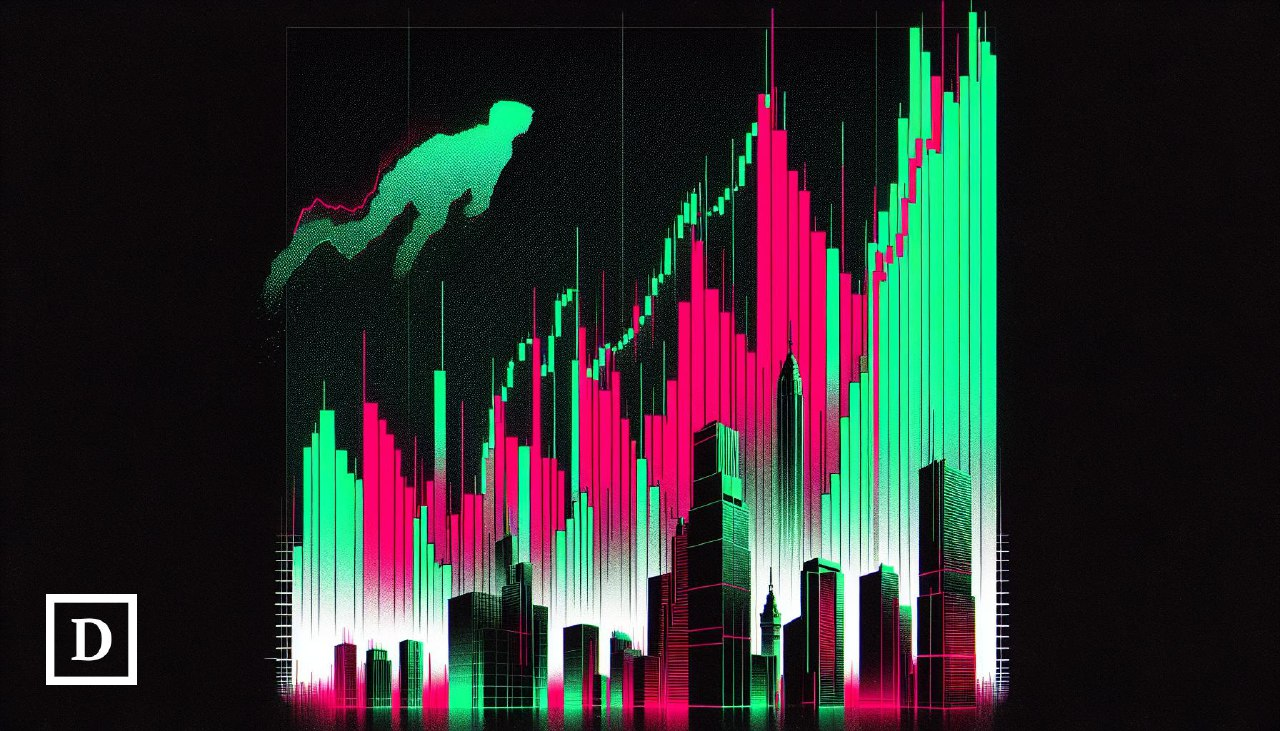
The listing of both CFG and ESP on major Korean exchanges suggests that these projects have achieved a level of recognition and market readiness that appeals to the trading preferences of South Korean investors. The rapid price appreciation can be interpreted as an indicator of investor confidence in the underlying technology and potential of these projects, amplified by the immediate liquidity and trading interest provided by the Korean market.
Chronology of Events and Market Reaction
While precise timelines for every listing and subsequent price movement are dynamic, the general pattern observed over the past week for CFG and ESP would typically follow these stages:
- Pre-Listing Anticipation: Weeks or days leading up to the announcement of a listing on Bithumb and UpBit, there might be increased speculation and discussion within crypto communities regarding the potential price impact.
- Listing Announcement: The official announcement by the exchanges would typically generate immediate interest.
- Initial Trading Surge: Upon the commencement of trading, a rapid increase in buying pressure often leads to significant price appreciation. This is the period where the "Korean bid" is most pronounced.
- Sustained Momentum (Short-Term): For a few days to a week, the heightened trading activity may continue to support elevated price levels.
- Stabilization or Retracement: As the initial speculative wave subsides and trading volumes normalize, the price may stabilize, or some of the gains could be retraced as traders take profits or the market shifts focus to other opportunities.
The accompanying chart for CFG, as indicated in the original article, visually represents this initial surge, showing a sharp upward trajectory shortly after its listing. Similar patterns would have been observed for ESP.
Broader Implications and Market Analysis
The consistent performance of altcoins listed on South Korean exchanges has several implications for the broader cryptocurrency market:
- Influence of Korean Traders: It reinforces the significant purchasing power and speculative appetite of South Korean crypto investors, particularly in driving demand for new or less-established altcoins.
- Listing Strategy for Projects: For projects seeking to increase their token’s liquidity and market visibility, listing on major Korean exchanges is becoming a strategic consideration. This can lead to faster adoption and a broader investor base.
- Volatility and Risk: While these surges offer opportunities for quick gains, they also carry inherent risks. The rapid nature of these pumps means that significant price drops can occur just as quickly, posing a risk to traders who enter positions at the peak.
- Market Sentiment Indicator: The success of such listings can also be an indicator of overall market sentiment. When retail traders are actively participating and driving speculative plays, it often suggests a period of general optimism in the crypto space.
A Notable Precedent: Bithumb’s Accidental Bitcoin Airdrop
Adding a layer of recent operational context to Bithumb’s activities, the exchange was involved in a high-profile incident earlier this month where it mistakenly airdropped over 2,000 Bitcoin (BTC) to more than 200 users. At the time of the error, this amount was valued at approximately $140 million, a stark contrast to the intended distribution of 2,000 Korean Won (KRW).
This error led to a significant disruption on the Bithumb platform, causing BTC’s price to drop by as much as 18% below the prevailing market price on the exchange. The recipients, upon realizing the substantial error, rushed to sell the erroneously distributed BTC, creating immense selling pressure. Bithumb, however, acted swiftly to mitigate the damage by freezing the accounts of most recipients before the funds could be withdrawn or offramped, thereby preventing a larger financial loss for the exchange and the market. This incident, while separate from the recent altcoin listings, highlights the operational challenges and the significant financial stakes involved in managing large cryptocurrency exchanges, especially in a rapidly evolving regulatory and technological landscape.
The resilience and continued activity of exchanges like Bithumb and UpBit, despite such operational hiccups, underscore their central role in facilitating crypto trading in South Korea. Their ability to recover and continue listing new assets, attracting substantial trading volumes, speaks to the enduring strength of the South Korean crypto market. The dynamic interplay between innovative projects like Centrifuge and Espresso, and the potent trading power of the Korean market, will likely continue to shape altcoin performance in the months and years to come.