admin
admin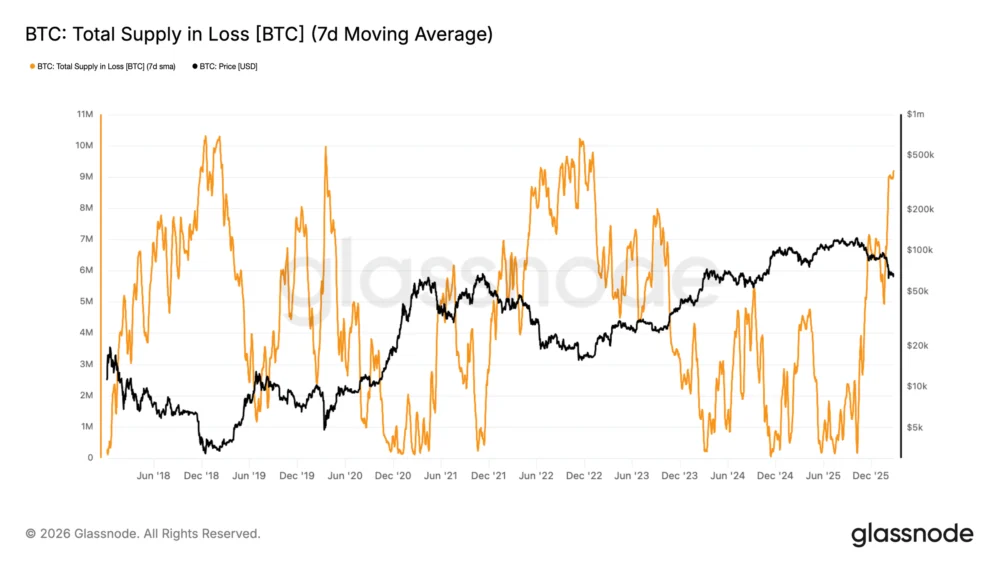
Rising geopolitical tensions in the Middle East are significantly reshaping global investment landscapes, triggering a pronounced flight towards traditional safe-haven assets. Gold, historically a refuge during periods of uncertainty, is experiencing a surge in demand as investors reallocate capital away from more volatile equities and nascent cryptocurrency markets. This strategic shift underscores a pervasive anxiety regarding potential escalations in the region, particularly involving Iran and its nuclear program, which threatens to disrupt global energy supplies and destabilize the broader economic environment.
On Wednesday, reports from Middle East Eye brought to light a notable increase in Iran’s crude oil exports. Shipments originating from Kharg Island reportedly soared to approximately 20.1 million barrels between February 15 and February 20, a dramatic escalation to roughly three times the volume recorded in January. This accelerated export activity is widely interpreted as a pre-emptive measure by Tehran, aimed at releasing substantial oil supplies into the market. Analysts suggest this move could serve as a hedge against potential disruptions to its export capabilities, should tensions with the United States intensify, or as an attempt to maximize revenue ahead of any potential tightening of international sanctions. The Strait of Hormuz, a critical chokepoint for global oil transit, remains a key strategic consideration in any potential maritime conflict, making pre-emptive loading a prudent, albeit telling, strategy for Iran.
Concurrently, a discernible shift towards more hawkish rhetoric emanating from the United States concerning Iran’s nuclear ambitions has heightened market expectations of a direct confrontation. This escalation in language, often tied to reports from international atomic energy watchdogs like the IAEA indicating advancements in Iran’s enrichment capabilities, fuels a narrative of increased risk. Bitunix analysts, in a note shared with Cointelegraph, provided a stark forecast: "In the event of a direct US–Iran military conflict, gold could rise by roughly 15% within two weeks on safe-haven demand, targeting a range of $5,500-$5,800 per ounce." Such projections reflect the deep-seated market conviction in gold’s role as the ultimate safe haven, capable of delivering substantial returns during periods of extreme global instability.
The Dual Dynamics of Crypto Markets in a Volatile World

Crypto markets, despite their reputation for independent volatility, are far from immune to these powerful macroeconomic and geopolitical currents. Bitunix analysts further elaborated on the complex interplay of forces impacting digital assets. They noted that significant safe-haven flows into the US dollar, often seen during global crises, could exert downward pressure on Bitcoin (BTC) prices, potentially pushing the leading cryptocurrency towards the $64,000-$65,000 zone. This scenario highlights Bitcoin’s current struggle to consistently establish itself as a pure "digital gold" equivalent, often behaving more like a risk asset that correlates with broader market sentiment.
However, the analysis also presented an alternative perspective: if inflation concerns were to overshadow the strength of the dollar, capital could then rotate into alternative hedges, potentially propelling BTC towards higher liquidity levels around $69,000. This nuanced view underscores the ongoing debate within the financial community regarding Bitcoin’s long-term utility as an inflation hedge versus its sensitivity to risk-off environments. The asset’s relatively short history compared to gold means its behavioral patterns during prolonged geopolitical crises are still being defined, leading to divergent expert opinions and increased volatility.
Uncertainty Fuels a Global Flight to Safety: India’s Pivotal Role
The rotation into safe-haven assets is not merely a theoretical construct; it is demonstrably visible in real-world investor behavior across diverse geographies. Data shared by The Kobeissi Letter on Thursday revealed a significant capital reallocation by Indian investors, who are rapidly moving into gold. Gold Exchange-Traded Fund (ETF) inflows in India have reached an unprecedented all-time high, climbing to approximately 250 billion rupees (equivalent to around $2.7 billion). Crucially, this marks the first time that gold ETF inflows have surpassed those into equity mutual funds, signaling a profound shift in investment preferences within one of the world’s most gold-centric economies.
This surge in demand for gold products coincides with a noticeable decline in equity allocations. Gold ETF demand has skyrocketed by over 900% since July, contrasting sharply with a drop of roughly 170 billion rupees (around $1.9 billion) in stock-fund inflows. This dramatic shift underscores a fundamental re-evaluation of risk and reward by Indian investors, who are increasingly prioritizing capital preservation amidst global uncertainties. The Kobeissi Letter analyst emphasized the significance of this trend: "As the world’s 2nd-largest gold consumer and one of its biggest importers, India’s shift toward gold ETFs marks a fundamental change in how its investors are allocating their capital." India’s deep cultural affinity for gold, traditionally held in physical form, now finds a modern expression through investment vehicles like ETFs, making this trend particularly impactful on global gold markets.

The price of gold currently hovers around $5,172 per ounce, experiencing minor daily fluctuations. However, its performance over the preceding week has been robust, with prices rising by approximately $219, representing a significant gain of about 4.4%. This upward trajectory is a direct reflection of heightened geopolitical risk premiums being factored into the precious metal’s valuation.
Bitcoin’s Range-Bound Performance Amidst Limited Conviction
While gold actively attracts defensive capital flows, on-chain data suggests that conviction within the cryptocurrency market remains somewhat limited. A recent report by Glassnode highlighted that Bitcoin continues to trade within a relatively constrained range of $60,000 to $70,000. This sideways movement is characterized by weak whale accumulation—meaning large institutional and individual holders are not aggressively buying—and persistent outflows from Bitcoin ETFs. This indicates a cautious approach from significant market players, who may be awaiting clearer market signals or greater stability before committing further capital.
The Glassnode report also unveiled a concerning metric: nearly 9.2 million BTC are currently held at a loss. Furthermore, the 90-day realized profit-to-loss ratio has dipped below 1, a technical indicator suggesting that a greater number of holders are selling their Bitcoin at a loss rather than realizing profits. This trend points to underlying weakness in market sentiment and potentially indicates a capitulation phase for some investors, unwilling to weather further volatility.
Despite these cautionary signals, there was a glimmer of rebound for US-listed spot Bitcoin ETFs on Wednesday, as Bitcoin managed to climb back above $68,000. These funds attracted approximately $506.5 million in daily inflows, marking their largest single-day intake since early February. This positive influx positions the funds for their first weekly inflow after a challenging period of five consecutive weeks, which saw cumulative outflows totaling $3.8 billion. This sporadic rebound suggests that while overall conviction may be limited, specific price points or short-term positive developments can still trigger renewed, albeit cautious, interest in the asset. The dynamic interplay between institutional interest, on-chain metrics, and macro factors continues to define Bitcoin’s price action.

Broader Implications and Future Outlook
The current geopolitical climate, dominated by rising tensions in the Middle East, carries significant broader implications for the global economy and financial markets. A sustained escalation between the US and Iran could severely impact oil supplies, leading to higher crude oil prices, which would, in turn, fuel global inflation. Central banks, already grappling with persistent inflationary pressures, might be compelled to maintain or even tighten monetary policies, potentially stifling economic growth.
For investors, the landscape necessitates a diversified and cautious approach. The traditional role of gold as a hedge against inflation and geopolitical risk is reaffirmed, making it an attractive component of portfolios seeking stability. The ongoing debate surrounding Bitcoin’s role, whether as "digital gold" or a high-beta tech asset, will continue to evolve with market conditions. Its ability to decouple from traditional risk assets during periods of extreme stress remains a key determinant of its long-term safe-haven status.
The shift in investor behavior, particularly evident in India, highlights a global trend towards greater prudence and a preference for tangible assets in uncertain times. This reorientation of capital flows could have lasting effects on asset valuations and market dynamics. As the world watches the unfolding situation in the Middle East, the interplay between geopolitical developments, macroeconomic indicators, and investor sentiment will continue to dictate the fortunes of both established safe havens like gold and emerging assets like Bitcoin. The coming weeks and months will be crucial in determining whether these tensions merely represent a temporary market tremor or a fundamental realignment of global financial strategies.