admin
admin
The State of Global Cryptocurrency Adoption in Commerce
The collaboration between Crypto.com and Worldpay from FIS represents a strategic intersection of the "new" and "traditional" financial worlds. Worldpay from FIS, a global leader in merchant acquiring and technology solutions for banks and capital markets, processes billions of transactions annually. By partnering with Crypto.com, which serves over 50 million users worldwide, the study offers a high-fidelity snapshot of the current market sentiment. The data indicates that 75% of Crypto.com customers are eager to utilize their digital holdings for the purchase of goods and services. Conversely, approximately 60% of merchants surveyed through Worldpay expressed a readiness or a strong desire to accept cryptocurrency as a form of payment within the next twelve months.
This alignment of interest suggests that the infrastructure for a crypto-based economy is rapidly maturing. However, the study also identifies a "readiness gap." While consumer demand is high, the actual implementation of direct wallet-to-merchant payment systems lags behind. This discrepancy has led to the rise of intermediary solutions; the report notes that 64% of Crypto.com customers currently rely on prepaid crypto-linked cards to spend their assets at businesses that do not yet support direct blockchain transfers. This behavior proves that consumers are willing to navigate additional steps to use their digital wealth, signaling a massive untapped opportunity for merchants who adopt native crypto integration.
A Chronology of Cryptocurrency as a Medium of Exchange
To understand the weight of these findings, one must look at the historical progression of cryptocurrency payments. Since the inception of Bitcoin in 2009, the narrative surrounding digital assets has fluctuated between "digital gold" (a store of value) and a "peer-to-peer electronic cash system."
- The Early Era (2009–2013): Cryptocurrency was largely confined to niche tech circles. The first recorded commercial transaction occurred in 2010 when Laszlo Hanyecz paid 10,000 BTC for two pizzas. At the time, the infrastructure for merchant acceptance was virtually non-existent.
- The Infrastructure Phase (2014–2017): Early payment processors like BitPay began to emerge, allowing a handful of forward-thinking merchants to accept Bitcoin. However, the 2017 bull run highlighted significant scalability issues, with high transaction fees and slow confirmation times making small purchases impractical.
- The Institutional and Stablecoin Wave (2018–2021): The rise of stablecoins—cryptocurrencies pegged to fiat currencies like the US Dollar—solved the volatility problem for many merchants. Simultaneously, major fintech players like PayPal and Square (now Block) began integrating crypto services, normalizing the idea of holding digital assets.
- The Current Landscape (2022–Present): The focus has shifted toward Layer 2 scaling solutions and regulatory clarity. As evidenced by the Crypto.com and Worldpay study, the conversation has moved from "if" crypto will be used for payments to "when" and "how" it will become a mainstream standard.
Detailed Data: Consumer Demographics and Industry Preferences
The study’s methodology involved a survey of 110,000 Crypto.com customers, representing a broad spectrum of ages, income levels, and geographic locations. This was complemented by insights from Worldpay’s network of global merchants. While the report acknowledges a natural "positive bias" among Crypto.com users, the sheer volume of respondents provides a statistically significant look at the early-adopter segment.
The data reveals that the desire to spend crypto is not limited to a single industry. While luxury goods and high-end retail are often the first to adopt new payment technologies due to the high average transaction value, consumer interest is surprisingly well-distributed across various sectors:
- Retail and E-commerce: High demand for online shopping integrations.
- Travel and Hospitality: Significant interest in booking flights and hotels via crypto.
- Digital Goods and Gaming: A natural fit for crypto, given the digital-native nature of these consumers.
- Luxury Goods: Merchants in this sector are leading the charge, viewing crypto acceptance as a way to attract a younger, affluent demographic.
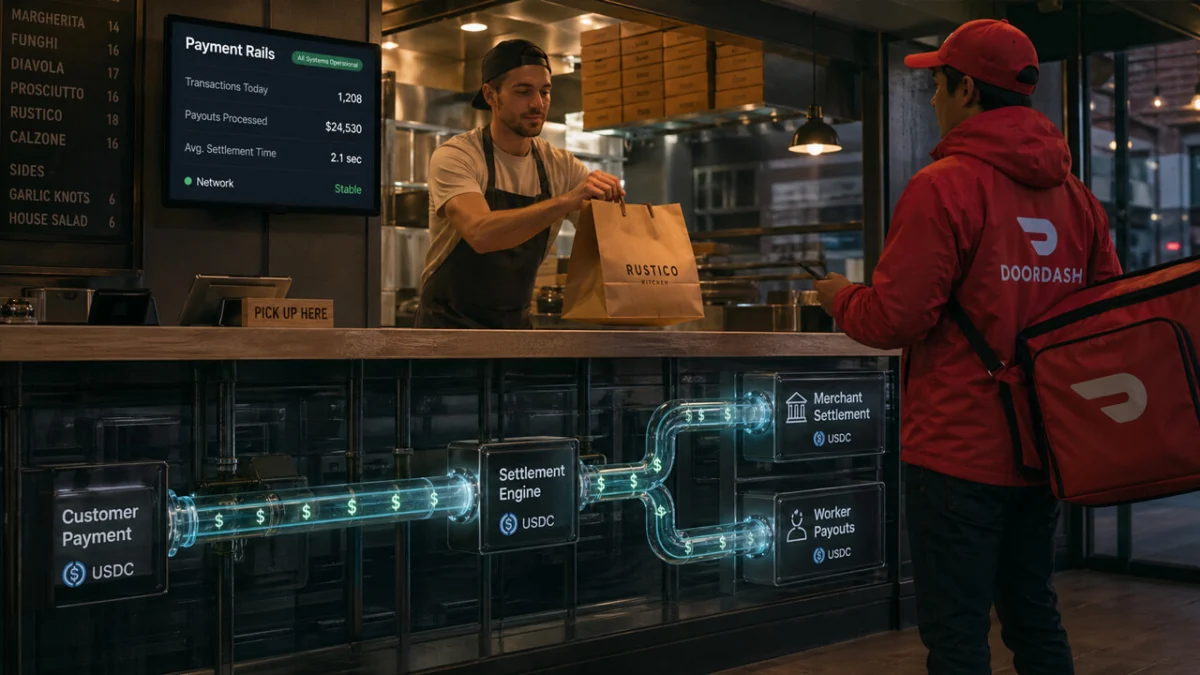
A critical finding in the report involves currency preference. Both merchants and consumers expressed a preference for high-market-cap assets like Bitcoin (BTC) and Ethereum (ETH), but there is a growing consensus around stablecoins. Stablecoins offer the benefits of blockchain technology—such as 24/7 settlement and lower cross-border fees—without the price fluctuations that can complicate accounting and tax reporting for businesses.
Technological Enablers: Layer 2 and Scalability
One of the primary historical barriers to using cryptocurrency for everyday purchases has been the technical limitation of primary blockchains. For instance, the Bitcoin network can handle roughly seven transactions per second, while Ethereum’s mainnet often faces high "gas" fees during periods of congestion.
The Crypto.com and Worldpay report highlights the role of Layer 2 solutions in overcoming these hurdles. Technologies such as the Lightning Network for Bitcoin and various Rollups for Ethereum allow for near-instantaneous transactions with negligible fees. By processing transactions off the main chain and settling them in batches, these solutions provide the scalability required for a global retail environment. Merchants are increasingly looking toward these technologies to ensure that accepting a $5 coffee payment doesn’t cost $20 in transaction fees.
Barriers to Adoption: Education and Coordination
Despite the clear enthusiasm, the report identifies several roadblocks that prevent cryptocurrency from becoming a universal payment method. The foremost challenge is a lack of education. Many merchants remain unfamiliar with the technical requirements of setting up a crypto gateway or the regulatory implications of holding digital assets on their balance sheets.
Furthermore, there is a perceived lack of "cross-stakeholder coordination." For a payment ecosystem to function, it requires cooperation between wallet providers, payment processors, banks, and regulators. The report states: "A lack of education and cross-stakeholder coordination is dictating the pace at which merchants adopt this technology."
Regulatory uncertainty also remains a significant factor. Merchants require clear guidelines on tax reporting, Anti-Money Laundering (AML) compliance, and Know Your Customer (KYC) protocols before they can confidently integrate crypto payments at scale. As governments worldwide work toward establishing these frameworks, the pace of adoption is expected to accelerate.
Analysis of Implications: The Competitive Edge for Early Adopters
The data from Crypto.com and Worldpay from FIS suggests that merchants who move quickly to adopt cryptocurrency payments may gain a significant competitive advantage. By catering to the 75% of crypto-holders who want to spend their assets, businesses can tap into a loyal and growing customer base. Furthermore, crypto payments can offer lower transaction fees compared to traditional credit card networks, which often charge between 1.5% and 3.5% per transaction.
For the broader financial ecosystem, the mainstreaming of crypto payments represents a move toward "programmable money." Unlike traditional fiat, cryptocurrency can be integrated with smart contracts to automate loyalty programs, escrow services, and instant refunds. This level of functionality could redefine the relationship between brands and their customers.
The high percentage of users (64%) resorting to prepaid cards also indicates a "bridge phase" in the market. As more merchants adopt direct wallet transfers, the reliance on these cards will likely decrease, leading to a more decentralized and efficient payment flow.
Conclusion and Future Outlook
The joint study by Crypto.com and Worldpay from FIS serves as a definitive signal that the "crypto-for-payments" movement is no longer a fringe concept. With 75% of consumers expressing a desire to shop with crypto and 60% of merchants ready to accommodate them, the momentum is undeniable.
As the industry moves forward, the focus will likely shift from basic acceptance to the optimization of the user experience. This includes the integration of crypto into existing Point of Sale (POS) systems, the refinement of mobile wallet interfaces, and the continued expansion of Layer 2 scaling solutions. While hurdles such as education and regulation remain, the clear demand from both the supply and demand sides of the economy suggests that cryptocurrency is well on its way to becoming a standard pillar of global commerce. The full report, which provides deeper insights into geographic trends and specific industry data, remains a crucial roadmap for stakeholders looking to navigate this transition.