admin
admin
Stablecoins are rapidly solidifying their position as a fundamental layer of the evolving onchain financial ecosystem, bridging the steadfast reliability of major fiat currencies with the transformative programmability inherent to blockchain technology. This powerful synergy facilitates unparalleled global 24/7 transferability, seamless composability with a burgeoning array of tokenized assets, and the genesis of entirely novel financial use cases previously unattainable within traditional frameworks. Presently, stablecoins command colossal daily transaction volumes, moving hundreds of billions of dollars, underscoring their pivotal role as one of the earliest and most impactful applications spanning both conventional and decentralized finance.
However, the immense opportunities stablecoins present are inextricably linked with significant challenges for their issuers. Entrusted with safeguarding vast sums of value, these entities must guarantee that their digital currencies are underpinned by robust, battle-tested infrastructure. To achieve widespread adoption and gain the confidence of institutional players, a stablecoin must offer real-time verification of its asset reserves, rigorously adhere to complex compliance mandates across diverse jurisdictions, and demonstrate seamless interoperability with both legacy financial market infrastructure and the heterogeneous landscape of public and private blockchains. Addressing these multifaceted demands requires a sophisticated, holistic solution.
This is precisely where Chainlink, the industry’s leading decentralized oracle network, emerges as a critical enabler. Positioned as the sole all-in-one oracle platform, Chainlink is uniquely equipped to tackle these intricate challenges for stablecoin issuers, providing comprehensive infrastructure that supports the entire lifecycle of a digital currency. With a proven track record, Chainlink is already the trusted partner for prominent global banks, asset managers, and financial market infrastructures, actively securing over 70% of the decentralized finance (DeFi) sector and having facilitated a staggering $28 trillion in onchain transaction value. By meticulously solving core infrastructure hurdles, the Chainlink platform empowers stablecoin issuers to unlock five critical capabilities essential for widespread institutional adoption and scalability.

The Rise of Stablecoins and Their Evolving Role in Global Finance
The concept of stablecoins emerged as a direct response to the inherent volatility characterizing early cryptocurrencies like Bitcoin and Ethereum. While these foundational digital assets showcased the revolutionary potential of decentralization, their unpredictable price fluctuations rendered them impractical for routine transactions, cross-border remittances, or as reliable stores of value for businesses. Stablecoins, designed to maintain a stable value—typically pegged to a major fiat currency such as the US dollar, a basket of currencies, or a commodity—offered a much-needed solution. Initially serving primarily as a low-volatility trading pair within cryptocurrency exchanges, their utility rapidly expanded. They quickly became an efficient and cost-effective conduit for moving value swiftly across international borders, streamlining remittances, and catalyzing a new wave of decentralized applications.
Today, stablecoins have transcended their crypto-native origins. Their transformative potential in global payments, trade finance, and capital markets has increasingly captured the attention of both traditional financial institutions and regulatory bodies worldwide. The ability to tokenize traditional assets, serve as a foundational element for central bank digital currencies (CBDCs), and enable instant, atomic settlement across diverse blockchain platforms positions stablecoins at the vanguard of financial innovation. This expansion into highly regulated and institutional environments, however, necessitates enterprise-grade solutions that not only match but often surpass the reliability, security, and compliance standards of existing financial systems. The global stablecoin market capitalization, exceeding $150 billion, and daily transaction volumes often eclipsing those of traditional payment networks, underscore this accelerating trend and the urgent need for robust infrastructure.
Building Trust: Real-Time Data and Verifiable Reserves
A cornerstone of stablecoin integrity and a persistent concern for market participants and regulators alike has been the transparency and provability of their underlying reserves. Historically, reserve attestations have been reliant on periodic, often manual, audits. This approach introduces significant time lags and information asymmetries, falling short of the modern institutional demand for continuous transparency and immediate verification. Such deficiencies in continuous, verifiable proof of reserves have been a major impediment to fostering broader institutional trust and securing widespread regulatory acceptance. The infamous collapse of certain algorithmic stablecoins, while distinct in mechanism, further underscored the critical importance of transparent and robust backing for all stablecoin types.
Chainlink directly confronts this transparency deficit with Chainlink Proof of Reserve (PoR). This innovative solution provides automated, onchain verification of a stablecoin’s underlying collateral in near real-time. By leveraging a network of decentralized oracles, PoR continuously monitors both on-chain and off-chain assets, publishing cryptographic proofs to designated blockchains whenever reserve balances change. This groundbreaking methodology eliminates the reliance on infrequent manual attestations, offering an unprecedented level of real-time transparency. Regulators, exchanges, and end-users can now access an always-visible, up-to-the-minute collateralization ratio, fostering significantly greater confidence in the stablecoin’s backing.
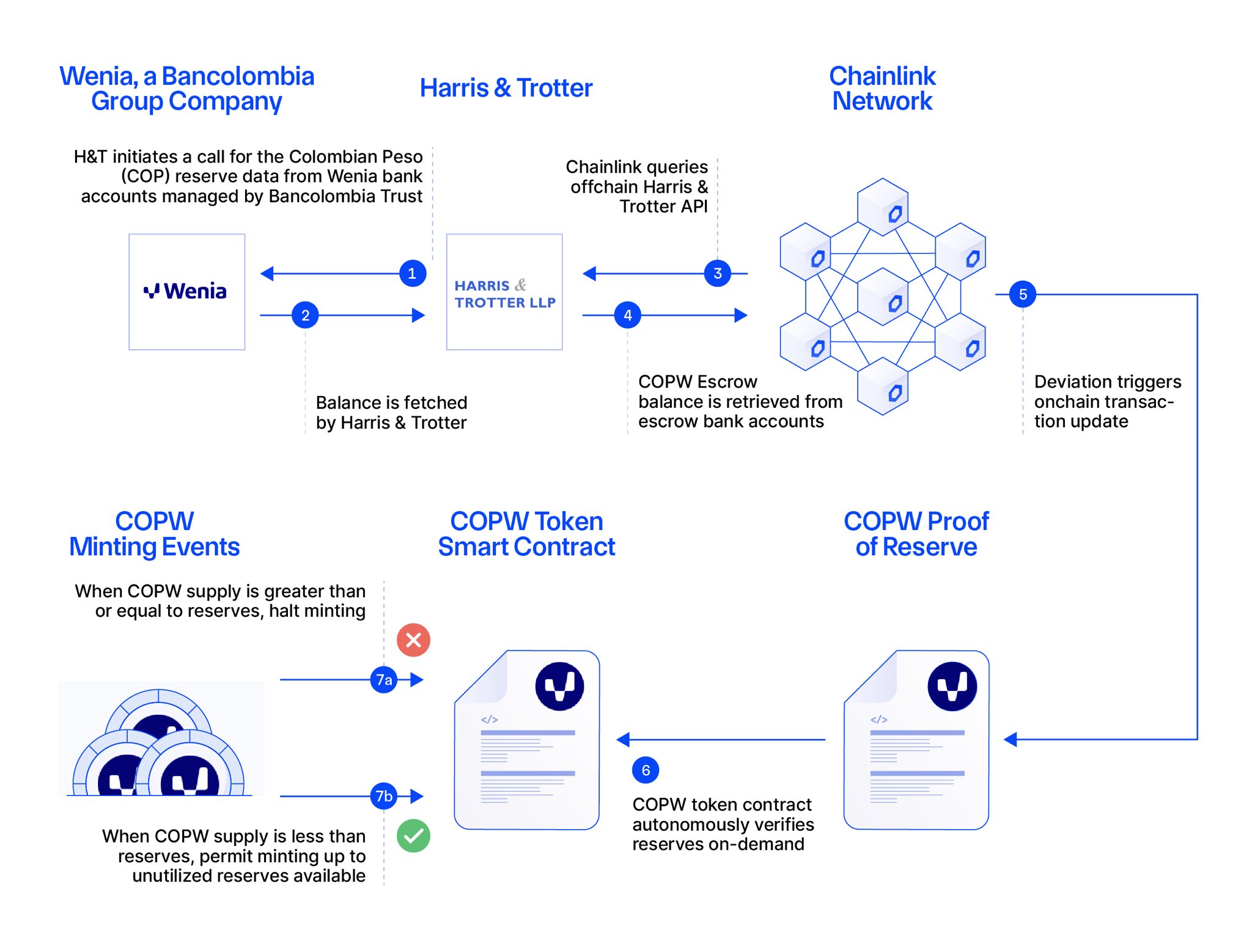
Furthermore, Proof of Reserve is meticulously engineered to strike a crucial balance between transparency and privacy. It verifies and publicly reports the aggregated total of distributed holdings without disclosing individual wallet addresses. This capability allows issuers to maintain essential operational privacy, such as treasury management details, while still delivering the requisite level of public accountability. Even in dynamic scenarios involving fund movements for key rotation or other critical operational purposes, PoR ensures continuous verifiability of reserves, effectively mitigating risks associated with opaque asset management practices.
To further bolster security and automate critical operational processes, stablecoin issuers can integrate Proof of Reserve data directly with their minting and redemption logic via Secure Mint. This integration establishes automated guardrails around token supply, serving as a critical defense against human and procedural errors that, in recent years, have led to catastrophic over-minting events. For instance, a notable incident involving the erroneous minting of trillions of stablecoins by a major issuer highlighted the dire need for automated, fail-safe controls. With Secure Mint, when reserve assets are verified as deposited by the PoR network, minting operations can be automatically authorized onchain. Conversely, when collateral is withdrawn or redeemed, the same secure workflows can instantly initiate token burns, all without requiring manual intervention. This direct, automated linkage between issuance and verified collateral guarantees that the onchain supply of a stablecoin consistently matches its underlying reserves, thereby upholding its peg and overall integrity.
The practical efficacy of Proof of Reserve is already well-demonstrated through several high-profile real-world applications. Wenia, the digital asset company founded by Bancolombia Group—one of Latin America’s largest financial conglomerates—utilizes PoR to deliver continuous, automated verification of its fiat reserves, establishing a new benchmark for transparency in the region. Similarly, OpenEden has integrated Proof of Reserve to provide independent, onchain verification of USDO’s backing by tokenized U.S. Treasuries, showcasing the solution’s versatility across diverse collateral types and its potential to enhance trust in tokenized real-world assets.
Beyond explicit reserve verification, Chainlink provides a comprehensive suite of data solutions vital for scaling any stablecoin or tokenized asset project. Chainlink Price Feeds, SmartData, and DataLink deliver secure, high-frequency, institutional-grade data directly onchain. This integrated data infrastructure is already widely adopted by both traditional financial institutions and burgeoning DeFi protocols. For example, S&P Global Ratings is leveraging DataLink to bring its Stablecoin Stability Assessments (SSAs) onchain. This initiative enables real-time, independently verified risk evaluations to be directly embedded into DeFi protocols and institutional risk frameworks, offering a new layer of risk management. Furthermore, Mento, a decentralized foreign exchange (FX) infrastructure processing an estimated $20 billion in annualized volume and supporting over 15 stablecoins used by more than 7 million people for remittances, has adopted Price Feeds to ensure each asset is backed by verifiable, real-time data. These diverse integrations underscore the critical role Chainlink plays in establishing transparent, reliable, and auditable data foundations for the global stablecoin economy.
Upholding Integrity: Built-in Privacy and Programmable Compliance
As stablecoins increasingly integrate into regulated financial systems globally, the paradigm for compliance must undergo a fundamental shift. Compliance can no longer be an external, often manual, post-transactional process; it must be intrinsically woven into the very fabric of the token’s underlying infrastructure. This architectural shift is paramount for meeting increasingly stringent regulatory expectations and fostering broader institutional adoption. Frameworks like the EU’s Markets in Crypto-Assets (MiCA) regulation underscore the global demand for robust, verifiable compliance mechanisms within the digital asset space.
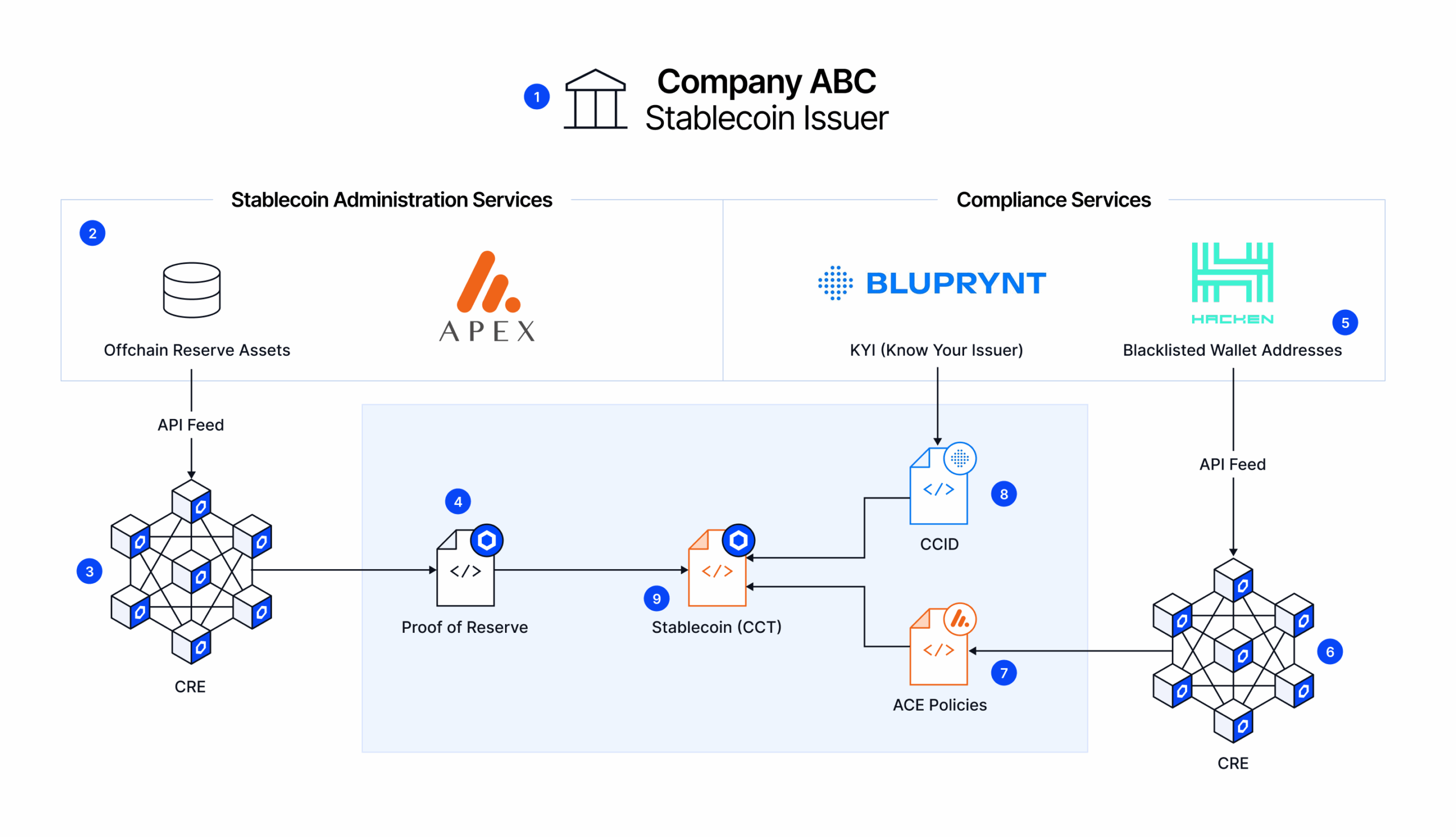
Chainlink addresses this imperative through its innovative Automated Compliance Engine (ACE). ACE facilitates the embedding of comprehensive compliance logic directly into the smart contract layer of stablecoins. This empowers issuers to codify and programmatically enforce a wide array of compliance rules, ranging from granular jurisdictional restrictions and stringent anti-money laundering (AML) and know-your-customer (KYC) requirements to specific counterparty eligibility criteria, all within onchain workflows. Every transaction can be automatically approved, flagged for further review, or outright blocked based on predefined regulatory conditions, ensuring proactive, consistent, and auditable adherence to legal and operational mandates.
Complementing ACE is Chainlink Confidential Compute, a cutting-edge technology designed to protect sensitive information such as identity credentials and intricate transaction logic. While meticulously safeguarding this private data, it still enables verifiable, privacy-preserving computation. This allows critical workflows, including dynamic whitelist management, real-time sanctions screening, and granular creditworthiness validation, to execute securely without the risk of exposing private data onchain. The powerful synergy between ACE and Confidential Compute offers a robust and comprehensive framework, enabling issuers to simultaneously maintain regulatory alignment, uphold paramount data privacy, and optimize operational efficiency—a critical trifecta for enterprise-grade stablecoin deployment.
A notable, forward-thinking collaboration demonstrating this capability is the partnership between Chainlink and Apex Group, which successfully developed a regulatory-grade stablecoin infrastructure solution in direct support of the Bermuda Monetary Authority’s (BMA) embedded supervision initiative. This pioneering solution integrates several key features, each playing a vital role in enabling compliant and secure stablecoin operations, showcasing a robust model for regulatory oversight directly within the blockchain environment. This initiative sets a significant precedent for how regulators can actively participate in and monitor the digital asset space without stifling innovation, emphasizing the importance of transparent yet privacy-preserving compliance mechanisms in fostering a regulated yet dynamic ecosystem.
Unifying the Digital Economy: Cross-Chain Liquidity Without Fragmentation
One of the most significant challenges hindering the widespread utility and scalability of stablecoins has been liquidity fragmentation. A stablecoin deployed on one specific blockchain often remains isolated, unable to seamlessly serve users, applications, or markets residing on another distinct chain. This creates inefficient capital allocation, complicates user experience, and severely limits the overall reach and impact of stablecoins across the burgeoning multi-chain landscape.
Chainlink offers a definitive and robust solution to this fragmentation through its Cross-Chain Interoperability Protocol (CCIP) and the accompanying Cross-Chain Token (CCT) standard. CCIP functions as a universal messaging and value transfer layer, enabling stablecoins to move effortlessly and securely between disparate blockchains. Critically, it offers the same level of assurance, security, and reliability that users expect from traditional payment systems, a factor paramount for cultivating deep institutional confidence. The CCT standard further ensures that a stablecoin’s total supply, crucial reserve data, and its core transaction logic remain consistently synchronized across all connected chains, effectively eliminating inconsistencies and maintaining fungibility regardless of the underlying blockchain. Designed as a self-serve, issuer-controlled framework, the CCT standard grants stablecoin issuers full autonomy over deployment, configuration, and policy management for their cross-chain assets.
This robust framework ensures that stablecoin issuers retain complete control over how their assets traverse different chains, meticulously maintaining oversight of security, compliance, and governance, all while leveraging Chainlink’s battle-tested and extensively audited interoperability infrastructure. The implications of this unified approach are profound: it promises unified liquidity across the entire multi-chain ecosystem, significantly enhanced capital efficiency for decentralized applications, and a substantially broader addressable market for stablecoin-powered financial products and services.
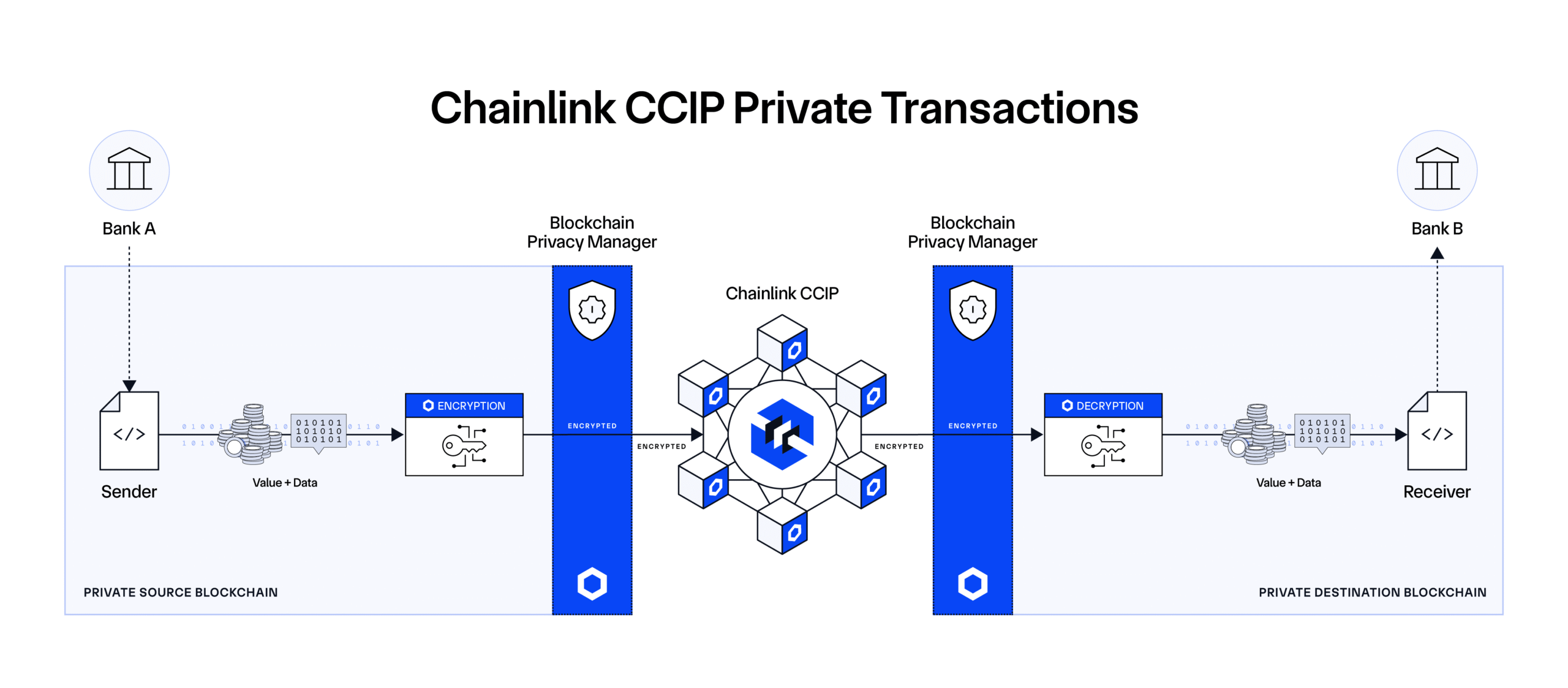
CCIP is already being embraced by leading financial institutions to enable secure interoperability across both public and private blockchains. ANZ Bank, one of Australia’s largest financial institutions, has successfully utilized Chainlink CCIP Private Transactions to facilitate secure cross-chain transfers between a private enterprise network and a public blockchain network. This groundbreaking demonstration highlights CCIP’s unparalleled capability to cater to the nuanced needs of institutions operating in complex, hybrid blockchain environments. Furthermore, prominent stablecoin issuers such as Falcon Finance (USDf), World Liberty Financial (USD1), and Aave (GHO) are actively leveraging the Chainlink interoperability standard to achieve unified liquidity across multiple blockchains, demonstrating its practical application in diverse stablecoin ecosystems and its critical role in reducing market fragmentation. In Asia, FairsquareLab, a leading digital asset infrastructure technology provider, is integrating CCIP into Project PAX, a significant initiative involving some of the region’s largest financial institutions, including Shinhan Bank, NH NongHyup Bank, and K Bank in South Korea, alongside Progmat. This broad and growing adoption across diverse financial landscapes underscores CCIP’s rapidly solidifying position as the de facto standard for secure, reliable, and scalable cross-chain communication and value transfer.
Operational Excellence: Customizable Workflows, Managed From Existing Systems
For stablecoin issuers, the management of myriad operational tasks—such as ongoing reserve attestations, intricate token issuance workflows, and multi-layered compliance approvals—can quickly become cumbersome, prone to error, and exceptionally resource-intensive. The prevalent practice of building bespoke, custom infrastructure for each new blockchain a stablecoin launches on often leads to redundant development efforts, increased operational complexity, and significant scalability bottlenecks. As stablecoin operations grow in volume and geographical reach, these disparate systems become increasingly difficult to manage and maintain, frequently requiring issuers to repeatedly rebuild similar workflows, leading to inefficiencies and higher operational costs.
The Chainlink Runtime Environment (CRE) offers an elegant and powerful solution to this operational overhead. CRE provides a programmable, verifiable orchestration layer specifically designed to securely connect onchain smart contracts with a wide array of offchain financial systems, compliance tools, and data providers. Utilizing CRE, stablecoin issuers can automate critical workflows like reserve attestation and dynamic liquidity management with unprecedented efficiency and precision. Each workflow can be dynamically triggered by offchain events—such as fiat settlement confirmations from banking partners, compliance approvals from legal departments, or treasury instructions from asset managers—and then executed atomically onchain. This atomic execution eliminates reconciliation gaps, minimizes manual intervention, and significantly reduces the potential for human error, ensuring consistent and auditable operations.
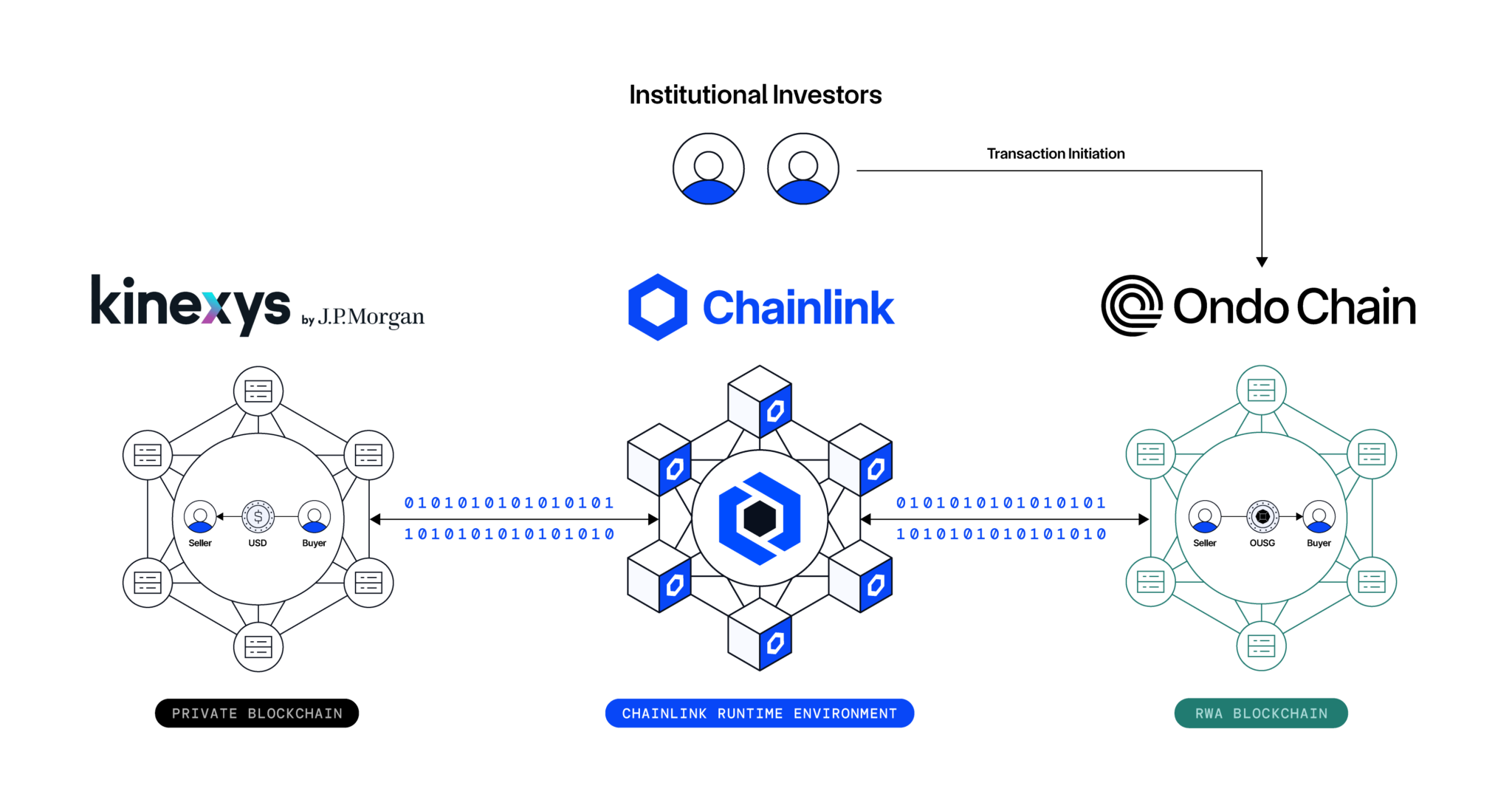
CRE’s capabilities have been rigorously proven through collaborative initiatives with major financial institutions, demonstrating its readiness for enterprise-grade deployment. These engagements have showcased CRE’s ability to enable institutions to seamlessly integrate and leverage the same standardized data structures that underpin today’s global financial system, integrating them fluidly with blockchain-based operations. A particularly notable example is the successful execution of a cross-chain Delivery versus Payment (DvP) transaction between Kinexys by J.P. Morgan’s permissioned blockchain network and the Ondo Chain testnet. In this landmark transaction, the Chainlink Runtime Environment (CRE) orchestrated the entire end-to-end settlement process, showcasing its unparalleled power to facilitate complex financial operations across disparate blockchain environments with atomicity and verifiable finality. This capability is crucial for traditional financial institutions seeking to migrate and optimize complex financial processes onto blockchain rails without sacrificing security, control, or regulatory adherence.
Broadening Horizons: Access to Global Distribution Channels
The successful launch, sustained growth, and widespread adoption of a stablecoin extend far beyond merely possessing robust technical infrastructure; it crucially depends on gaining access to broad distribution channels and a vibrant, expansive ecosystem. Chainlink is actively driving the convergence of traditional and onchain finance, fostering a vast and interconnected network that provides stablecoin issuers with unparalleled access to a global digital asset ecosystem.
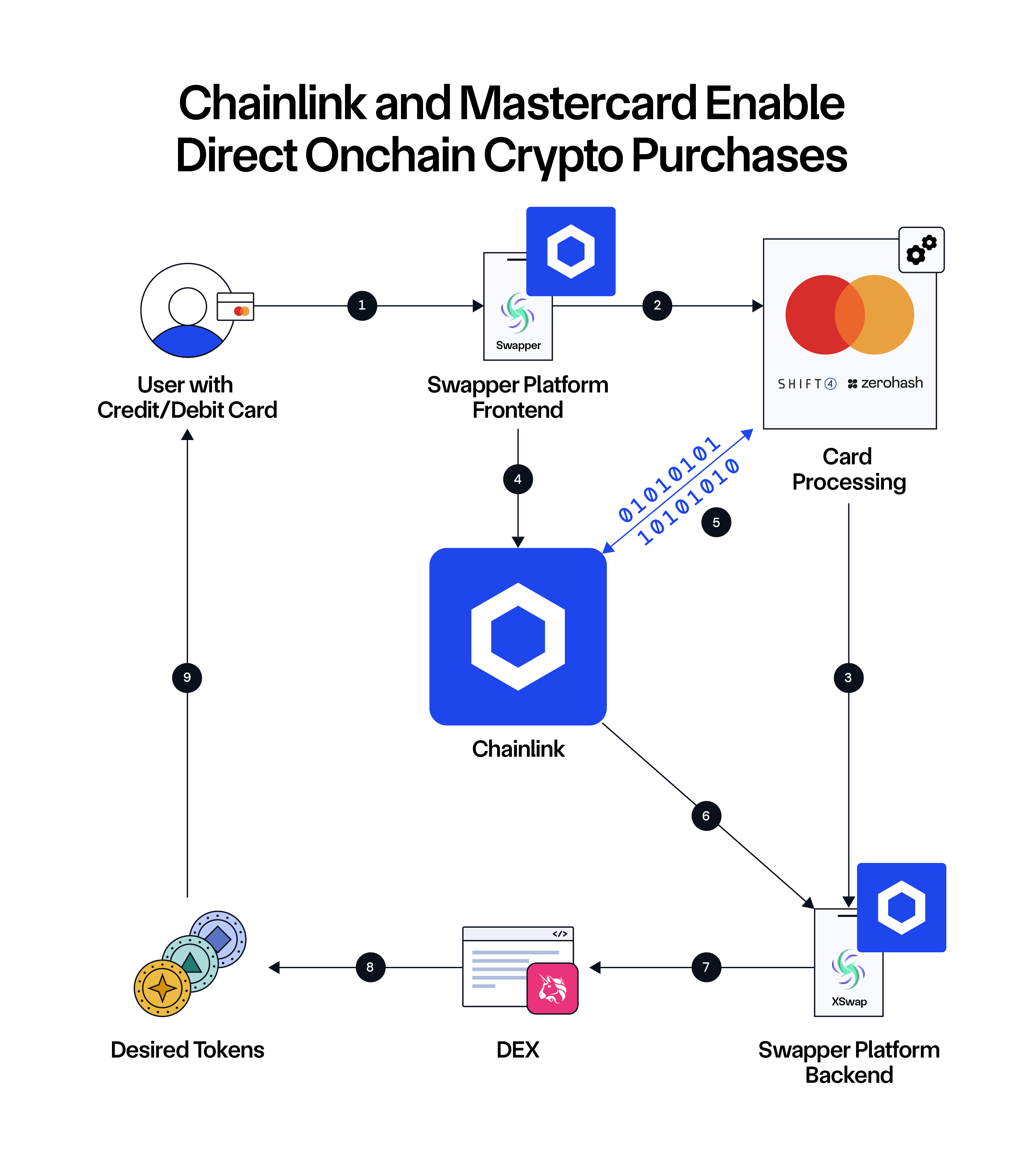
With thousands of projects already integrated into the Chainlink ecosystem, this connectivity translates into immediate access to deep liquidity pools, seamless integrations with existing decentralized applications (dApps), and powerful new distribution channels that can rapidly accelerate adoption. To further catalyze stablecoin innovation and foster widespread market acceptance, Chainlink and GSR, a leading global crypto market maker and trading firm, have partnered to launch a dedicated stablecoin enablement program. This strategic initiative is specifically designed to support qualified issuers throughout the entire lifecycle of their stablecoin projects, from initial design and regulatory navigation to market launch and ongoing operational support. The program strategically