admin
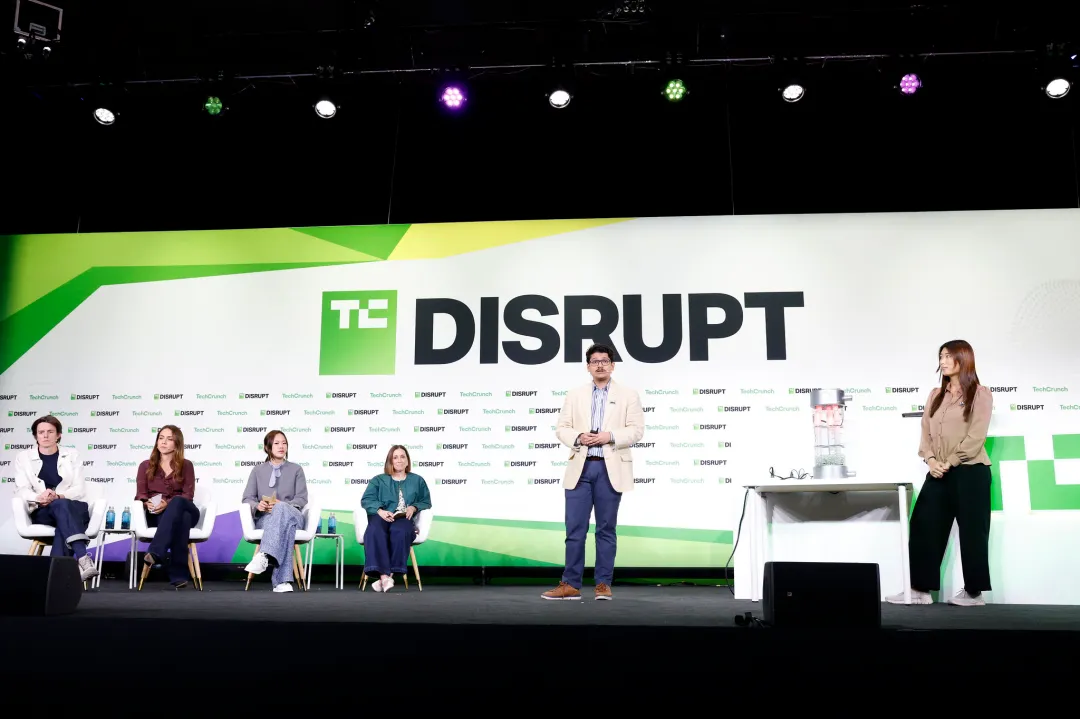
TechCrunch Disrupt 2026 has officially crossed its midway point at San Francisco’s Moscone West, signaling a strategic shift in the event’s programming as it moves into its final 48 hours. Following the conclusion of the first day’s sessions on October 13, organizers announced a significant late-access incentive, offering a 50% discount on all remaining ticket types for the sessions scheduled for October 14 and 15. This move aims to maximize attendance for a high-profile lineup that includes Academy Award-nominated actor and entrepreneur Mark Wahlberg, the full partnership of venture capital titan Benchmark, and top-tier executives from the artificial intelligence sector.
The annual conference, long considered a bellwether for the global startup ecosystem, returns to the heart of San Francisco during a period of intense focus on autonomous AI agents and a stabilizing venture capital market. With two days of programming remaining, the event continues to serve as a primary nexus for founders, investors, and technologists to negotiate deals and showcase emerging technologies.
A Strategic Pivot in the 2026 Programming Schedule
The second and third days of Disrupt 2026 are designed to provide deep dives into both the cultural and technical aspects of modern entrepreneurship. On the Disrupt Stage, the agenda features a rare collective appearance by all five partners of Benchmark. Known for their "lean" approach to venture capital and a history of early-stage bets on companies like Uber, eBay, and Twitter, the Benchmark partners are expected to discuss the evolving role of the general partner in an era dominated by massive multi-stage funds.
Joining the venture capitalists is Mark Wahlberg, whose presence underscores the increasing intersection of celebrity brand-building and venture-backed technology. Wahlberg’s discussion is anticipated to focus on the scaling of his various business interests and the integration of digital tools in traditional industries like fitness and retail.
The hardware and consumer electronics sector is also represented through Panos Panay, Amazon’s Senior Vice President of Devices and Services. Following his high-profile move from Microsoft to Amazon, Panay’s appearance is a focal point for those interested in the future of ambient computing and the integration of large language models (LLMs) into consumer hardware.
The Dominance of Artificial Intelligence and "Dots" Agents
A central theme of the 2026 conference is the maturation of artificial intelligence from conversational tools to functional agents. This is highlighted on the event’s two flagship AI Stages. A highly anticipated session involves Alexander Embiricos, OpenAI’s Head of Enterprise Product, who is slated to provide technical and strategic insights into the launch of the company’s "Dots" agents. These agents represent a shift toward autonomous systems capable of handling complex, multi-step enterprise workflows with minimal human intervention.
The AI programming is further bolstered by leaders from Anthropic, Hugging Face, and Clay. These companies represent the full stack of the current AI boom, from foundational model development to the infrastructure used by developers to deploy machine learning at scale. The presence of Hugging Face, often described as the "GitHub of AI," is particularly significant as the industry debates the merits of open-source versus proprietary development cycles.
The Startup Battlefield 200 and the Revamped Expo Hall
The core of TechCrunch Disrupt remains the Startup Battlefield 200, a curated competition featuring 200 startups selected from thousands of applicants globally. These companies are currently competing on the Disrupt Stage for the coveted Disrupt Cup and a $100,000 equity-free grand prize. The competition has historically served as a launchpad for companies that have gone on to raise billions in follow-on funding, including names like Dropbox, Fitbit, and Cloudflare.
Complementing the pitch competition is the revamped Expo Hall, which houses over 320 exhibitors. The 2026 floor plan has been restructured to facilitate better "collision density"—a term used by urban planners and event organizers to describe the frequency of high-value, spontaneous interactions between participants. The hall includes dedicated zones for SaaS, Fintech, Sustainability, and HealthTech, allowing investors to navigate the massive space more efficiently.
Chronology of the Event and Networking Dynamics
The 2026 event follows a rigorous three-day timeline:

- October 13 (Day 1): The opening day focused on the "State of the Union" for global tech, featuring initial heats for the Startup Battlefield and keynote addresses on the macroeconomic climate affecting IPOs and late-stage funding.
- October 14 (Day 2): The focus shifts to deep-tech execution, featuring the Benchmark partners and the OpenAI "Dots" reveal. This day is traditionally the busiest for the Expo Hall.
- October 15 (Day 3): The final day will see the Startup Battlefield Finals, where the top five companies pitch to a panel of expert judges. The day concludes with the announcement of the winner and a series of closing sessions on the ethical implications of AI.
Beyond the walls of Moscone West, the "Disrupt Side Events" have taken over San Francisco’s SoMa and Financial District neighborhoods. These satellite events, ranging from private investor brunches to developer hackathons, are integral to the Disrupt experience, providing a more informal setting for the networking that often leads to the formation of new ventures.
Supporting Data: The Economic Context of Disrupt 2026
The 50% discount offered for the final two days reflects a broader trend in the professional events industry to increase accessibility for early-stage founders. According to recent industry reports, the cost of attending major tech conferences has risen by nearly 20% since 2023, creating a barrier for "bootstrap" entrepreneurs. By halving the ticket price, TechCrunch is effectively lowering the entry threshold for the very demographic that the Startup Battlefield aims to highlight.
Data from previous Disrupt events indicates that approximately 40% of all investment leads generated at the conference occur during the second day, as attendees have had time to scout the Expo Hall and identify key targets. Furthermore, the inclusion of 320+ exhibitors marks a 15% increase in participation compared to the 2025 event, suggesting a resurgence in the appetite for physical demo spaces.
Official Responses and Participant Sentiment
While official statements from TechCrunch emphasize the excitement of the remaining schedule, the broader sentiment among attendees is one of "cautious optimism." Founders interviewed on the first day noted that while the "easy money" era of 2021 is long gone, the quality of investors present at Disrupt 2026 is exceptionally high.
"The focus this year isn’t just on who has the best pitch, but who has the most sustainable unit economics," noted one seed-stage investor from a prominent Silicon Valley firm. "Seeing the Benchmark partners here in full force sends a signal that the ‘smart money’ is looking for the next generation of foundational companies in the wake of the AI pivot."
Broader Impact and Implications for the Tech Sector
The proceedings at TechCrunch Disrupt 2026 are expected to have a lasting impact on several key areas of the technology sector. First, the emphasis on AI agents (such as OpenAI’s Dots) suggests that the industry is moving away from "AI as a feature" and toward "AI as a workforce." This transition will likely dominate venture capital discussions for the remainder of the fiscal year.
Second, the rare joint appearance of the Benchmark partners highlights a return to "conviction-based" investing. As the market moves away from the "spray and pray" tactics of the last decade, the insights shared by these partners will likely serve as a roadmap for other firms looking to recalibrate their investment strategies.
Finally, the success of the Startup Battlefield 200 will be a litmus test for the health of the global startup pipeline. If the winning companies represent diverse geographies and sectors, it will reinforce the idea that innovation is becoming increasingly decentralized, even as San Francisco remains its primary gravitational center.
Accessibility and Ticket Tiers
The 50% discount applies to a variety of entry points, ensuring that the final two days of the conference remain inclusive of different professional backgrounds. The ticket lineup includes:
- General Admission: Provides access to all stages, the Expo Hall, and official networking apps.
- Founder/Investor Passes: Specifically tailored for those looking to utilize the event’s dedicated meeting spaces and matchmaking tools.
- Entry-Level Options: Including "Expo Only" passes for those focused on the 320+ startup booths and specific "Student" or "Non-Profit" tiers designed to foster the next generation of talent.
As Disrupt 2026 heads into its final sessions, the combination of aggressive pricing and high-level content positions the event as a critical moment for the tech industry to define its trajectory for the coming year. For the founders sitting on the fence, the message from Moscone West is clear: the most impactful conversations of the week are yet to happen.