admin
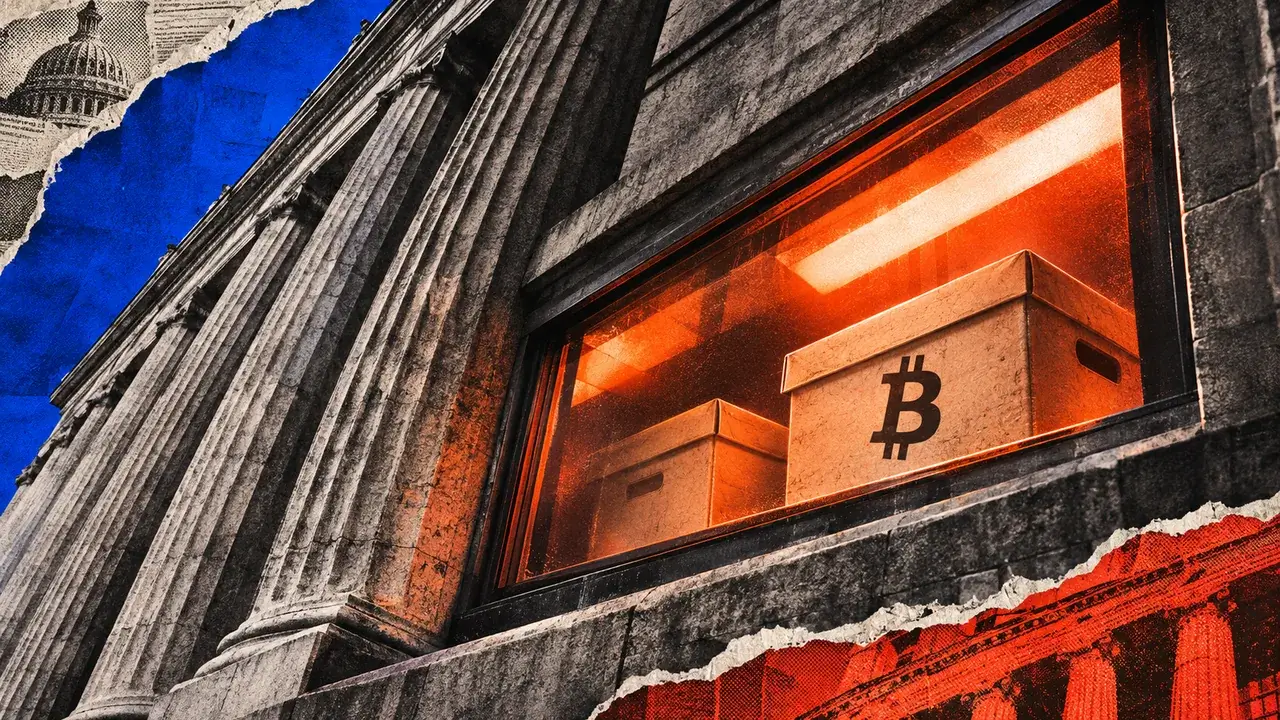
Legislation advancing through the House of Representatives aims to mandate public verification of the U.S. Treasury’s Bitcoin reserves and impose a significant long-term holding requirement, potentially barring the government from liquidating these assets for two decades. The American Reserve Modernization Act of 2026, formally reported by the House Financial Services Committee on November 24th, proposes a statutory framework for the nation’s strategic Bitcoin holdings, moving beyond the current executive order governing these assets.
The proposed bill, introduced in May by Republican Representative Nick Begich, seeks to codify and expand upon President Donald Trump’s March 2025 executive order establishing the "Strategic Bitcoin Reserve." This executive action mandated federal agencies to inventory their digital asset holdings, but directed these disclosures internally to the Treasury Department and the President’s Working Group on Digital Asset Markets, rather than to the public. The new legislation aims to rectify this by introducing robust transparency measures and a defined holding period for these reserves.
Establishing Public Verification of Treasury’s Bitcoin Holdings
A cornerstone of the American Reserve Modernization Act is the establishment of a public proof-of-reserves system. Under Section 6 of the proposed legislation, the Treasury Department would be required to implement mechanisms for public cryptographic attestations. This would involve annual reporting detailing the government’s Bitcoin holdings, all associated transactions, and crucially, its control over the private keys that secure these digital assets.
To ensure the accuracy and integrity of these disclosures, the legislation mandates the appointment of an independent auditor specializing in cryptographic attestations. This auditor would be tasked with verifying the disclosures made by the Treasury. Furthermore, the U.S. Comptroller General would conduct regular reviews of the reserve’s management and the audits performed by the independent auditor. This multi-layered oversight is designed to provide investors and the public with a clear and verifiable understanding of the federal government’s accumulated Bitcoin as a strategic asset.
The distinction between internal accounting and public verification is particularly significant given the nature of how government entities acquire digital assets. Government-linked blockchain wallets can often contain Bitcoin seized through legal proceedings, such as asset forfeiture cases. These seized assets may remain subject to ongoing legal disputes, restitution claims, or other third-party claims. A transparent cryptographic verification process, coupled with independent accounting, is intended to clarify which Bitcoin assets unequivocally belong to the Strategic Reserve and are free from such encumbrances.
A 20-Year Lockup for Federal Bitcoin Reserves
Beyond enhanced transparency, the American Reserve Modernization Act introduces a substantial long-term holding requirement for federally owned Bitcoin. If enacted, the legislation would formalize the government’s strategy for accumulating Bitcoin as a strategic asset and significantly limit its ability to liquidate these holdings.
Following the bill’s enactment, federal agencies would have a 60-day window to submit comprehensive inventories of their cryptocurrency holdings to the Treasury Department. The Treasury would then have six months to formally establish the statutory Bitcoin reserve and a separate stockpile for other digital assets. Agencies would subsequently have an additional 30 days to transfer eligible holdings into these designated reserves.
Crucially, any federally owned Bitcoin deposited into the Strategic Reserve would be subject to a minimum 20-year holding period. This period would commence from the date of enactment. During this two-decade span, the Treasury Department would be prohibited from selling these Bitcoin assets or using them as collateral for any financial obligations.
Future Liquidation and Strategic Asset Management
As the 20-year holding period approaches its expiration, the legislation outlines a phased approach to potential liquidation. Two years prior to the end of the lockup, the Treasury Department would be required to provide a recommendation on whether to continue holding the Bitcoin reserves or to initiate a gradual reduction of its position. Any subsequent sales would be carefully managed, with potential sales capped at 10% of the reserve assets over any two-year period following the initial lockup. This measured approach aims to prevent market disruption while allowing for strategic adjustments over time.
The legislation also directs the Treasury and Commerce departments to explore avenues for expanding the reserve without increasing the national debt or imposing additional financial burdens on taxpayers. This directive includes a six-month study to examine potential strategies such as exchanging other government-held cryptocurrencies for Bitcoin, pursuing additional asset forfeitures, and forging partnerships with state governments, private entities, and international counterparts. Such initiatives could bolster the reserve through non-inflationary means and by leveraging existing or newly acquired digital assets.
Chronology of the Legislation
The journey of the American Reserve Modernization Act through Congress reflects a growing governmental interest in digital assets and the need for regulatory clarity.
- May 2026: Representative Nick Begich introduces the American Reserve Modernization Act of 2026.
- September 16, 2026: The House Financial Services Committee votes to approve the bill with a tally of 28-21. This marks a significant step, indicating committee-level support for the proposed measures.
- November 24, 2026: The committee formally reports the amended bill, placing it on the House Union Calendar. This action makes the legislation eligible for consideration by the full House of Representatives.
- Late 2026/Early 2027: The bill faces a critical deadline as the 119th Congress approaches its scheduled conclusion in January. The urgency to secure passage in both the House and the Senate is paramount.
Context of U.S. Digital Asset Policy
The current legislative push is a direct evolution of policy shifts initiated by the Trump administration regarding digital assets. President Trump’s executive order in March 2025 was a landmark moment, signaling a more proactive stance on cryptocurrencies, particularly Bitcoin, as potential strategic assets. This order mandated a comprehensive review and accounting of digital assets held by federal agencies.
Prior to this executive action, the U.S. government’s involvement with Bitcoin was largely confined to its role in law enforcement seizures and its treatment within the existing financial regulatory framework. The creation of a "Strategic Bitcoin Reserve" represented a departure from this approach, framing Bitcoin not just as a subject of regulation or enforcement, but as a potentially valuable national asset.
However, the lack of public transparency and clear holding policies under the executive order created a vacuum. This legislative effort seeks to fill that void by providing a robust legal and operational framework that balances national security interests with public accountability.
Broader Implications and Potential Reactions
The implications of this legislation, if enacted, are far-reaching. For the cryptocurrency market, it signals a significant level of institutional adoption and acceptance at the highest levels of government. A mandated 20-year holding period for a substantial government reserve of Bitcoin could significantly influence market dynamics, potentially reducing available supply and contributing to price stability over the long term.
From a governance perspective, the bill introduces a new paradigm for managing national digital asset reserves. The emphasis on public verification through cryptographic attestations aligns with the inherent transparency of blockchain technology and could set a precedent for how governments manage their digital asset portfolios in the future.
While the bill has advanced through committee, its passage through the full House and then the Senate is not guaranteed. Lawmakers will need to navigate the remaining legislative calendar, and debates are likely to emerge regarding the long-term economic implications of holding such a volatile asset and the potential for technological obsolescence or market shifts that could impact Bitcoin’s value over two decades.
Potential reactions from various stakeholders are anticipated. The cryptocurrency industry is likely to view the legislation favorably, seeing it as a validation of Bitcoin’s potential as a store of value and a strategic asset. Analysts and economists may offer diverse perspectives, with some highlighting the potential benefits of diversification and long-term asset accumulation, while others may express concerns about the risks associated with holding a highly volatile asset and the opportunity costs involved.
Furthermore, the inclusion of a study on expanding the reserve without increasing national debt could spark innovation in how governments interact with digital assets and explore new revenue streams or asset management strategies.
The Urgency of Congressional Action
The American Reserve Modernization Act of 2026 faces a critical juncture as the 119th Congress nears its conclusion in January. The legislative timeline is tight, requiring swift action to secure approval from both the House and the Senate. If the bill fails to pass before the end of the current congressional session, it would necessitate reintroduction in the subsequent legislative session. This would mean that America’s strategic Bitcoin reserve would continue to be governed solely by executive action, without the proposed public auditing requirements and long-term holding mandates. The outcome of this legislative effort will shape the U.S. government’s engagement with digital assets for years to come, determining the level of transparency, accountability, and strategic management applied to its growing Bitcoin holdings.