admin
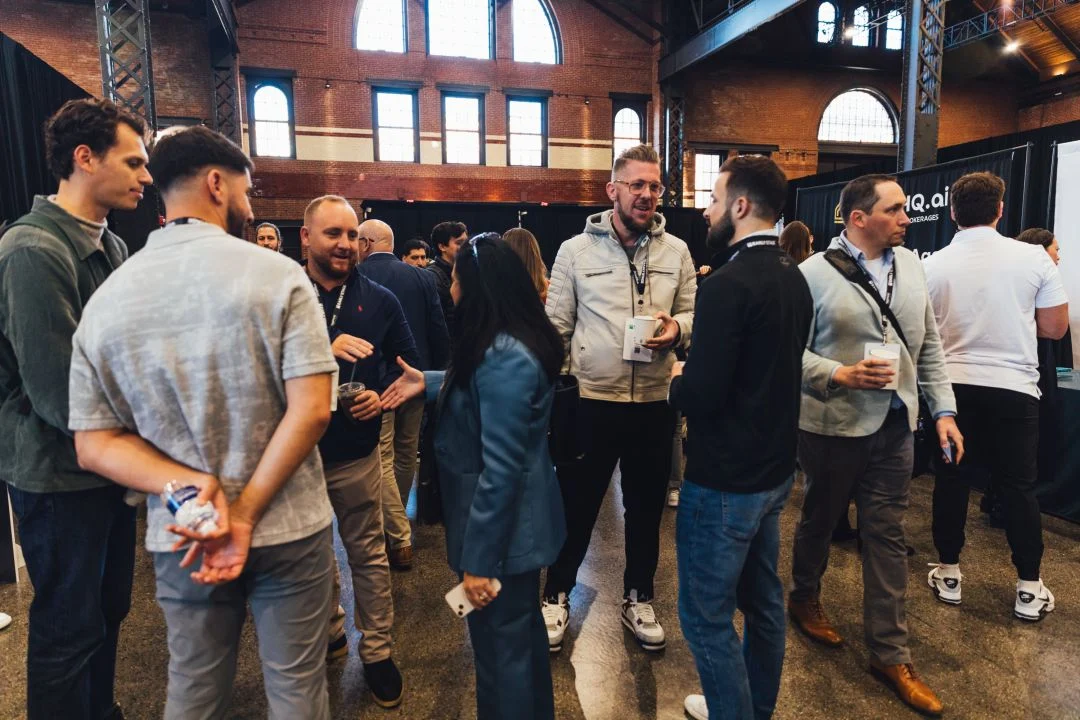
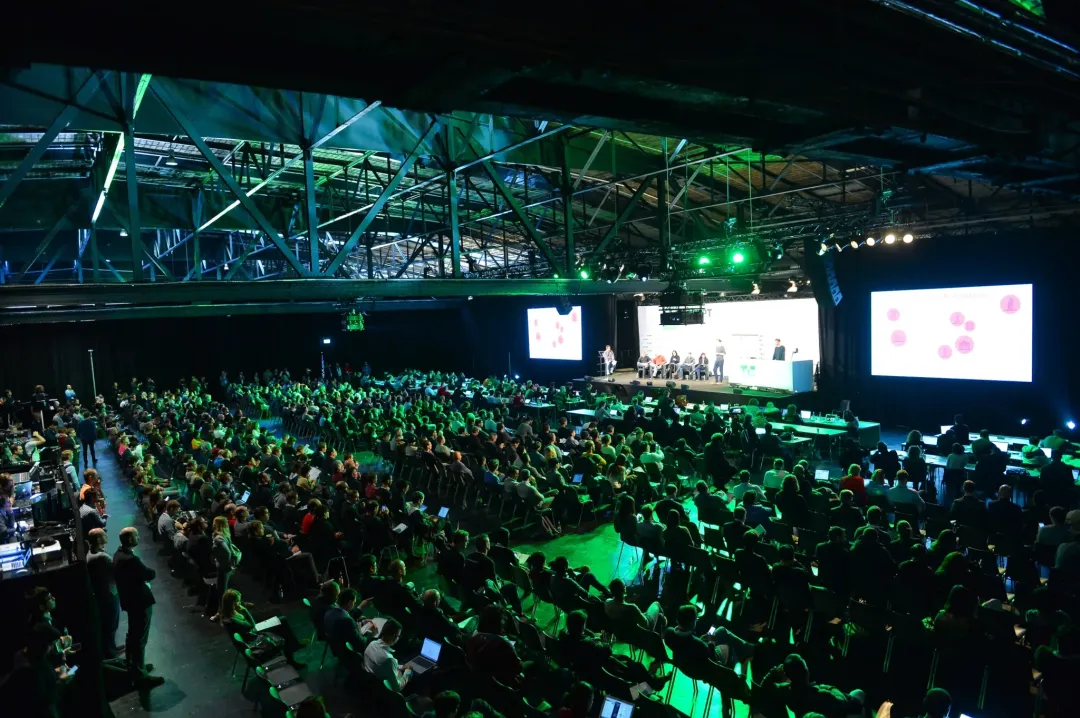
The TechCrunch Founder Summit 2026 is set to transform the historic SoWa Power Station in Boston into a premier hub for entrepreneurial innovation on November 4, 2026. This intensive, one-day event is strategically designed to provide founders and investors with a high-density environment for practical learning, candid peer-to-peer conversations, and live capital-raising opportunities. As the venture capital landscape continues to evolve in the mid-2020s, the summit serves as a critical touchpoint for early-stage and growth-stage leaders seeking to navigate a market that increasingly rewards operational efficiency and sustainable scaling over the "growth at all costs" mentality of previous cycles. By combining the rigorous editorial standards of TechCrunch with the vibrant, tech-heavy ecosystem of Boston, the summit aims to equip the next generation of industry disruptors with the tactical tools necessary to survive and thrive in a competitive global economy.
A Chronological Approach to Founder Education
The architecture of the TechCrunch Founder Summit 2026 reflects a deep understanding of the founder’s journey, moving from the granular mechanics of company creation to the complex challenges of institutional scaling. The day is divided into distinct thematic tracks, allowing attendees to tailor their experience based on their current stage of development.
The morning begins with a focus on the "Build Stage," where the curriculum is centered on the immediate decisions founders face during the formative months of their ventures. These sessions are designed to be "tactical bootcamps," focusing on the infrastructure of a startup—fundraising, team assembly, and initial distribution. Following the midday sessions, the focus shifts toward the "Impact Stage," which addresses the long-term strategic concerns of founders who have achieved initial traction and are now looking toward product-market fit, enterprise expansion, and leadership development. The day concludes with a series of highly interactive pitch competitions and a networking reception, ensuring that the theoretical lessons of the morning are grounded in the practical realities of the afternoon.

The Build Stage: Navigating the Mechanics of Early Growth
The Build Stage serves as the foundation of the summit, featuring a roster of speakers who are deeply embedded in the current venture and operational landscape. One of the primary focal points of this stage is the shifting nature of competitive advantage. Hunter Worland of NEA is slated to lead a critical discussion on why distribution is becoming the defining factor for startup success in 2026. In an era where technological barriers to entry are lower than ever due to advancements in generative AI and automated infrastructure, Worland argues that the ability to reach and retain customers is often more valuable than the underlying code itself.
Complementing this focus on distribution is a deep dive into the 2026 fundraising environment led by Kristen Craft of Fidelity Private Shares. Following the volatility of the mid-2020s, founders are operating in a "new normal" for capital acquisition. Craft’s session is expected to provide data-driven insights into how venture debt, seed-stage valuations, and investor expectations have shifted, offering a roadmap for founders preparing for their next round of financing.
Tactical sessions on the Build Stage also include a masterclass in storytelling and investor relations. Dave Balter of True Ventures and Edisyl will address the psychological and structural elements of the startup pitch. His session, "Does your pitch earn the next conversation?" moves away from the aesthetics of slide decks and focuses instead on the narrative arc and the "proof points" that institutional investors require in a high-interest-rate environment.
The Impact Stage: Strategic Scaling and the Boston Playbook
While the Build Stage focuses on momentum, the Impact Stage is dedicated to the challenges that arise once a company begins to experience significant growth. This track is anchored by Steve Fredette, the president and co-founder of Toast. As one of Boston’s most successful "unicorn" stories, Toast provides a template for scaling a complex, hardware-and-software integrated business in a competitive vertical. Fredette’s presence underscores the summit’s commitment to providing localized, high-impact mentorship.

Rudina Seseri, founder and managing partner of Glasswing Ventures, will address one of the most difficult transitions for any founder: the shift from "builder" to "CEO." Her session explores the tension between rapid expansion and the necessity of hitting the brakes to protect the core business. This is a particularly relevant topic in 2026, as founders are increasingly held accountable for unit economics and long-term profitability early in their lifecycle.
The concept of "Product-Market Fit before Scale" will be analyzed by Kent Bennett of Bessemer Venture Partners. Bennett’s analysis is expected to challenge the traditional "blitzscaling" model, providing founders with a framework to determine if their growth signals are genuine or merely the result of temporary market fluctuations. Additionally, Chase Garbarino, CEO of HqO, will present the "Boston Founder Playbook," a strategic session on how to build ambitious, world-class companies outside the traditional Silicon Valley ecosystem, leveraging the unique talent pools of the East Coast.
Interactive Learning and the "So You Think You Can Pitch?" Competition
Recognizing that passive listening is rarely enough to internalize complex business strategies, the TechCrunch Founder Summit 2026 emphasizes active participation. The "Roundtable" sessions are designed to facilitate small-group problem-solving. These sessions cover highly specific verticals and technical challenges, such as:
- Vertical Entry: Chirag Shah of Define Ventures will lead a session on entering highly regulated or "difficult" verticals, such as healthcare and fintech.
- AI Implementation: Shishir Tewari of Procore Technologies will move the AI conversation beyond the hype, focusing on the technical reduction of "hallucinations" through better enterprise context and RAG (Retrieval-Augmented Generation) architectures.
- Enterprise Sales: Merve Kitapci of ADIN.AI will provide a blueprint for landing global enterprise customers prior to a Series A raise.
- Novel Markets: Andy Tang of Draper Associates will discuss the unique hurdles of building in "category-less" markets where consumer demand has not yet been codified.
- Lean Operations: Linden Tibbets of IFTTT will explore how AI is redefining team sizes, allowing smaller, high-output teams to compete with legacy incumbents.
A highlight of the afternoon is the "So You Think You Can Pitch?" competition. Founders will have the opportunity to present their businesses to a panel of seasoned investors, including Dave Balter, Chirag Shah, and Simran Suri of Maveron. This live testing ground provides attendees with a rare "behind-the-curtain" look at how investors critique a business model in real-time, highlighting what captures attention and what causes a deal to stall.

Networking via the Braindate Ecosystem
To facilitate meaningful connections, the summit utilizes the Braindate networking platform. Unlike traditional "speed networking," Braindate allows attendees to schedule one-on-one or small-group discussions based on specific topics of interest. This ensures that the networking experience is intentional and productive. For instance, a founder who just attended a session on product-market fit can immediately find others in the room who are navigating the same challenge, turning the stage content into a collaborative working session.
The day concludes with a closing reception presented by Fidelity Private Shares. This informal gathering is designed to solidify the relationships formed throughout the day, providing a space for founders and investors to discuss the day’s takeaways in a relaxed setting.
Background and Context: Why Boston in 2026?
The decision to host the Founder Summit at the SoWa Power Station in Boston is a strategic one. Historically known as a hub for biotechnology and education, Boston has rapidly expanded its footprint in SaaS, AI, and robotics. With proximity to MIT and Harvard, the city provides a unique concentration of technical talent and institutional capital.
Data from the 2025 venture reports indicates that while total VC volume has stabilized globally, the Boston-Cambridge corridor has seen a 12% year-over-year increase in early-stage deal flow, particularly in "Deep Tech" and climate-tech sectors. By positioning the summit in this environment, TechCrunch is tapping into a community that prioritizes technical rigor and long-term value—qualities that are increasingly defining the 2026 startup landscape.

Analysis of Implications for the 2027 Startup Outlook
The insights generated at the Founder Summit 2026 are expected to ripple through the startup community well into 2027. The emphasis on "distribution as a moat" and "lean scaling" suggests a broader industry shift. As AI tools continue to commoditize the act of building software, the summit’s focus on "Impact" and "Building Enterprise Trust" indicates that the next wave of successful startups will be those that can master the human and strategic elements of business—sales, leadership, and community building.
For investors, the summit provides a litmus test for the health of the early-stage ecosystem. The quality of the pitches and the nature of the questions asked during the roundtables will serve as early indicators of where the smartest capital will flow in the coming fiscal year.
Participation and Registration Details
The TechCrunch Founder Summit 2026 offers various tiers of participation to ensure a diverse cohort of attendees. Current passes grant access to all main stage sessions, the Build and Impact tracks, the roundtable discussions, the Braindate networking lounge, and the Expo Hall. To encourage collaborative growth, TechCrunch is currently offering a "buy one, get one free" promotion for founder passes, allowing co-founders to attend together and maximize their coverage of the event’s concurrent sessions. Group bundles are also available for larger teams or incubator cohorts, providing up to a 30% discount on registration costs.
As the event approaches its November 4 start date, organizers anticipate a full-capacity crowd at the SoWa Power Station. Founders looking to secure their place in the Boston startup community and gain a competitive edge for 2027 are encouraged to register immediately to take advantage of current pricing and session availability.