admin
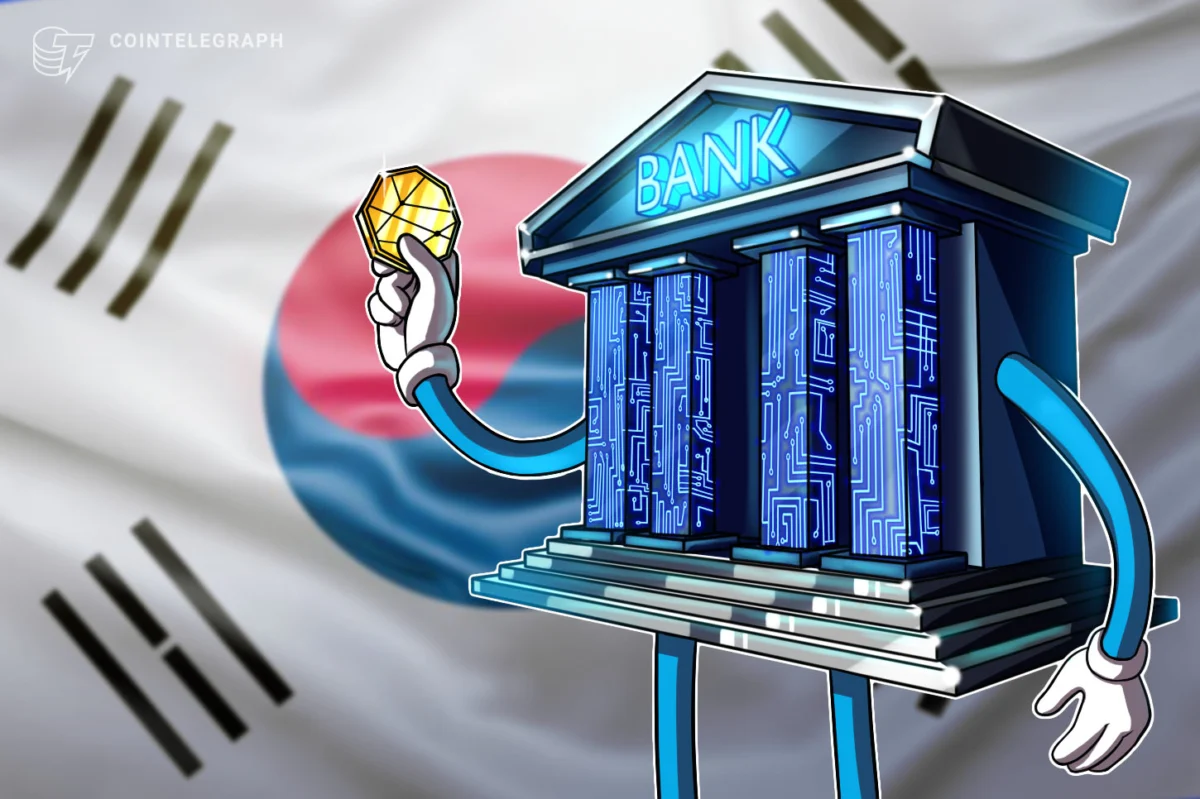
South Korea’s evolving regulatory landscape for digital assets, particularly stablecoins, is poised to reshape the roles of traditional financial institutions and burgeoning fintech companies. A recent report by Tiger Research, an Asia-focused research company, highlights a critical pathway for South Korean fintech companies to assert influence within the proposed bank-led stablecoin consortiums: strategic partnerships. By aligning with partners capable of facilitating the widespread spending of won-denominated tokens, fintech firms can secure a more significant operational footprint and drive business value, potentially overshadowing the sheer volume of stablecoins issued. This nuanced approach suggests that the practical utility and integration into daily economic activity will be paramount to success in this new regulatory environment.
The core of this impending transformation lies in the draft digital assets bill recently unveiled by South Korea’s Financial Services Commission (FSC). On Tuesday, the FSC presented a legislative framework that, in its initial iteration, proposes to limit the issuance of won-denominated stablecoins to consortiums where banks collectively hold a majority stake. While this stipulation grants traditional banks significant control over the stablecoin issuance mechanism, the draft bill concurrently allows for a fintech or technology company to hold a larger stake than any individual bank within these consortiums. This provision creates a strategic opening for innovative tech firms to contribute their expertise in user experience, digital payment infrastructure, and market penetration, even within a bank-dominated structure. Tiger Research’s analysis, published in its Tuesday report, underscores that "Those relationships are likely to matter more to the business than the volume of stablecoins issued," pointing to a future where functional integration and user accessibility dictate market success.
A Decades-Long Regulatory Dialogue and Shifting Stances
The unveiling of the FSC’s draft digital assets bill on Tuesday is not an isolated event but rather the culmination of months, if not years, of intricate regulatory deliberation and often divergent viewpoints among key financial authorities. The debate surrounding stablecoin issuance has been particularly contentious, primarily between the Bank of Korea (BOK) and the Financial Services Commission (FSC).
The Bank of Korea, as the nation’s central bank, has consistently advocated for a bank-led model for stablecoin issuance. Its rationale is firmly rooted in concerns over monetary policy sovereignty and potential financial stability risks. The BOK views stablecoins, particularly those pegged to the Korean won, as potentially impacting the nation’s currency circulation, interest rate management, and overall financial system stability if not managed by institutions under strict prudential regulation. Their stance reflects a global trend among central banks to exert control over digital currencies that could mimic sovereign money, especially in the wake of significant volatility in the broader cryptocurrency market and high-profile stablecoin de-pegging incidents.
Conversely, the Financial Services Commission, typically tasked with fostering financial innovation and overseeing market conduct, had previously leaned towards a more inclusive approach, favoring the allowance of non-bank companies to issue stablecoins. The FSC’s perspective often emphasizes promoting competition, driving technological advancement, and ensuring a vibrant fintech ecosystem. This divergence highlights a fundamental tension in financial regulation: balancing the imperative for stability and control with the desire for innovation and market efficiency. The draft bill’s current form, which mandates bank-majority consortiums, represents a significant shift towards the BOK’s preferred model, suggesting a compromise or a definitive decision by policymakers to prioritize stability in the initial phase of stablecoin adoption. This regulatory journey reflects the challenges faced by governments worldwide in integrating nascent digital financial instruments into established financial systems while mitigating systemic risks.
Navigating Consortium Structures: The 15% Banking Act Limit and Practical Implications
The proposed consortium model, while offering a framework for bank-fintech collaboration, introduces specific complexities, particularly concerning existing financial legislation. A critical aspect highlighted by Tiger Research is the potential application of the Banking Act’s 15% limit on a bank’s stake in a nonfinancial company. If this limitation is extended to stablecoin issuers, it would have profound structural implications for the formation of these consortiums.
Under such a scenario, for banks to collectively secure a majority stake (i.e., over 50%) in a stablecoin consortium, a minimum of four banks would need to join forces. Each bank, adhering to the 15% cap, could contribute up to that amount, resulting in a combined maximum of 60% ownership. This necessitates a multi-bank approach, fostering a collaborative environment among traditional financial players. While this could distribute risk and leverage the collective resources of multiple institutions, it also introduces potential complexities in governance, decision-making, and strategic alignment among the participating banks.
Furthermore, this requirement could impact the dynamics of fintech participation. While a fintech company could still hold a larger stake than any individual bank (e.g., a fintech holds 20% while four banks hold 15% each, totaling 60% for banks and 20% for the fintech, leaving 20% for other minor stakeholders or distributed among the consortium members), their overall influence within a multi-bank majority framework might be diluted. It pushes fintechs to focus less on outright ownership control and more on the value they bring through technological contributions, market access, and user engagement, reinforcing Tiger Research’s point about the importance of partnerships over mere issuance volume. This structural constraint forces a collaborative, rather than competitive, dynamic between banks and fintechs in the initial stages of South Korea’s stablecoin ecosystem.
Beyond Domestic Issuance: Capturing Wider Economic Activity
The opportunities presented by stablecoins in South Korea extend far beyond the immediate domestic issuance framework. Vincent Chok, founder and CEO of First Digital, whose subsidiary issues the FDUSD stablecoin, offered a broader perspective, emphasizing the critical role of bank-majority consortiums in establishing credibility. Chok noted that such structures could imbue won-denominated stablecoins with a high degree of trust and regulatory assurance right from their launch, a crucial factor for widespread adoption in a market where financial stability is paramount. Simultaneously, he stressed that robust fintech participation is essential to preserve the innovative spirit that drives the digital asset space, ensuring that stablecoins are not merely replicas of traditional financial instruments but rather tools for enhanced efficiency and new services.
Chok further elaborated on a crucial element for South Korea’s long-term success in the stablecoin arena: "Beyond who issues, Korea’s ability to capture the wider economic activity around stablecoins will rest on efficient on- and off-ramps and rails connecting KRW with global dollar liquidity." This statement underscores that the true economic potential of stablecoins lies in their seamless integration with both the domestic financial system and international markets. Efficient "on-ramps" (converting fiat KRW to stablecoins) and "off-ramps" (converting stablecoins back to fiat KRW) are vital for user convenience and liquidity. Moreover, establishing robust "rails" that connect KRW-denominated stablecoins with global dollar liquidity is key to facilitating cross-border payments, remittances, and international trade, positioning South Korea as a significant player in the global digital economy. Without these fundamental infrastructures, the utility of won-denominated stablecoins would be severely limited, constraining their potential to drive broader economic benefits.
Pioneering Initiatives: Case Studies from Korean Financial and Technology Giants
Even as the regulatory framework is being finalized, South Korean financial and technology companies have proactively begun exploring the immense potential of stablecoins, showcasing the practical applications and strategic partnerships that will likely define the future landscape. These early initiatives provide concrete examples of how traditional finance and innovative tech can converge to drive digital asset adoption.
In May, KB Financial Group, one of South Korea’s largest financial conglomerates, successfully completed a significant pilot program involving a won-denominated stablecoin. This pilot focused on two critical areas: merchant payments and cross-border remittances. The successful execution of such a pilot by a major banking group demonstrates the banking sector’s readiness and capability to integrate stablecoin technology into its existing services. For merchant payments, stablecoins could offer faster settlement times and potentially lower transaction costs compared to traditional payment rails. In cross-border remittances, stablecoins hold the promise of significantly reducing transfer times and fees, addressing a long-standing pain point for individuals and businesses engaging in international transactions. This initiative by KB Financial Group highlights the potential for stablecoins to enhance efficiency and reduce friction in everyday financial activities.
Following suit, in July, Viva Republica, the operator of the highly popular Toss payments app, announced a strategic partnership with Optimism and Sunnyside Labs. Toss is a household name in South Korea, boasting millions of users and a comprehensive suite of financial services, from payments and banking to insurance and investment. This partnership aims to test stablecoin-based payments specifically for financial institutions. Optimism, a leading Layer 2 scaling solution for Ethereum, and Sunnyside Labs, a blockchain development firm, bring critical technological expertise to the collaboration. By focusing on institutional payments, Viva Republica is exploring how stablecoins can streamline inter-bank settlements, corporate treasury management, and other wholesale financial transactions. This move by a dominant fintech player underscores the industry’s commitment to leveraging blockchain technology for efficiency gains, not just at the consumer level but also within the complex machinery of institutional finance. These pilot programs collectively illustrate the dual approach of integrating stablecoins into both retail and institutional financial ecosystems, laying the groundwork for a robust and versatile digital won.
The Legislative Journey and Future Outlook
The draft digital assets bill, having been unveiled by the Financial Services Commission, now embarks on a crucial legislative journey through the National Assembly before it can be enacted into law. This multi-stage process is typical for significant legislation in South Korea and involves several key steps. First, the bill will undergo scrutiny and debate within relevant committees of the National Assembly, where lawmakers, experts, and stakeholders can propose amendments and offer their insights. Following committee approval, it will proceed to a plenary session vote by the entire National Assembly. Only upon successful passage in the National Assembly can the bill then move to presidential promulgation, which is the formal act by the President to declare a law.
Tiger Research projects that the legislation is expected to take effect approximately one year after its promulgation. This grace period is crucial for financial institutions and fintech companies to adapt their operations, develop necessary infrastructure, and ensure compliance with the new regulations. However, the journey is far from over even after promulgation. The research company also highlighted that many key details, including precise shareholder requirements for stablecoin consortiums and the operational specifics, remain subject to subsequent enforcement decrees. These decrees, often drafted by relevant ministries or regulatory bodies like the FSC, provide the granular rules and guidelines necessary for the practical implementation of the law. This phased approach allows for flexibility in addressing unforeseen challenges and refining the regulatory framework as the digital asset market evolves. The ongoing development of these enforcement decrees will be closely watched by all stakeholders, as they will ultimately determine the practical contours of South Korea’s stablecoin ecosystem.
Implications for the Korean Digital Asset Ecosystem
The proposed regulatory framework carries significant implications for South Korea’s burgeoning digital asset ecosystem, shaping its trajectory in innovation, competition, and global standing. The bank-led consortium model, while prioritizing financial stability, could present both opportunities and challenges for various stakeholders.
For fintech companies, the mandate for bank-majority consortiums shifts their strategy from direct issuance to strategic partnerships. Their success will hinge on their ability to offer indispensable technological solutions for user interfaces, payment rails, and market distribution. This could foster a collaborative environment, allowing fintechs to scale their innovations by leveraging banks’ extensive customer bases and regulatory compliance expertise. However, it also means potentially reduced autonomy and a greater need to align with the more conservative risk appetites of traditional banks.
Traditional banks, on the other hand, are positioned to become central figures in the stablecoin market. This grants them a new revenue stream and an opportunity to modernize their services by integrating blockchain technology. Their involvement could significantly boost the credibility and adoption of won-denominated stablecoins, mitigating public concerns about stability and security. Nevertheless, banks will need to invest heavily in new technological infrastructure, cybersecurity measures, and talent acquisition to effectively manage stablecoin issuance and operations, moving beyond their traditional banking paradigms.
For consumers and businesses, the introduction of regulated, bank-backed stablecoins could bring enhanced trust, lower transaction costs, and faster settlement times, especially for cross-border payments. The widespread adoption of these digital tokens could streamline various economic activities, from daily purchases to international trade. However, the initial bank-led model might also lead to less competition and potentially higher fees compared to a more open issuance model, at least in the short term.
On a macroeconomic level, the controlled issuance of won-denominated stablecoins could provide the Bank of Korea with a clearer oversight of digital currency circulation, helping to manage monetary policy effectively and mitigate systemic financial risks. It represents a cautious but progressive step towards integrating digital assets into the national economy, positioning South Korea as a thought leader in balancing innovation with regulatory prudence.
Global Parallels and Regulatory Trends
South Korea’s approach to stablecoin regulation mirrors a broader global trend where jurisdictions are grappling with how to integrate these digital assets into existing financial frameworks. The European Union, for instance, has taken a proactive stance with its Markets in Crypto-Assets (MiCA) regulation, which includes comprehensive rules for stablecoins, categorizing them and imposing stringent requirements on issuers regarding capital, governance, and redemption rights. MiCA aims to provide legal certainty and foster a single market for crypto-assets across the EU.
In the United States, discussions around stablecoin regulation are ongoing, with proposals for a federal framework often emphasizing issuer reserves, audit requirements, and potential oversight by banking regulators. The concern in the U.S. also revolves around financial stability and consumer protection, particularly after the collapse of certain algorithmic stablecoins. Japan has also been an early mover, passing legislation that defines stablecoins as digital money and requiring them to be linked to a fiat currency, ensuring full backing, and allowing only licensed banks, trust companies, and fund transfer agents to issue them.
These international precedents highlight a growing consensus among major economies: stablecoins, due to their potential to bridge traditional finance and the digital economy, require robust regulation. The common threads include ensuring adequate reserves, clear redemption mechanisms, stringent oversight of issuers, and addressing systemic risks. South Korea’s decision to lean towards a bank-led consortium model aligns with this global push for stability and prudential oversight, even as it seeks to harness the innovative potential offered by fintech partnerships. The nation’s journey will undoubtedly contribute valuable insights to the ongoing international dialogue on digital asset governance.
The journey ahead for South Korea’s digital asset ecosystem, particularly concerning stablecoins, is multifaceted and dynamic. The draft bill, with its emphasis on bank-led consortiums and the strategic importance of fintech partnerships, marks a pivotal moment. It represents a cautious yet forward-looking approach to integrating digital assets into the nation’s financial fabric, prioritizing stability and consumer protection while attempting to foster innovation. The successful implementation of this framework will depend not only on the legislative process but also on the collaborative spirit between traditional banks and agile fintechs, ensuring that won-denominated stablecoins can achieve both widespread credibility and practical utility within South Korea and across global financial markets. The coming months will be crucial in defining the precise operational details and ultimately, the impact of this transformative legislation on the future of finance in South Korea.